
Rutile Titanium Dioxide (TiO₂) is recognized as the most effective whitening agent in modern industry. Widely used in water-based coatings, engineering plastics, and high-durability formulations, Rutile TiO₂ is a critical component for products requiring superior performance. This article by TLD Vietnam examines the properties and practical applications of Rutile TiO₂ in manufacturing.
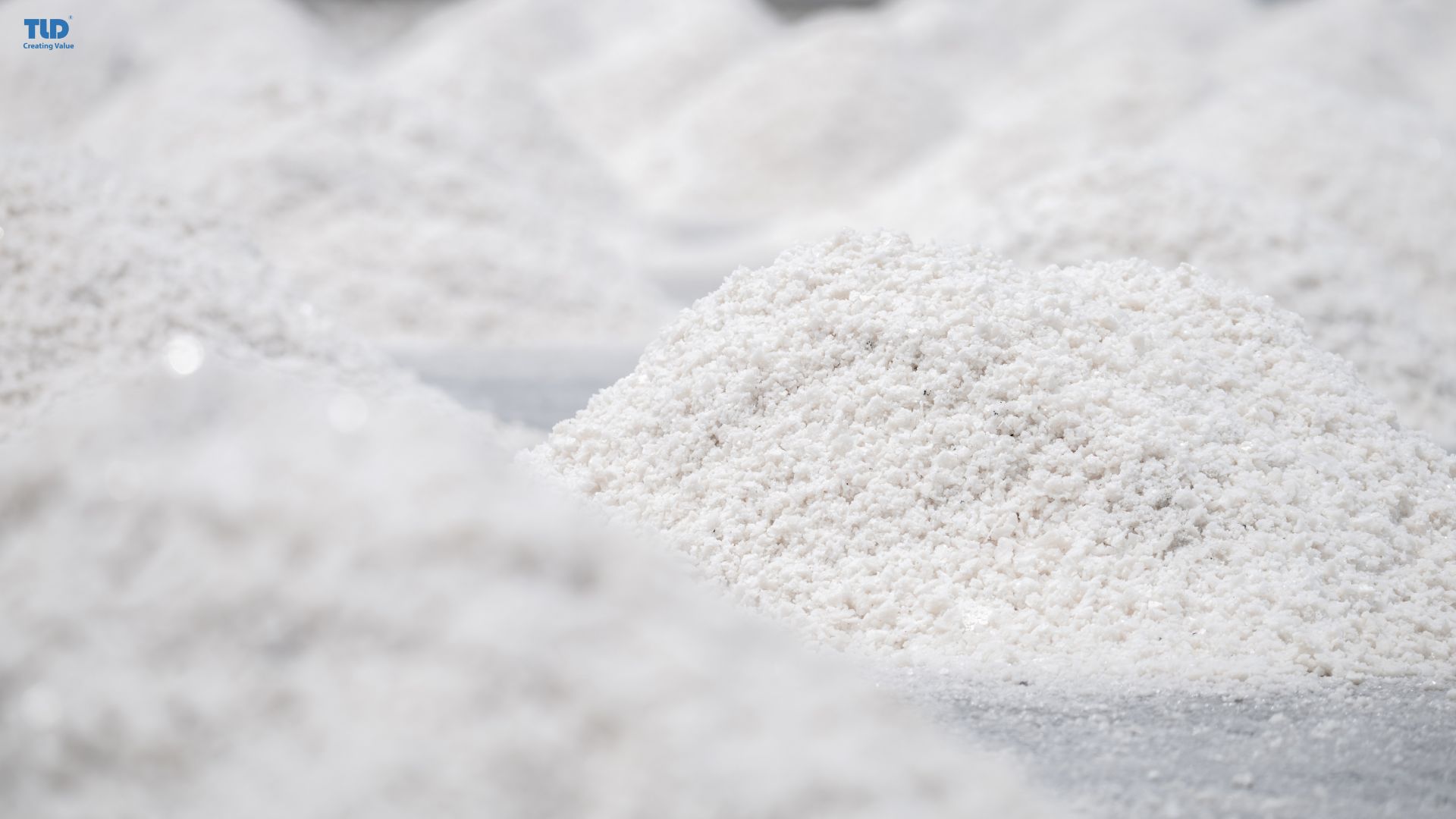
What Is Rutile TiO₂?
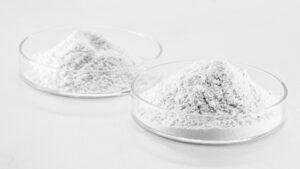
Rutile TiO₂ is a crystalline form of TiO₂ widely used as a white pigment in modern manufacturing. Its high refractive index enables strong light scattering, allowing manufacturers to achieve excellent opacity and brightness in many industrial materials.
Compared with other crystalline forms of TiO₂, rutile offers superior stability and durability. These characteristics make it particularly suitable for applications that require long-term color consistency and resistance to environmental exposure.
Modern Rutile TiO₂ is often coated with metal oxides such as ZrO₂ (zirconium dioxide), Al₂O₃ (aluminum oxide), or silane. These coatings enhance dispersibility, prevent color bleeding, and minimize unwanted reactions with other pigments. As a result, this material delivers not only brilliant whiteness but also long-lasting performance in finished products.
Crystal Structure And Properties Of TiO₂
The performance of TiO₂ is closely related to its crystal structure. Among its naturally occurring forms, rutile, anatase, and brookite, the rutile structure is considered the most thermodynamically stable.
In the rutile crystal lattice, titanium atoms are surrounded by oxygen atoms in a tightly packed arrangement. This structure gives Rutile TiO₂ a higher density and greater stability compared with other forms of TiO₂. As a result, rutile pigments exhibit enhanced resistance to heat, light, and chemical exposure.
One of the most notable characteristics is its high refractive index, which is among the highest of any commercially available white pigment. This property enables the material to scatter visible light very efficiently, producing excellent opacity and brightness even at relatively low concentrations.
These structural and optical advantages explain why Rutile TiO₂ has become the dominant form of TiO₂ used in industrial applications requiring consistent color performance and long-term material stability.
Rutile Vs Anatase: Key Differences In TiO₂ Forms
Although both rutile and anatase belong to the same chemical compound, TiO₂, their structural differences lead to distinct performance characteristics.
Rutile TiO₂ is known for its superior durability and weather resistance, making it the preferred option for applications exposed to sunlight, moisture, or harsh environmental conditions. In contrast, anatase TiO₂ generally exhibits lower density and slightly lower refractive index, which can result in reduced opacity and long-term stability.
Another important distinction lies in photochemical activity. Anatase tends to be more photoactive, which can be advantageous in certain specialized applications but may also accelerate degradation in materials such as plastics or coatings. Rutile TiO₂, on the other hand, offers improved stability under UV exposure, helping maintain product color and performance over time.
For this reason, the pigment is widely selected for demanding industrial applications, including coatings, polymer compounds, and high-performance materials where durability and consistent visual quality are essential.
Key Properties That Make Rutile TiO₂ The Preferred White Pigment
Modern Rutile TiO₂ is often coated with metal oxides such as ZrO₂ (zirconium dioxide), Al₂O₃ (aluminum oxide), or silane. These coatings enhance dispersibility, prevent color bleeding, and minimize unwanted reactions with other pigments. As a result, Rutile TiO₂ delivers not only brilliant whiteness but also long-lasting performance in finished products.
Superior opacity and light-scattering capabilities
This pigment boasts a refractive index of 2.7, enabling strong and uniform light scattering. This property enhances opacity, allowing manufacturers to use less pigment while achieving excellent coverage. Its robust light reflection also produces a deep, vibrant whiteness, even on dark substrates, ensuring a consistent and glossy finish.
Rutile minimizes issues like color fading or streaking when combined with organic pigments. Its uniform scattering maintains color stability and reduces uneven layering, which is critical for high-end paint systems or products requiring precise color accuracy.
High UV stability and weather resistance
Rutile TiO₂ outperforms other whitening agents in UV resistance, making it ideal for paint applications. It prevents film degradation, chalking, and color loss, even under prolonged exposure to sunlight. In climates like Vietnam’s, with high humidity and heat, rutile ensures long-term durability for outdoor products.
Beyond UV resistance, rutile is stable in mildly alkaline environments and minimally affected by additives. This makes it suitable for water-based paints, PVC plastics, or products exposed to mild corrosive conditions. Its stability contributes to extended product lifespan and fewer technical defects.
Surface Treatment
Rutile pigments can be surface-treated to enhance dispersion and compatibility with various materials such as plastics, coatings, and inks. These modifications further optimize performance and processing efficiency in different industrial formulations.
Industrial Applications Of Rutile TiO₂
Paints and Coatings
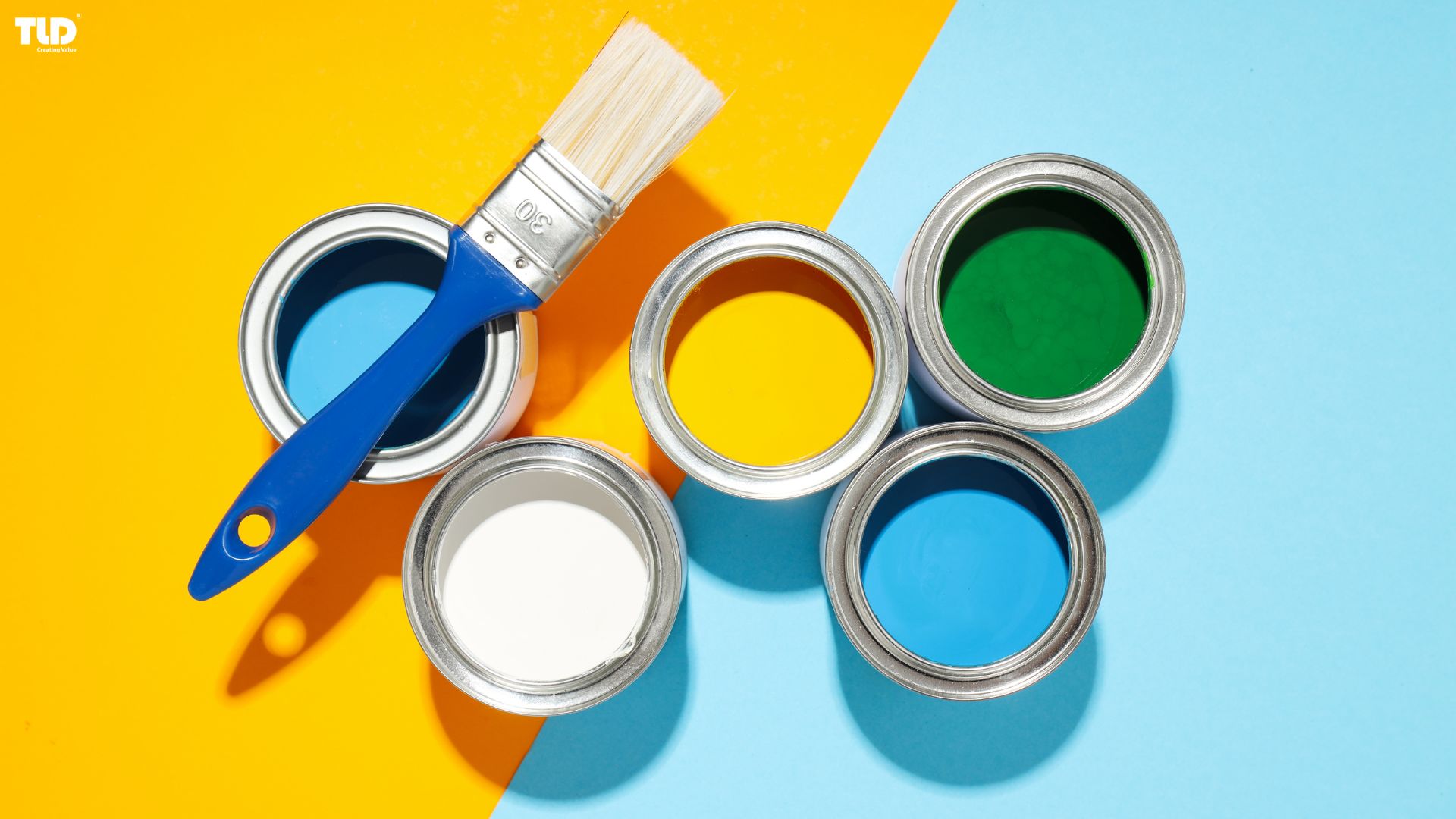
Rutile TiO₂ is extensively used in architectural and industrial coatings to provide superior whiteness, opacity, and weather resistance. The high refractive index allows coatings to achieve strong hiding power, while UV stability helps maintain long-term color durability and surface protection.
Plastics and Masterbatch
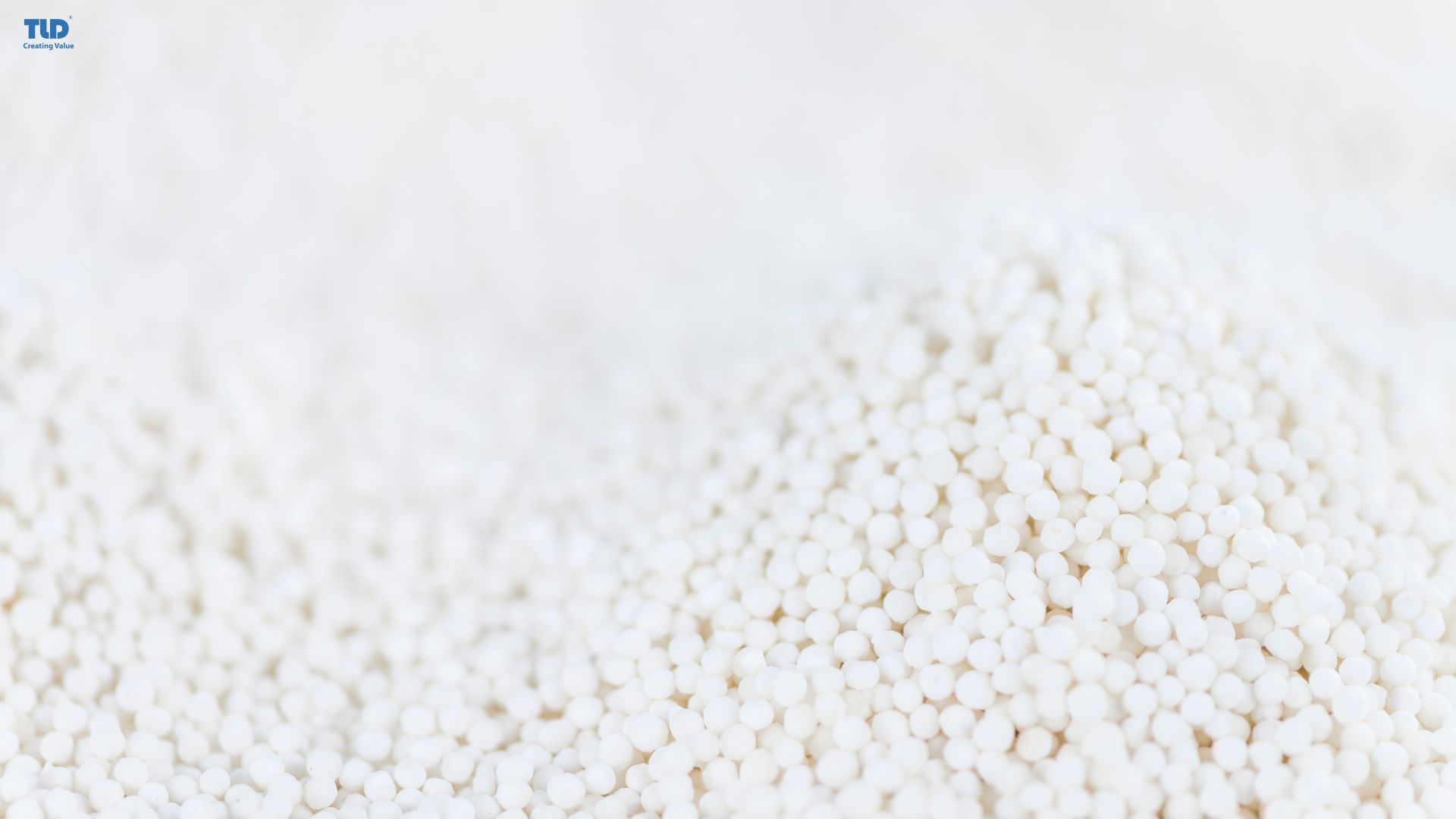
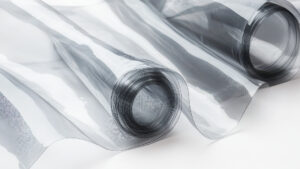
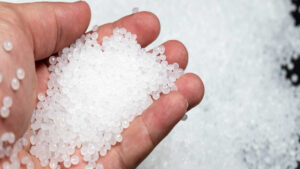
In polymer applications, TiO₂ is used in plastics and masterbatch formulations to enhance brightness, opacity, and UV protection. It is commonly used in materials such as PVC, PE, and PP, helping improve product appearance while supporting long-term stability in outdoor environments.
Paper Industry
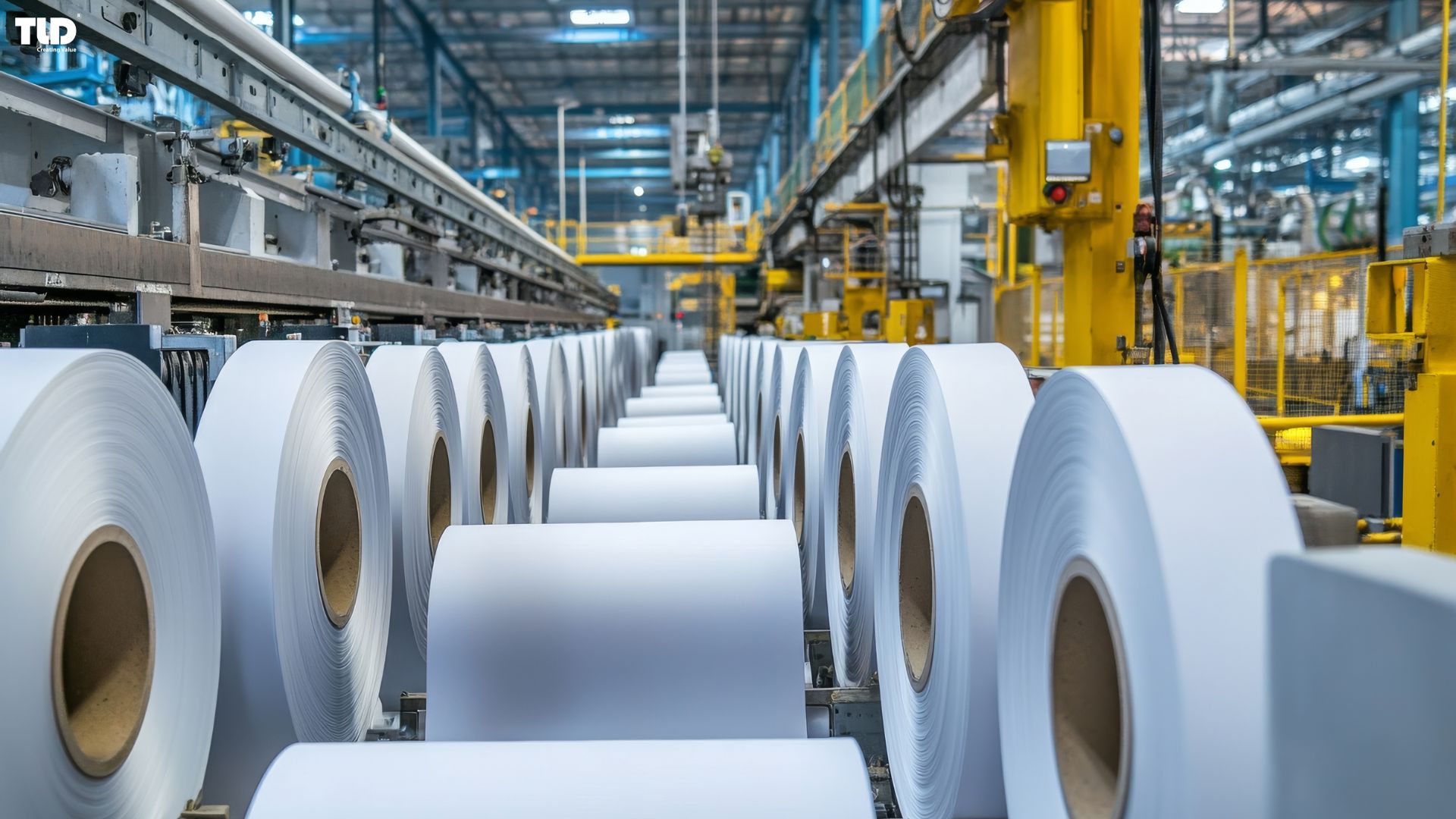
In the paper sector, Rutile TiO₂ is used to improve paper brightness, opacity, and printability. Increasing light scattering within the paper structure, it enhances visual quality and supports high-quality printing results.
Rubber
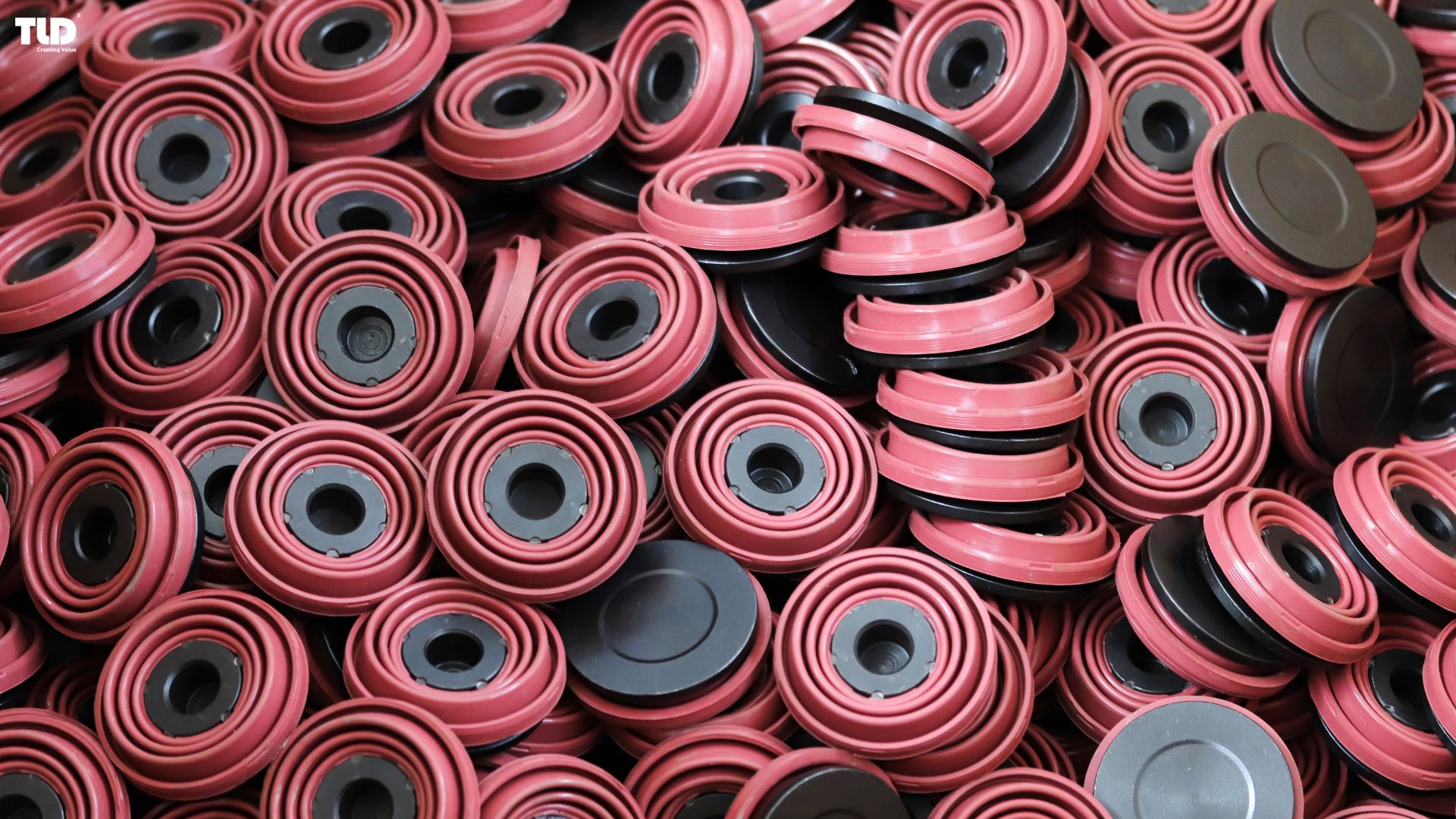
Rutile TiO₂ is also used in rubber products to provide consistent color performance and improved durability. In these applications, it contributes to better pigment dispersion and stable color properties during processing and end use.
Factors To Consider When Selecting Rutile TiO₂ For Industrial Use
Selecting the right grade of this pigment is essential to ensure optimal performance in industrial formulations. Manufacturers typically evaluate several technical factors depending on the specific application.
Particle size and dispersion
Particle size plays a critical role in determining the opacity and brightness of Rutile TiO₂. Fine and well-dispersed particles improve light scattering and help achieve uniform color distribution in coatings, plastics, and inks.
Surface treatment
Many Rutile TiO₂ pigments are surface-treated with inorganic or organic coatings to enhance dispersion, reduce photoactivity, and improve compatibility with different materials. These treatments can significantly affect processing performance and long-term durability.
Application requirements
Different industries require different performance characteristics. For example, coatings may prioritize weather resistance and gloss retention, while plastics may require strong UV stability and thermal processing performance.
Cost and performance balance
Manufacturers must also balance cost with technical performance. Selecting a Rutile TiO₂ grade that provides the required opacity and durability while maintaining formulation efficiency is an important consideration in large-scale production.
Global Market Trends
The global demand for Rutile TiO₂ continues to grow, driven by expanding applications in construction, plastics manufacturing, and industrial coatings. As infrastructure development and urbanization accelerate in many regions, the need for high-performance pigments remains strong.
In addition, the plastics and packaging sectors are increasing their use of Rutile TiO₂ to improve product appearance and UV protection. This trend is particularly evident in outdoor plastic products, where long-term durability is essential.
Sustainability is also becoming an important factor in the TiO₂ market. Manufacturers are focusing on improving production efficiency, reducing environmental impact, and developing grades that support more sustainable material formulations.
As industries continue to demand materials with improved durability, visual quality, and processing performance, Rutile TiO₂ is expected to remain a key pigment in modern manufacturing.
Conclusion
This pigment is a high-performance whitening agent critical for achieving superior quality in paints, plastics, and inks. Its exceptional opacity, UV stability, and versatility make it indispensable for demanding applications. By selecting the right rutile grade and optimizing formulations, manufacturers can achieve both cost efficiency and product excellence.