
The pipe extrusion process is a crucial component in the manufacturing of high-quality plastic pipes used in various infrastructure projects, including water and gas distribution, sewage systems, and irrigation networks. The selection of the right material plays a pivotal role in determining the durability, strength, and performance of the pipes. Choosing the right polymer is not only vital for ensuring the pipe’s ability to withstand environmental stresses but also impacts their overall lifespan and sustainability. In this article, we will explore the key materials used in pipe extrusion, the benefits of each, and the factors that influence their performance. Keep reading blog of TLD Vietnam to discover why material choice is so critical in producing reliable and long-lasting pipes for essential infrastructure projects.

Understanding The Pipe Extrusion Process: From Plastic Pellet To Pipe
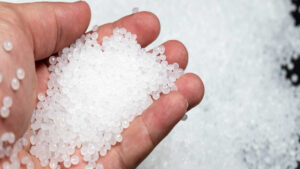
The pipe extrusion process begins by feeding plastic pellets into an extruder. The extruder is a barrel-like machine with a rotating screw that melts the plastic. The molten plastic is then forced through a die, which shapes it into the desired pipe form. Afterward, the pipe is cooled, either through water or air, and cut into lengths for quality inspection.
This process allows for continuous manufacturing, ensuring efficiency and uniformity in the production of pipes. However, the key to producing high-quality pipes lies in selecting the appropriate material, as the polymer used directly affects the pipe’s performance, strength, and longevity.
The Importance Of Polymer Selection In Pipe Quality
The polymer selected for pipe extrusion plays a vital role in determining the final product’s strength, durability, and suitability for specific applications. When choosing a material for pipes, several factors need to be considered:
- Chemical Resistance: Pipes are often exposed to various chemicals, so it is essential to choose a polymer that can resist chemical degradation.
- Temperature Resistance: Different polymers react differently to temperature changes, and selecting a material that maintains its properties under specific operating temperatures is crucial for performance.
- Pressure Resistance: The material must withstand internal and external pressures depending on the application, such as in water or gas distribution systems.
- Longevity and Durability: The chosen polymer should be resistant to wear, UV radiation, and other environmental factors, ensuring the pipe lasts throughout its intended service life.
Types Of Plastics Used In Pipe Extrusion

High-Density Polyethylene (HDPE)
HDPE is widely known for its flexibility, corrosion resistance, and high tensile strength. It is ideal for heavy-duty applications such as gas and water distribution systems. Due to its impact resistance and ability to perform well in underground environments, HDPE is a preferred choice for many infrastructure projects. Moreover, HDPE is environmentally friendly, as it can be recycled, making it a sustainable option for large-scale pipe production.
Polyvinyl Chloride (PVC)
PVC is a rigid and relatively inexpensive material that offers high resistance to chemicals, making it a suitable choice for industrial applications that prioritize chemical resistance, such as in plumbing systems. However, PVC lacks the flexibility of HDPE, which means it is less suitable for environments where pipes need to withstand physical stress or shifting ground. Despite this, its affordability and chemical resistance make it a common choice for residential plumbing and certain industrial applications.
Polyethylene (PE)
PE, particularly HDPE, is preferred for heavy-duty applications due to its toughness, impact resistance, and high tensile strength. These properties make HDPE an excellent choice for transporting water, gas, and wastewater in large infrastructure networks. Additionally, HDPE pipes are highly resistant to cracking and environmental stress, which makes them critical in applications such as irrigation and sewage systems. PE is durable and offers reliable performance in demanding conditions.
Polypropylene (PP)
PP is a more rigid polymer that excels in chemical resistance and heat tolerance. It is ideal for industrial applications, especially for transporting hot fluids or chemicals. PP pipes are known for their long-lasting performance and resistance to stress cracking, making them suitable for systems that must endure high temperatures or exposure to chemicals. The durability and heat resistance of PP ensure its reliability in specialized applications.
Components Of A Pipe Extrusion Line: Focus On Material Processing
The extrusion process itself involves several components that ensure the plastic polymer is shaped into the correct dimensions and properties. Among these, the die head plays a crucial role in defining the pipe’s size and wall thickness. It’s essential to choose a die head that allows for consistent material flow, ensuring uniformity in the final product.
- Cooling Tanks and Calibration: After the polymer passes through the die head, it enters the cooling tanks, where water or air cools the material. This step ensures that the pipe solidifies and maintains its shape. Following cooling, the pipe passes through calibration units, where vacuum pressure ensures that its diameter and thickness meet the specified requirements.
- Downstream Equipment: The downstream equipment includes haul-off units, cutting saws, and belling machines. These units are responsible for pulling the pipe through the extrusion line, cutting it into lengths, and shaping the ends for easy connections.
By understanding the extrusion process and the role of each component, manufacturers can optimize production and ensure the highest quality of pipes.
Common Challenges In Pipe Extrusion And Solutions
Several challenges can affect the quality of pipes during the extrusion process. These include issues related to melting, cooling, and material consistency:
- Melting Process: Maintaining precise control over the temperature of the extruder is critical to ensure uniform melting of the polymer. Inconsistent melting can lead to uneven wall thickness and poor-quality pipes.
- Cooling Process: The cooling rate must be carefully controlled to avoid warping or internal stress in the pipe. Uniform cooling is essential to maintain the shape and strength of the pipe.
- Material Consistency: The quality of the raw material significantly impacts the final product. Using high-quality HDPE or PVC and ensuring that the material is free of impurities is crucial to achieving consistent results.
Advancements In Pipe Extrusion Technology

Recent advancements in pipe extrusion technology have focused on sustainability and efficiency. Multilayer extrusion allows for the use of recycled materials, improving the environmental impact of pipe production while maintaining performance. Innovations in material blending and the addition of UV stabilizers and impact modifiers have further enhanced the durability and flexibility of pipes.
Furthermore, the industry is increasingly emphasizing the use of recycled materials and eco-friendly production methods. By reducing waste and incorporating sustainable practices, manufacturers can contribute to the growing demand for environmentally responsible products.
Conclusion
The future of pipe extrusion lies in the continued development of advanced materials and more efficient production techniques. The choice of polymer will remain a critical factor in ensuring the performance, durability, and environmental impact of pipes. As demand for sustainable practices grows, manufacturers will need to prioritize material selection, incorporating recycled content and innovative additives to meet both industry standards and environmental goals.
By understanding the key properties of materials such as HDPE, PVC, PE, and PP, manufacturers can produce pipes that meet the specific needs of various applications while contributing to a more sustainable future.