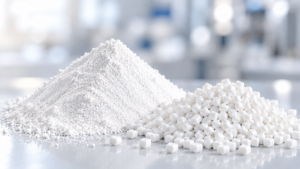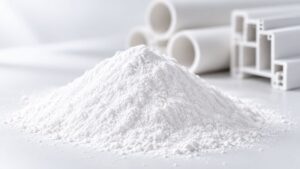

Polystyrene (PS) is one of the most widely used polymers in packaging. From food packaging and consumer goods to protective and insulation solutions, PS offers a flexible material that can be adapted through different grades. Understanding the properties, processing behavior, and limitations is essential for selecting the right solution in modern packaging design and manufacturing. Visit TLD Vietnam blog for more insights on PS and packaging solutions.
What Is PS In Packaging?
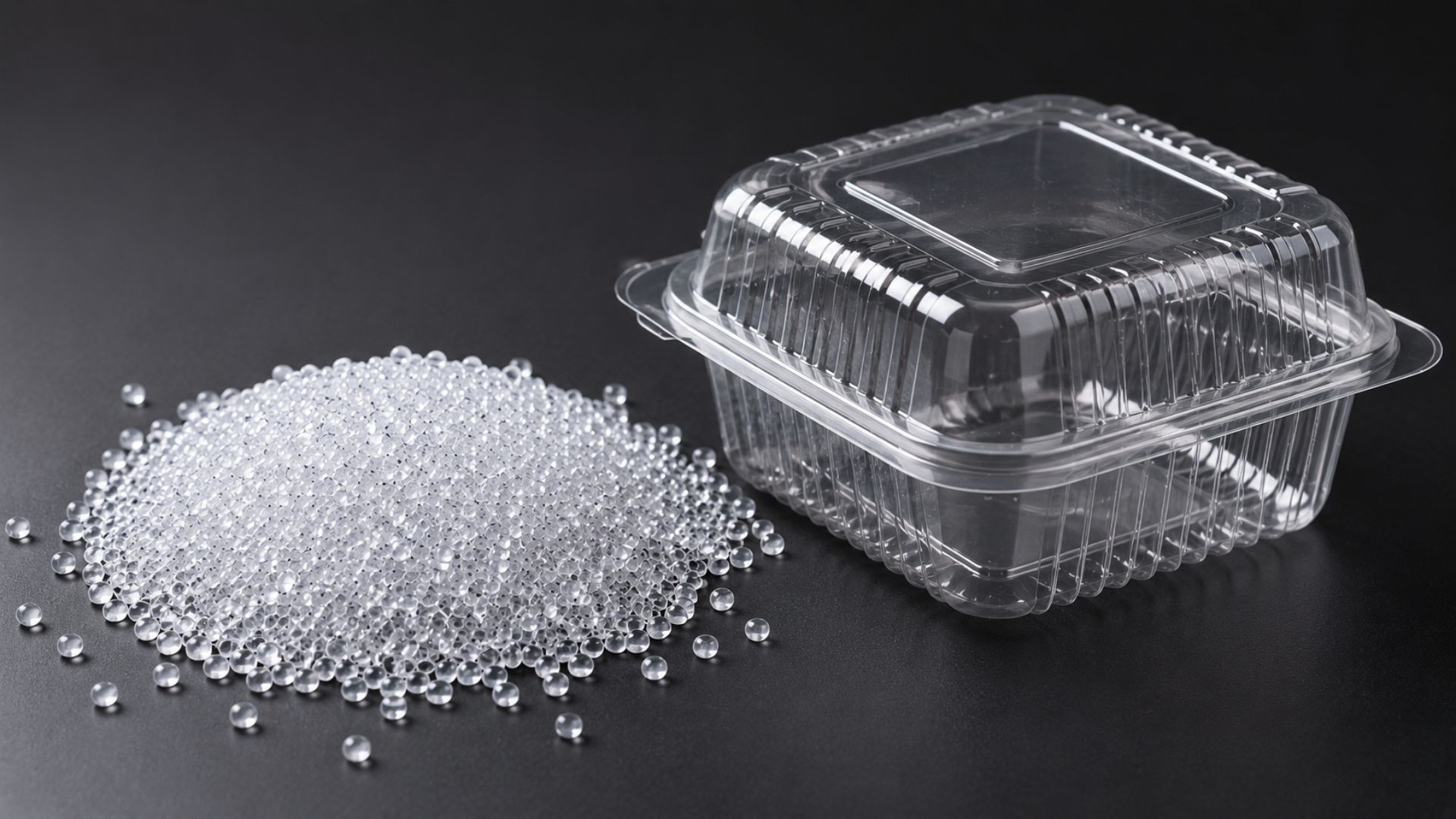
PS in packaging refers to the use of polystyrene as a thermoplastic material for producing rigid, semi-rigid, transparent, opaque, and foamed packaging products. It is a styrenic polymer made from styrene monomer and is widely recognized for its stiffness, clarity, low density, easy processability, and cost efficiency. In the packaging industry, PS is not used as a single universal material. Instead, it appears in several commercial forms, including general-purpose polystyrene (GPPS), high-impact polystyrene (HIPS), expandable polystyrene (EPS), and extruded polystyrene (EXPS) foam. Each type has a different balance of mechanical strength, transparency, toughness, insulation performance, and processing behavior.
From a material science perspective, PS is an amorphous thermoplastic. This means it does not have a crystalline melting point like polypropylene or polyethylene. Instead, it softens over a temperature range and has a glass transition temperature that strongly influences its rigidity and heat resistance. This amorphous structure contributes to the natural transparency of GPPS and the dimensional stability of molded or thermoformed packaging. However, it also explains some limitations of PS, especially brittleness and limited heat resistance compared with some other packaging polymers.
Why Polystyrene Is Widely Used In Packaging Applications
Polystyrene is widely used in packaging due to its balance of processing efficiency, performance, and cost. It is well-suited for high-speed manufacturing, precise molding, and a variety of forming processes, including thermoforming, injection molding, and foaming. GPPS provides clarity and gloss, while HIPS offers improved impact resistance and opaque appearance. EPS and XPS are used for lightweight cushioning and insulation.
Its easy processability and low material cost make PS attractive for high-volume packaging, where efficiency, cycle time, and weight reduction are critical. Despite increasing competition from alternative materials, PS remains relevant in many packaging applications where stiffness, formability, and visual quality are key requirements.
Key Properties Of PS For Packaging
The performance of PS in packaging depends on a combination of physical, mechanical, optical, and processing properties. These properties determine whether PS can meet the functional requirements of a specific packaging product. In many cases, PS is chosen not because it has the highest performance in every category, but because it provides a balanced and predictable performance profile for mass production.
PS offers high rigidity, good dimensional stability, excellent clarity in GPPS grades, low moisture absorption, good surface finish, and relatively easy processing. It can be extruded into sheets, thermoformed into packaging shapes, molded into rigid articles, or expanded into lightweight foam structures. It also has good compatibility with colorants and certain additives, allowing manufacturers to adjust appearance, processing behavior, and end-use properties.
However, PS also has inherent limitations. Unmodified GPPS is brittle and has relatively poor impact resistance. Heat resistance is moderate, so PS is not ideal for applications involving hot filling, microwave heating, or high-temperature sterilization unless the design and grade are carefully selected.
High rigidity and dimensional stability
One of the most important properties of PS in packaging is its high rigidity. Compared with flexible polyolefins such as LDPE or LLDPE, PS provides a much stiffer structure. This is valuable in products such as trays, lids, cups, and display packaging, where the package must hold its shape during filling, handling, transportation, and use.
Dimensional stability is also important. PS can maintain sharp edges, defined corners, and stable geometry after molding or forming. This helps packaging products fit accurately with lids, seals, inserts, or secondary packaging systems. In thermoformed trays, for example, dimensional consistency is essential for automated filling and sealing lines. In injection molded packaging, stable dimensions are required for snap-fit closures, stacking features, and precise assembly.
The rigidity of PS also allows downgauging in certain applications, meaning thinner walls or sheets can sometimes be used while maintaining acceptable stiffness. This can reduce material consumption and improve cost efficiency. However, excessive thickness reduction may increase brittleness or reduce impact performance, especially in GPPS-based packaging. Therefore, rigidity must be balanced with toughness and application safety requirements.
Excellent clarity for transparent packaging
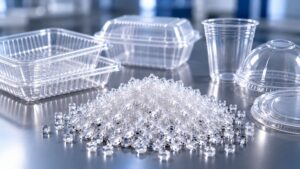
GPPS is known for its excellent transparency and gloss. Because PS is amorphous, it can transmit light effectively when properly processed. This makes GPPS suitable for transparent packaging where consumers or users need to see the packaged product clearly. Examples include clear lids, display boxes, cosmetic packaging, confectionery containers, laboratory containers, and certain food packaging components.
Clarity is not only a visual property but also a commercial and functional advantage. Transparent packaging can improve product presentation, support quality inspection, and reduce the need to open the package before purchase or use. In food and consumer goods packaging, visibility can influence perceived freshness, cleanliness, and product value.
However, clarity can be affected by grade selection, processing temperature, cooling rate, contamination, internal stress, and surface defects. Poor processing conditions may lead to haze, flow marks, bubbles, or uneven gloss. In addition, when impact resistance is required, HIPS may be used instead of GPPS, but HIPS is opaque because it contains rubber particles dispersed in the PS matrix. Therefore, packaging designers must decide whether optical clarity or impact resistance is the priority.
Lightweight structure and easy processing
PS has a relatively low density compared with many rigid materials, and its foam forms are especially lightweight. This makes it attractive for packaging products where weight reduction is important for transportation, handling, and material efficiency. EPS and XPS are particularly effective in protective packaging and insulation because they contain a high volume of air within a polymer structure.
Ease of processing is another major advantage. PS generally has good flow properties and can be processed using standard plastics equipment. It can be extruded into sheet, thermoformed into packaging articles, injection molded into rigid products, and expanded or foamed into lightweight structures. This processing flexibility supports a wide range of packaging formats.
In thermoforming, PS sheet heats quickly and forms well, allowing efficient production cycles. In injection molding, PS can produce parts with good dimensional precision and surface appearance. In foam processing, EPS beads can be expanded and molded into protective shapes, while XPS can be extruded into foam boards or sheets with controlled cell structure.
Common Types Of PS Used In Packaging
Different grades of PS in packaging are available because each type is designed to solve different technical challenges. The main commercial categories are GPPS, HIPS, EPS, and XPS. Understanding these materials is essential for selecting the right PS grade for a specific packaging application.
GPPS
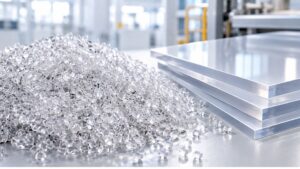
GPPS is the transparent and rigid form of polystyrene. It is valued for clarity, gloss, stiffness, and ease of processing. In packaging, GPPS is commonly used when transparency and appearance are important. It can be used for clear lids, display packaging, rigid containers, laboratory items, and transparent sheets for thermoforming.
The main limitation of GPPS is brittleness. It can crack or break under impact, especially in thin-wall designs or low-temperature conditions. For this reason, GPPS is not ideal for packaging that requires high drop resistance or repeated mechanical stress. In some applications, GPPS may be blended with HIPS or replaced by PET, PP, or other materials if toughness is more important than clarity.
GPPS processing requires careful temperature control to avoid degradation, internal stress, or optical defects. Clean raw material and proper filtration are also important for transparent packaging, because defects are more visible in clear products.
HIPS
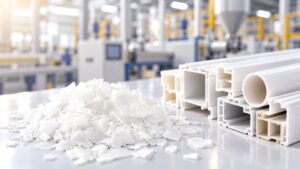
HIPS is produced by modifying polystyrene with rubber, usually polybutadiene. This rubber phase improves impact resistance and reduces brittleness. HIPS is opaque rather than transparent, but it offers better toughness and is widely used in packaging that requires rigidity and impact performance.
In packaging, HIPS is commonly used for food trays, dairy containers, disposable packaging, lids, and thermoformed sheets. It is also used in consumer goods packaging and protective applications where a balance of stiffness and toughness is needed. HIPS has good processability and can be thermoformed efficiently.
The performance of HIPS depends on rubber content, particle size distribution, molecular weight, and formulation. Higher impact grades usually provide better toughness but may have lower stiffness or reduced surface gloss. Therefore, grade selection should consider the balance between impact strength, rigidity, thickness, processing speed, and surface appearance.
EPS
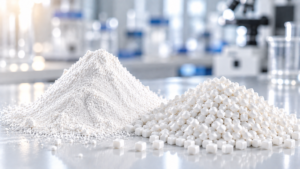
EPS is a foam material made from expandable beads that are pre-expanded and molded into final shapes. It is extremely lightweight and provides excellent cushioning and thermal insulation. In packaging, EPS is used for protective packaging, insulated boxes, appliance packaging, electronics protection, and temperature-sensitive logistics.
EPS works by absorbing impact energy through its cellular foam structure. It can protect fragile products during transportation and handling. Its insulation performance also makes it suitable for packaging seafood, pharmaceuticals, cold-chain goods, and temperature-sensitive food products.
However, EPS has environmental challenges because it is bulky, lightweight, and often difficult to collect economically after use. Although it can be recycled, collection and compaction infrastructure are important. In some markets, EPS packaging faces regulatory restrictions, especially in food service applications.
XPS
XPS is produced through an extrusion foaming process. It has a more continuous and uniform foam structure than many molded EPS products. In packaging, XPS can be used in trays, foam sheets, cushioning materials, and insulation-related applications.
XPS offers low weight, good insulation, and a smooth surface. It can be produced as a foam sheet and then thermoformed into trays or other packaging shapes. It is also used outside packaging in construction insulation, but in packaging contexts, its value comes from lightweight structure, thermal performance, and formability.
Compared with EPS, XPS often has a more uniform surface and controlled thickness. However, like other PS foam products, it faces sustainability and recycling challenges depending on local infrastructure and regulations.
Main Applications Of PS In Packaging
PS in packaging is used across a wide range of packaging segments because it can be converted into rigid, transparent, opaque, and foamed products. In food packaging, PS appears in trays, lids, cups, containers, egg cartons, dairy packaging, and foam boxes, depending on the grade and structure. GPPS may be used when clarity is needed, while HIPS is often used when impact resistance and thermoforming performance are more important. In disposable cups, trays, and containers, PS provides stiffness, clean appearance, and efficient forming, although heat resistance must be considered for hot food or beverage applications.
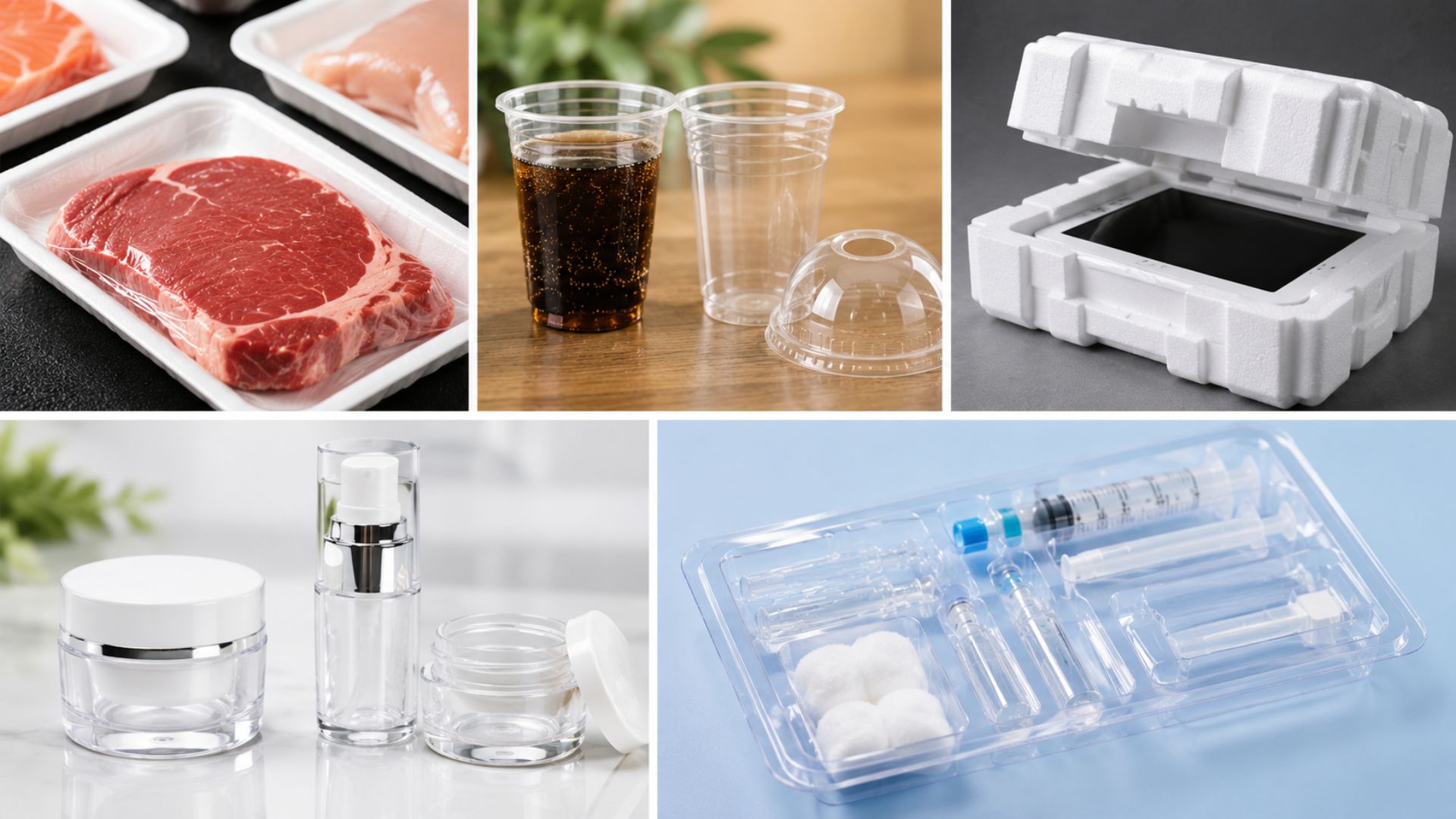
In protective packaging, EPS and XPS are used to cushion electronics, appliances, glassware, and fragile consumer goods during transportation. Their foam structures absorb shock and reduce weight, making them useful for logistics applications. PS is also used in electronics and consumer goods packaging, where molded or thermoformed components can hold products securely and provide good dimensional accuracy. In medical and laboratory packaging, PS may be used for rigid trays, containers, Petri dishes, sample holders, and disposable labware because of its clarity, stiffness, and moldability, provided that the grade meets cleanliness and regulatory requirements for the intended use.
Advantages Of PS In Packaging
The advantages of PS in packaging come from its combination of rigidity, clarity, easy processing, low weight, and cost efficiency. GPPS provides excellent optical clarity, making it useful for display packaging and transparent containers. HIPS provides improved impact resistance while maintaining good stiffness and thermoforming performance. EPS and XPS provide lightweight cushioning and insulation, which are difficult to achieve with solid plastics at the same material weight.
PS also supports high-speed production. It can be extruded, thermoformed, injection molded, and foamed using established technologies. This makes it suitable for large-volume packaging operations where consistency and productivity are essential. Its surface finish is suitable for printing, labeling, and clean visual presentation. In addition, PS has low moisture absorption, which helps maintain dimensional stability in many storage and use conditions.
Another advantage is design flexibility. PS can be made into thin-wall rigid packaging, clear containers, opaque trays, foam inserts, insulation boxes, and molded components. This versatility allows packaging engineers to use different PS grades for different functional needs.
Limitations Of PS In Packaging
Although PS in packaging offers many benefits, manufacturers should also consider its limitations, including brittleness, moderate heat resistance, and sustainability challenges. The most important are brittleness, limited heat resistance, and environmental concerns. These limitations do not eliminate PS from packaging, but they influence where and how it should be used.
Brittleness and impact resistance issues
Unmodified GPPS is brittle and can crack under impact or bending stress. This is a major limitation for packaging products that must survive dropping, squeezing, stacking, or rough transportation. Thin-wall GPPS packaging may be especially vulnerable if design corners are sharp or the wall thickness is insufficient.
HIPS improves impact resistance, but it does not have the same clarity as GPPS. This creates a trade-off between transparency and toughness. Packaging designers often need to choose between GPPS, HIPS, PET, PP, or other materials based on the required balance of optical and mechanical properties.
Impact performance also depends on temperature. Some PS grades become more brittle at low temperatures, which is relevant for refrigerated or frozen packaging. For protective packaging, the foam structure and density must be designed properly to absorb shock without excessive deformation or breakage.
Heat resistance limitations
PS has moderate heat resistance and is not suitable for many high-temperature packaging applications. It can soften or deform when exposed to elevated temperatures, especially near or above its glass transition range. This limits its use in hot-fill packaging, microwaveable containers, and applications requiring sterilization at high temperatures.
For cold or room-temperature packaging, PS can perform well. However, when packaging is exposed to hot food, hot beverages, or heat during transportation and storage, material selection must be carefully evaluated. In these cases, PP, PET, CPET, or other heat-resistant materials may be more suitable.
Processing temperature must also be controlled. Excessive processing heat can cause degradation, discoloration, odor, or reduced mechanical performance. Proper temperature settings, residence time control, and equipment maintenance are important for stable PS packaging production.
Processing Methods For PS Packaging
Manufacturing PS in packaging products typically involves thermoforming, injection molding, extrusion, or foam expansion. Each method has different requirements for grade selection, melt flow, sheet quality, mold design, cooling, and final performance.
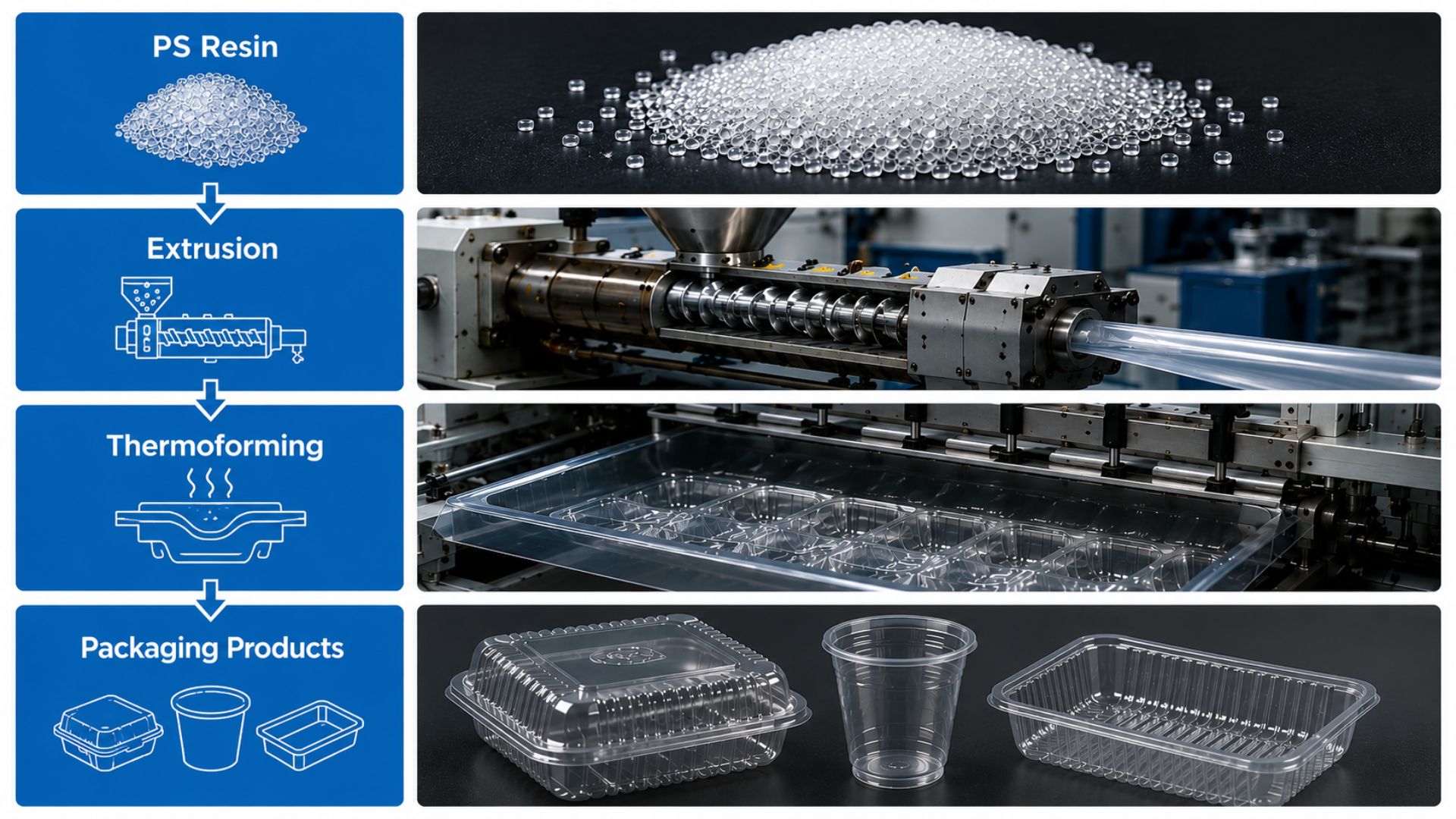
Thermoforming
Thermoforming is widely used for PS packaging because PS sheets form easily and can produce trays, cups, lids, clamshells, and containers at high speed. In this process, the extruded PS sheet is heated until it becomes formable, then shaped using vacuum, pressure, or mechanical assistance.
GPPS is used when transparency is needed, while HIPS is common for opaque trays and containers requiring better impact resistance. Sheet thickness, heating uniformity, forming depth, and cooling rate are critical factors. Poor control can cause uneven wall thickness, warpage, brittleness, or surface defects.
Thermoforming is suitable for large-scale packaging production because it offers high output and efficient material use. Trim scrap can often be reground and reused within controlled limits, depending on quality requirements and contamination control.
Injection molding
Injection molding is used for rigid PS packaging components that require precise shape, detailed features, and consistent dimensions. Examples include caps, closures, cosmetic containers, rigid boxes, laboratory products, and some food packaging components.
PS has good flow characteristics, which help fill complex molds. GPPS can produce clear molded parts, while HIPS can produce tougher opaque parts. Key processing factors include melt temperature, mold temperature, injection speed, packing pressure, and cooling time. Excessive stress can cause cracking or reduced performance, especially in GPPS.
Injection molding is suitable when the packaging design requires dimensional precision, repeatability, and a high-quality surface finish. However, tooling cost is higher than simple thermoforming, so it is typically more economical for high-volume production or higher-value packaging components.
Extrusion
Extrusion is used to produce PS sheet, film-like structures, profiles, and foam materials. For packaging, sheet extrusion is especially important because thermoforming usually begins with an extruded PS or HIPS sheet.
During extrusion, resin is melted, homogenized, filtered, and formed through a die. Sheet thickness control, melt temperature, cooling roll settings, and surface quality are essential. Defects in extruded sheet can carry into thermoformed packaging, so extrusion quality directly affects final product performance.
Extrusion is also used in XPS foam production, where blowing agents create a cellular structure. The foam sheet can then be used directly or thermoformed into packaging products.
Foam expansion
Foam expansion is central to EPS and XPS packaging. In EPS processing, expandable beads are pre-expanded, aged, and molded into shapes using steam. The final product has a lightweight cellular structure that provides cushioning and insulation.
In XPS processing, the polymer is melted with blowing agents and extruded through a die to form a foam sheet or board. Cell size, density, thickness, and surface quality are controlled through formulation and processing conditions.
Foam PS packaging is valuable for protective and thermal applications. However, density selection is important. Low-density foam reduces weight but may provide less strength, while higher-density foam improves protection but uses more material.
How To Choose The Right PS Grade For Packaging Applications
Selecting the right PS grade starts with the packaging requirements. GPPS is suitable for transparent packaging, HIPS for higher impact resistance, while EPS and XPS are preferred for cushioning and insulation. Material selection should also consider mechanical performance, service temperature, and the intended processing method, such as thermoforming, injection molding, or foam production.
For food, medical, and laboratory packaging, compliance with regulatory standards is essential. Manufacturers should also evaluate recyclability, material efficiency, and sustainability goals to ensure the selected PS grade delivers both technical performance and long-term value.
Conclusion
Selecting the right PS grade is essential for achieving the desired balance of product performance, processing efficiency, and production cost. Understanding the characteristics of GPPS, HIPS, EPS, and XPS enables manufacturers to choose the most suitable solution for each packaging application.