
Injection molding manufacturers are under constant pressure to reduce production costs while maintaining part quality, dimensional accuracy, and production efficiency. Besides resin selection and machine settings, the choice of Ground Calcium Carbonate plays a significant role in determining the performance of products.
However, Calcium carbonate for injection molding is not a one-size-fits-all material. Differences in particle size, particle size distribution, purity, surface treatment, whiteness, and moisture content directly influence dispersion, melt flow, shrinkage, and the final properties of molded parts. Selecting the appropriate Calcium carbonate grade requires careful consideration of the resin system, product design, mechanical requirements, appearance standards, and processing conditions. Read on TLD Vietnam blog to learn more about Calcium carbonate for injection molding.
Why Ground Calcium Carbonate Is Used In Injection Molding
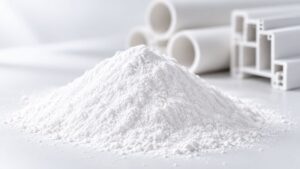
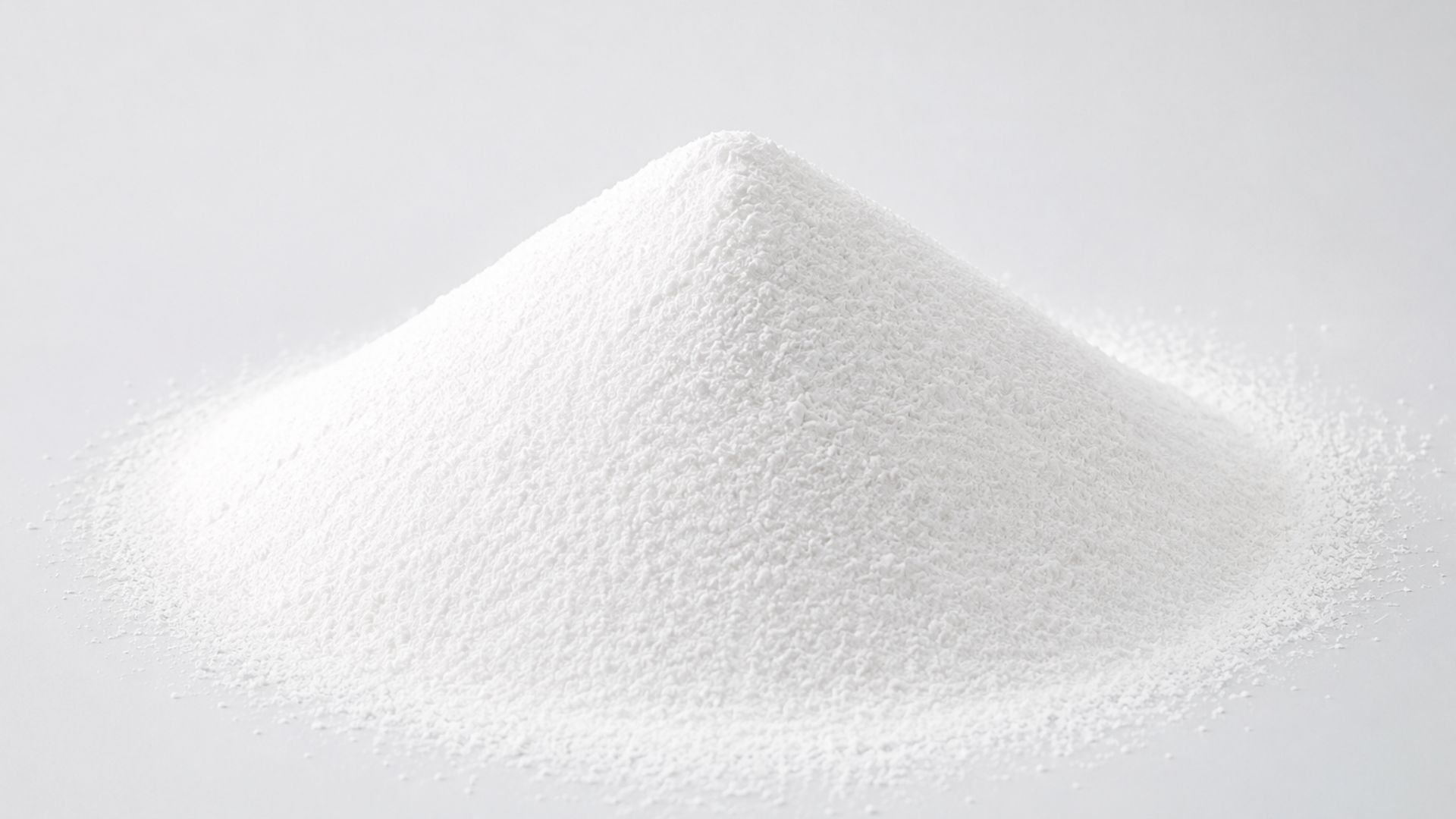
Ground calcium carbonate is produced by crushing, grinding, and classifying naturally occurring limestone, marble, or chalk. Some grades are then surface-treated to improve compatibility with the polymer. The powder is incorporated into a plastic compound before the material is processed by injection molding.
Calcium carbonate for injection molding is commonly used in polypropylene, high-density polyethylene, rigid PVC, and selected styrenic or engineering polymer systems. In polypropylene, it can increase stiffness and reduce molding shrinkage. In HDPE, it may improve dimensional control and reduce compound cost, although excessive loading can lower impact strength. In rigid PVC, Ground calcium carbonate can support stiffness and dimensional consistency when particle size, surface condition, and moisture are controlled.
Mineral particles also have lower thermal expansion than most polymers. Their presence can therefore reduce dimensional variation caused by cooling or changes in service temperature. The benefit depends on uniform filler distribution, stable processing conditions, and an appropriate loading level.
Benefits Of Ground Calcium Carbonate In Injection Molded Plastics
Reduction In Material Cost
Ground calcium carbonate normally has a lower price per kilogram than many polymer resins. Replacing part of the resin with a controlled amount of mineral filler can lower the material cost of a molded product.
The calculation should not be based on price per kilogram alone. Ground calcium carbonate has a higher density than PP, PE, and many other polymers, so a compound may become heavier at the same part volume. The economic evaluation should include compound density, part weight, cycle time, reject rate, and required performance.
Calcium carbonate for injection molding provides a practical cost benefit only when the molded part continues to meet its dimensional, mechanical, and appearance requirements. Excessive loading may increase brittleness, weaken weld lines, or create surface defects that offset the initial saving.
Increased Stiffness
Ground calcium carbonate generally increases the elastic modulus of thermoplastic compounds. The molded part becomes more resistant to bending or deformation under a given load. This is useful for storage products, appliance parts, furniture accessories, rigid packaging, and covers.
The stiffness increase depends on filler loading, particle size, dispersion, resin type, and the quality of the filler-polymer interface. Fine, well-dispersed particles usually create a more uniform response than coarse particles or agglomerates.
Calcium carbonate for injection molding must still be selected according to the required stiffness-impact balance. A formulation designed for a rigid tray can tolerate different properties from a component that is repeatedly dropped, flexed, or struck.
Improved Dimensional Stability
Semi-crystalline polymers such as PP and HDPE contract as they cool and may continue to reorganize after molding. Uneven contraction can create warpage, distortion, or dimensional drift.
Ground calcium carbonate reduces the fraction of polymer in the compound and introduces a mineral phase with relatively low thermal expansion. This can improve dimensional stability, especially in large, flat, or geometrically complex parts.
The effect is strongest when the filler is distributed uniformly and the mold fills symmetrically. Ground calcium carbonate cannot correct poor gate location, unbalanced cooling, or unsuitable wall thickness, but it can reduce the material contribution to dimensional variation.
Reduced Molding Shrinkage
Shrinkage affects final dimensions, mold compensation, sink marks, ejection, and part-to-part consistency. Mineral particles do not contract like the polymer phase during solidification, so Ground calcium carbonate can lower total volumetric shrinkage.
Calcium carbonate for injection molding may help make final dimensions more predictable and reduce warpage. However, actual shrinkage remains dependent on holding pressure, mold temperature, cooling rate, crystallinity, wall thickness, and gate design.
Improved Surface Finish
A fine Ground calcium carbonate grade can support a smooth and uniform surface when it is well dispersed and compatible with the polymer. High whiteness may also help maintain a clean base color in natural, white, or pastel products.
Surface quality is sensitive to oversized particles, agglomerates, moisture, mold temperature, and injection speed. Coarse contamination can create specks, roughness, flow marks, or weak local areas.
Calcium carbonate for injection molding should therefore be assessed by both median particle size and the coarse-particle fraction.
How Ground Calcium Carbonate Properties Affect Injection Molding
Particle Size
Particle size influences dispersion, surface quality, stiffness, impact behavior, and melt viscosity. Finer particles provide greater surface area and can create a more uniform mechanical response when they are properly dispersed.
Very fine Ground calcium carbonate is not automatically superior. Its high surface area can increase filler-filler attraction and energy demand during compounding. If the mixing system cannot break down agglomerates, the expected benefit may be lost.
Calcium carbonate for injection molding should have a particle size compatible with the wall thickness, surface requirement, and compounding capability. Coarser grades may be suitable for thick, non-cosmetic parts, while fine grades are generally preferred for visible or thin-wall components.
Particle Size Distribution
Particle size distribution describes the range of sizes in the powder. A controlled distribution improves consistency, while an uncontrolled coarse fraction may create surface defects and stress concentration.
A combination of fine and larger particles can improve packing efficiency at higher filler loadings. However, the largest particles are often more important to surface performance than the average size.
A useful specification should include more than one value. D50 describes the median particle size, while D97 helps indicate the upper end of the distribution. Both are relevant when comparing Ground calcium carbonate grades for injection molding.
Whiteness
Whiteness is important in visible, natural, white, pastel, and brightly colored products. High-whiteness Ground calcium carbonate can support a cleaner base color, although it does not replace titanium dioxide when strong opacity is required.
Dark, black, hidden, or non-cosmetic parts may not require a high-whiteness grade. The specification should be linked to the final color standard rather than treated as a universal indicator of performance.
Calcium carbonate for injection molding used in visible parts should also have a stable color from batch to batch. Variations in mineral source or trace impurities can change the appearance of the finished component.
Purity
Purity refers mainly to calcium carbonate content and the level of minerals such as silica, iron compounds, magnesium compounds, and clay. High purity supports stable color, predictable processing, and lower risk of abrasive contamination.
Silica-rich impurities can increase equipment wear. Iron-containing impurities can reduce whiteness or alter color. Other contaminants may influence moisture absorption, thermal behavior, or surface quality.
The required purity depends on the application. Precision, visible, and electrical parts normally need tighter control than low-cost, hidden components.
Coated And Uncoated Ground Calcium Carbonate
Ground calcium carbonate may be supplied uncoated or coated, most commonly with stearic acid or a related fatty-acid treatment. Coating reduces the hydrophilic character of the mineral and improves compatibility with non-polar polymers such as PP and PE.
Coated Ground calcium carbonate usually disperses more easily in polyolefins, reduces moisture sensitivity, and can lower filler-filler attraction. Uncoated Ground calcium carbonate may still be appropriate for PVC or other systems, depending on the resin, additive package, and compounding method.
Calcium carbonate for injection molding in PP and HDPE is often surface-treated, particularly at moderate or high loading. The coating level must be controlled. Too little treatment may give poor compatibility, while too much can affect feeding, lubrication, or surface appearance.
Moisture Content
Excess moisture can cause voids, splay marks, bubbles, unstable feeding, and poor surface quality. It may also affect additives or polymers that are sensitive to hydrolysis.
Even when the base resin is not highly hygroscopic, moisture carried by the filler can vaporize at processing temperature. This is particularly important in thin-wall parts and products with strict cosmetic requirements.
Calcium carbonate for injection molding should have low and consistent moisture. Sealed packaging and dry warehouse conditions are necessary because fine powders may absorb moisture after production.
Choosing The Right Ground Calcium Carbonate For Different Injection Molded Products

Household Products
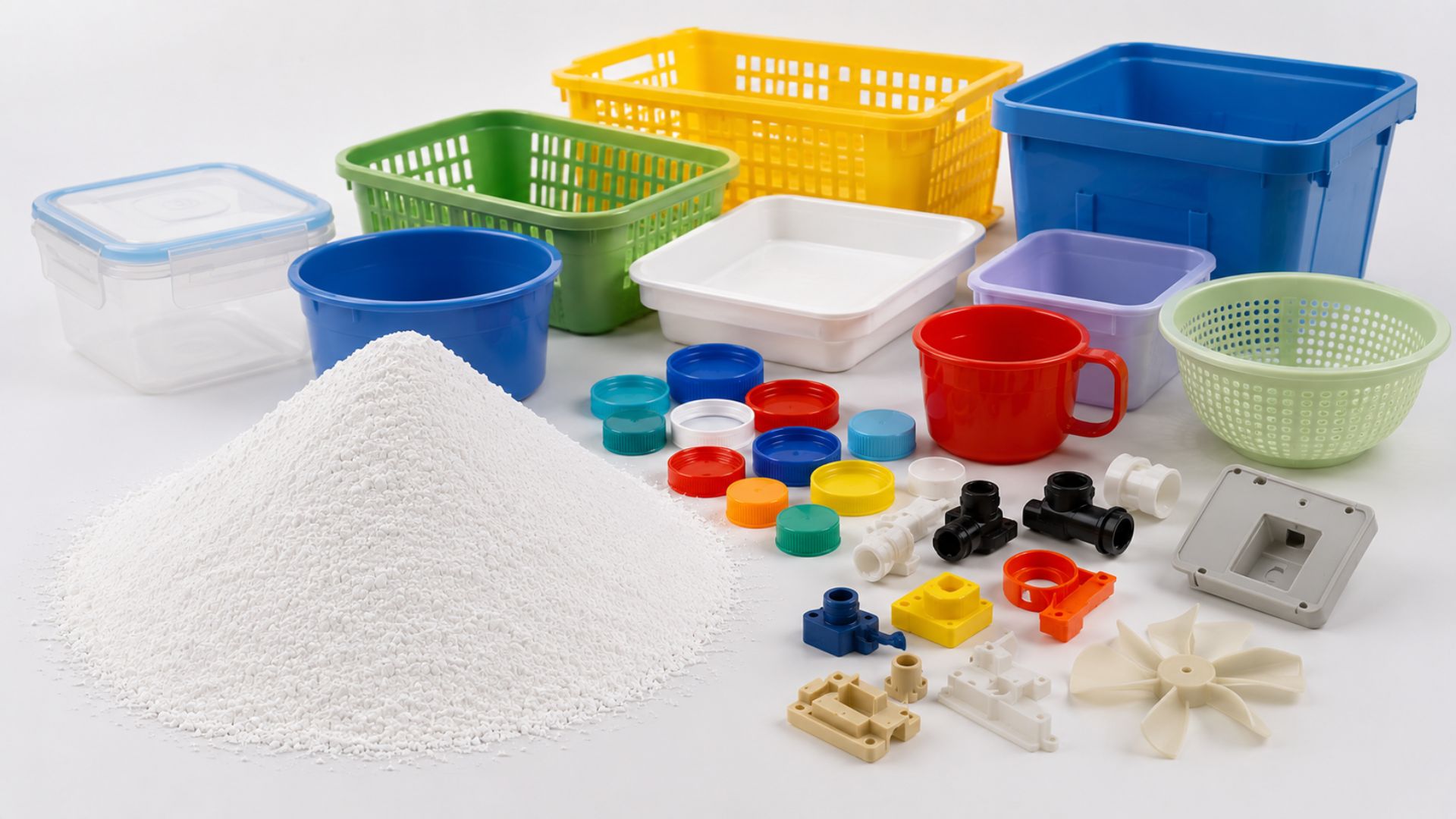
Household products include baskets, storage boxes, containers, cleaning accessories, kitchen items, and appliance components. These applications usually require a balance of stiffness, appearance, impact strength, and cost.
A fine or medium-fine coated Ground calcium carbonate is often suitable for PP or HDPE household compounds. The loading should provide rigidity without making the part too brittle. Visible products also require good color consistency and a controlled coarse-particle fraction.
Calcium carbonate for injection molding in household products should be tested through realistic drop, flex, and temperature exposure tests. Standard tensile data alone may not predict failure during daily use.
Rigid Packaging
Rigid packaging includes caps, closures, trays, tubs, pails, and containers. These parts may have thin walls, rapid cycles, and strict dimensional requirements.
Fine particle size, low moisture, good dispersion, and controlled surface treatment are important. The filler must not increase viscosity to the point that the cavity cannot fill properly. Reduced shrinkage can be useful in closures, lids, and stackable containers.
For food-contact packaging, the complete compound must comply with the applicable regulations. Suitability cannot be determined from the mineral filler alone.
Furniture Components
Plastic furniture parts include chair accessories, table fittings, feet, supports, and decorative elements. Ground calcium carbonate can improve rigidity and dimensional stability in PP compounds used for these products.
The formulation must be evaluated carefully for load-bearing or impact-exposed parts. Ground calcium carbonate is a mineral filler, not a direct replacement for structural reinforcement such as glass fiber.
Calcium carbonate for injection molding is generally more appropriate for non-critical furniture components than for highly stressed joints. Rib design, wall thickness, and weld-line position remain essential to performance.
Automotive Non-Structural Parts
Selected automotive applications include interior supports, covers, ducts, brackets, and housings with limited structural demand. These products may require dimensional stability, controlled stiffness, heat resistance, low odor, and consistent quality.
Fine coated Ground calcium carbonate can be incorporated into PP compounds together with impact modifiers, stabilizers, pigments, or compatibilizers. The final material should be qualified through impact testing, temperature cycling, aging, odor assessment, and dimensional measurement.
Calcium carbonate for injection molding in automotive applications must be evaluated against the complete component specification. Cost reduction should not determine the loading level without supporting performance data.
Electrical Housings
Electrical housings require dimensional accuracy, surface quality, electrical safety, and sometimes flame-retardant performance. Ground calcium carbonate may be used in selected PVC, PP, or modified polymer compounds, but its effect on the certified formulation must be verified.
The mineral should have controlled purity, low moisture, stable particle size, and consistent surface treatment. Impurities or moisture may affect appearance and can be problematic in sensitive electrical applications.
The Ground calcium carbonate grade must be assessed as part of the entire compound rather than as an isolated ingredient.
Common Processing Considerations
Addition Rate
The suitable addition rate depends on the polymer, wall thickness, part geometry, impact requirement, and processing equipment. Low loading may provide modest stiffness and shrinkage control, while higher loading may deliver stronger cost reduction and rigidity.
As loading rises, compound density usually increases and impact resistance often decreases. Melt flow may improve or worsen depending on particle size, coating, and dispersion.
Calcium carbonate for injection molding should be introduced through controlled trials at several loading levels. Resin grade, additives, processing conditions, and test methods should remain constant so the influence of Ground calcium carbonate can be measured accurately.
Dispersion
Good dispersion means the particles are distributed evenly without large agglomerates. Poor dispersion can create weak points, surface defects, inconsistent color, unstable flow, and variable mechanical properties.
Dispersion depends on screw design, temperature profile, feeding accuracy, residence time, shear rate, and surface treatment. A high-quality powder can still perform poorly if the compounding system provides insufficient mixing.
A pre-compounded filler masterbatch can improve dosing consistency, while direct compounding may offer greater formulation flexibility. Either route must provide enough mixing to distribute the mineral without degrading the polymer.
Effect On Melt Viscosity
Ground calcium carbonate changes the rheology of the molten compound. At low or moderate loading, coated fine particles may support flow by reducing polymer-filler friction. At high loading, the increased solid content can raise resistance to flow.
The effect should be evaluated using melt flow rate, injection pressure, fill time, and actual mold trials. A single melt flow value cannot fully describe behavior in a complex cavity.
Calcium carbonate for injection molding may require adjustments to injection speed, pressure, holding pressure, back pressure, and temperature. Changes should be made gradually to avoid flash, poor packing, burn marks, or excessive shear heating.
Balance Between Stiffness And Impact Strength
The main mechanical trade-off is often between stiffness and impact resistance. Ground calcium carbonate generally increases modulus but may reduce elongation and impact strength, especially at high loading or when the filler-polymer interface is weak.
Fine particle size, good dispersion, appropriate coating, impact modifiers, and suitable resin selection can help manage this balance. Part geometry is also important because sharp corners, thin sections, and weld lines concentrate stress.
Calcium carbonate for injection molding should be evaluated using tests that represent actual service conditions. Tensile modulus alone is insufficient. Drop testing, impact testing, creep measurement, dimensional checks, and environmental aging may also be required.
Conclusion
Ground calcium carbonate can improve cost efficiency, stiffness, dimensional stability, shrinkage control, and surface quality in injection-molded plastics. Its performance depends on factors such as particle size, surface treatment, moisture, and dispersion. Selecting the appropriate calcium carbonate for injection molding requires considering the polymer system, processing conditions, and end-use requirements to achieve consistent performance and reliable product quality.