
Polyethylene thermal degradation can affect how a resin flows, how a finished product looks, and how well it performs. Heat is necessary to shape Polyethylene, but excessive thermal exposure can cause permanent changes to its molecular structure. Read this blog by TLD Vietnam to understand why degradation occurs, how to recognize its effects, and which processing practices help limit damage.
What Is Polyethylene Thermal Degradation?
How Heat Changes the Structure Of Polyethylene
Polyethylene consists of long molecular chains that influence its strength, flexibility, and behavior during processing.
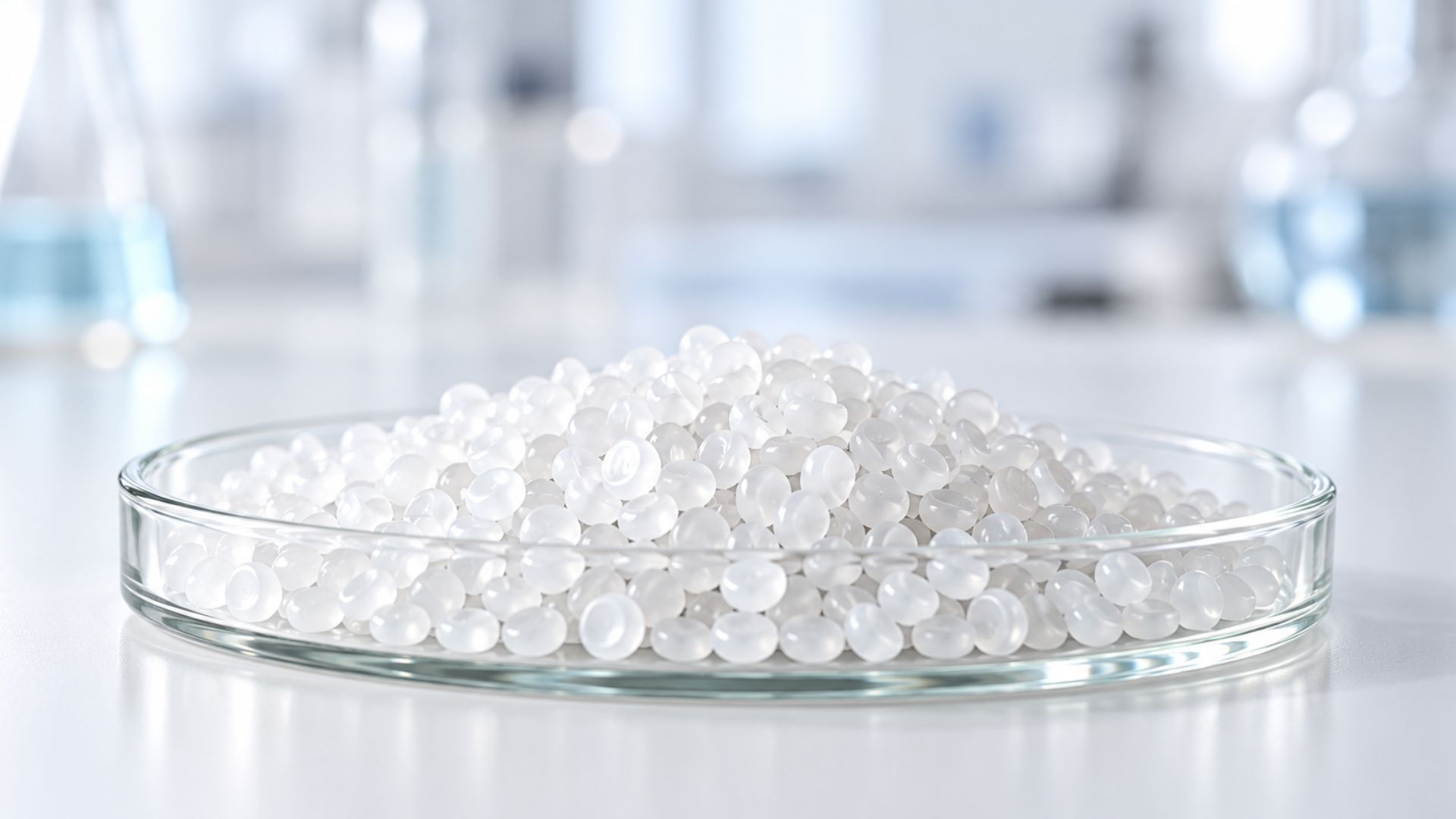
Polyethylene thermal degradation occurs when heat causes chemical changes in these chains, particularly under prolonged exposure or in the presence of oxygen. Some chains break into shorter segments, while others form new connections. These reactions can change the material’s melt flow and mechanical properties.
The Difference Between Thermal Degradation And Melting
Melting allows polyethylene to change from a solid into a material that can flow and take shape. During normal melting and cooling, the polymer chains can remain largely intact. Polyethylene thermal degradation involves permanent chemical changes that cooling cannot reverse. The distinction matters because a resin may appear to melt normally even though its molecular structure has already started to change.
What Causes Polyethylene To Degrade During Processing?
Too High Processing Temperatures
Higher temperatures generally increase the rate of chemical reactions that damage polyethylene. However, there is no single temperature limit that applies to every grade and processing method. Polyethylene thermal degradation depends on the actual melt temperature, exposure time, oxygen availability, and stabilizer system. A temperature suitable for a short processing cycle may cause damage when the material remains hot for much longer.
Long Residence Times In Processing Equipment
Residence time describes how long the resin remains inside processing equipment. Material trapped in areas with poor flow can stay hot much longer than the main melt stream and gradually form degraded deposits. Production stops can create a similar problem when resin remains inside a heated barrel or die. These conditions increase the risk of polyethylene thermal degradation even when temperature settings appear normal.
Exposure To Oxygen At High Temperatures
Oxygen can react with heated polyethylene and support a sequence of oxidation reactions. This combination of heat and oxygen is known as thermal oxidation, which often contributes to degradation during practical processing. Oxygen exposure can occur within the equipment and after the melt leaves the die. Research on PE extrusion shows that longer exposure of the hot melt to air can increase surface oxidation.
Repeated Melting And Reprocessing
Each melting cycle adds to the resin’s thermal and mechanical history. Repeated processing can gradually alter the molecular structure and reduce the protection provided by some stabilizers. Polyethylene thermal degradation therefore deserves particular attention when manufacturers reuse production scrap or process recycled material. The extent of damage depends on the feedstock and operating conditions, so the number of processing cycles alone cannot determine material quality.
How Does Heat Break Down Polyethylene?
Chain Scission Breaks Polymer Chains Into Shorter Segments
Chain scission occurs when chemical bonds within a polymer chain break and create shorter molecules. When this mechanism dominates, the average molecular weight decreases, and the resin generally flows more easily under comparable conditions. This form of polyethylene thermal degradation can reduce the contribution of long chains to strength and toughness. However, the final properties also depend on crystallinity and the distribution of molecular chain lengths.
Crosslinking Connects Polymer Chains Together
Crosslinking creates chemical bonds between separate polymer chains, restricting their movement. Uncontrolled crosslinking during processing can increase resistance to flow and produce localized gels that do not disperse uniformly. Polyethylene thermal degradation can therefore make the melt more difficult to process rather than simply reduce its viscosity. Research on reprocessed polyethylene confirms that crosslinking and chain scission can occur together, with their balance depending on processing conditions.
Oxygen Accelerates Polymer Degradation
Heat and processing stress can generate reactive sites called free radicals. These sites can react with oxygen and form compounds such as hydroperoxides, which may break down and produce additional radicals. This repeating reaction cycle helps explain how polyethylene thermal degradation can progress during continued exposure. Antioxidants slow different stages of oxidation, although their effectiveness depends on the formulation and the severity of processing conditions.
Common Signs Of Polyethylene Thermal Degradation
Yellowing And Changes In Color
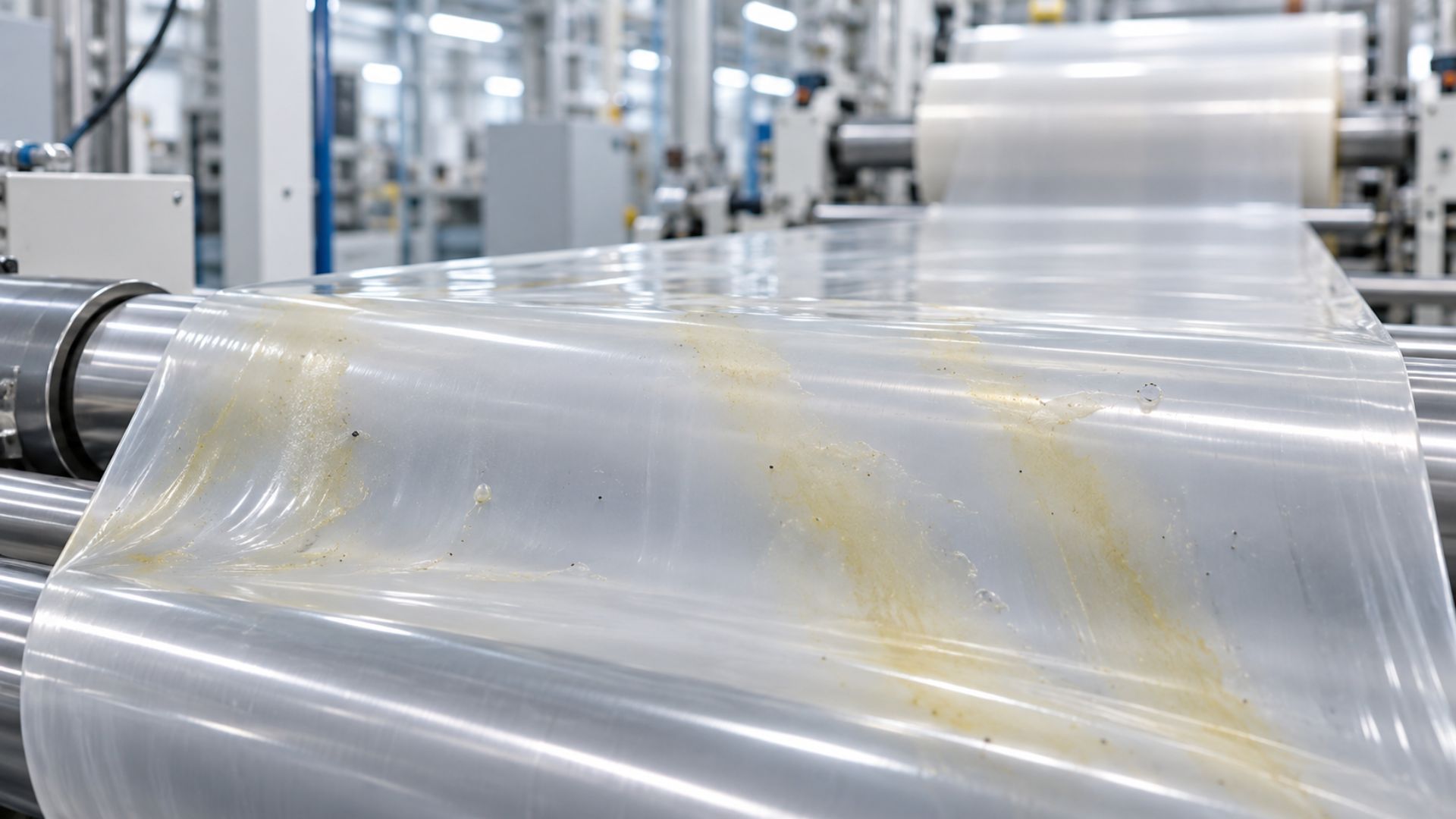
A yellow or brown tint may indicate chemical changes in the polymer or its additives. These changes are usually easier to detect in natural or lightly colored products than in dark materials. However, discoloration alone does not confirm polyethylene thermal degradation because contamination and additive reactions can produce similar effects. Operators should compare the affected material with a reference sample and review any recent changes in processing conditions.
Unusual Odors And Smoke During Processing
Degradation can generate small molecules that escape from the melt and create unusual odors. Studies of polyethylene extrusion have identified oxidation products such as aldehydes and organic acids under different processing conditions. Smoke or a sudden increase in emissions requires investigation, but neither symptom identifies the cause on its own. Thermal degradation may also occur before a strong odor or visible smoke becomes noticeable.
Gels And Black Specks In Finished Products
Gels appear as localized defects within the surrounding material, while black specks may come from severely degraded deposits. These defects can develop when resin remains trapped in equipment and later breaks away into the flowing melt. Polyethylene thermal degradation is one possible cause, but unmelted resin and foreign particles can create similar problems. Investigations should therefore examine both the incoming feedstock and areas where material can accumulate inside the equipment.
Changes In Melt Flow And Processing Behavior
Changes in melt flow rate can indicate that the polymer’s molecular structure has changed. Chain scission generally increases melt flow rate, whereas branching or crosslinking may reduce it. Polyethylene thermal degradation can also contribute to changes in extrusion pressure, motor load, and melt consistency. These observations require comparison under consistent conditions because temperature variation, contamination, and differences between resin grades can affect the same measurements.
How Thermal Degradation Affects Product Quality
Lower Strength And Great Brittleness
Significant degradation can reduce the material’s ability to stretch and absorb energy before breaking. A finished product may become brittle even when its dimensions and general appearance remain acceptable. Polyethylene thermal degradation does not affect every mechanical property equally, so tensile strength alone may not reveal the full extent of damage. Elongation and impact testing can provide additional information about changes in ductility and toughness.
Uneven Surfaces And Poor Appearance
Degraded particles and nonuniform melt behavior can create visible defects in films, sheets, and molded products. Gels or specks may interrupt a smooth surface and can become local weak points in thin sections. However, thermal degradation should not be assumed to explain every surface problem. Poor mixing, contamination, and unstable flow can produce similar defects, and each cause requires a different corrective action.
How To Reduce Polyethylene Thermal Degradation
Set Processing Temperatures For The Specific Grade
The resin supplier’s recommendations provide a starting point for selecting processing temperatures. Operators should also measure the actual melt temperature because screw rotation and friction generate heat beyond that supplied by the barrel heaters. Controlling polyethylene thermal degradation requires sufficient heat for uniform melting without unnecessary thermal exposure. Simply lowering every temperature setting can cause incomplete melting or poor mixing, so adjustments should address the observed processing problem.
Control Residence Time And Avoid Material Buildup
Stable material flow reduces the chance that portions of resin will remain hot for excessive periods. Regular cleaning, appropriate purging, and inspection of areas with poor flow help prevent the accumulation of degraded deposits. Shutdown and restart procedures should also match the resin and equipment. These practices limit thermal degradation by reducing prolonged exposure and preventing old material from entering otherwise acceptable production.
Use Suitable Antioxidants And Processing Stabilizers
Primary antioxidants react with free radicals and interrupt oxidation reactions. Secondary antioxidants, including commonly used phosphites, break down hydroperoxides into less reactive products and can work alongside primary antioxidants. The choice and dosage should reflect the resin’s existing additive package, processing conditions, and intended use. These additives help slow further damage, but they cannot reconnect polymer chains that have already broken or remove existing degraded particles.
Limit Heat Exposure During Recycling And Reprocessing
Recycling operations should avoid unnecessary melting stages and control the temperature and residence time of each required pass. Separating feedstocks by grade and known processing history also makes changes in behavior easier to interpret. Managing polyethylene thermal degradation requires evaluating the material after reprocessing rather than assuming that every batch will behave similarly. Melt flow measurements and application-specific mechanical tests can guide decisions about reuse and blending.
Conclusion
Polyethylene thermal degradation involves permanent molecular changes influenced by heat, exposure time, oxygen, and processing stress. Chain scission and uncontrolled crosslinking can alter melt flow, create defects, and reduce product performance. Effective control combines suitable processing temperatures, stable material flow, clean equipment, and appropriate stabilization. Early investigation of changes in color, flow, or mechanical behavior helps identify the cause before affected material continues through production.