
Polyethylene (PE) has become an important insulating material in the wire and cable industry due to its excellent electrical properties, low moisture absorption, and chemical resistance. From telecommunications cables to power distribution systems, PE resin for wire and cable insulation helps maintain electrical performance while protecting conductors against environmental and operating stresses. However, different PE grades offer distinct properties, making material selection essential for cable quality and service life. This article by TLD Vietnam explores the types, characteristics, applications, and technical considerations of PE insulation materials. Read on to understand how PE contributes to reliable wire and cable manufacturing.
What Is PE Resin For Wire And Cable Insulation?
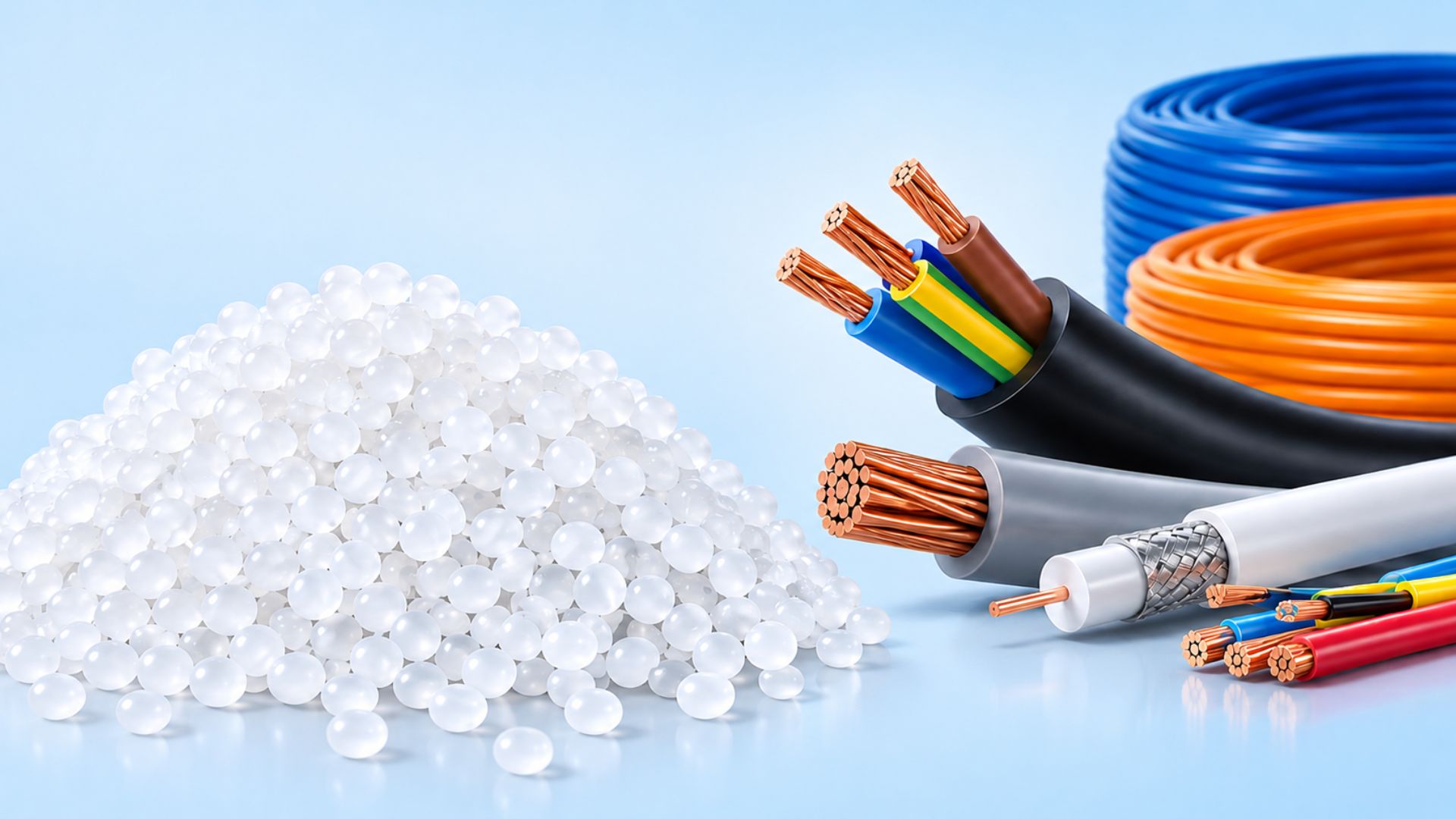
PE resin is a thermoplastic polymer produced through the polymerization of ethylene. Its molecular structure consists primarily of long hydrocarbon chains, which provide excellent electrical insulation properties and resistance to many chemicals. In cable manufacturing, PE is used to form insulating layers around electrical conductors and, depending on the formulation, protective outer layers that withstand mechanical and environmental exposure.
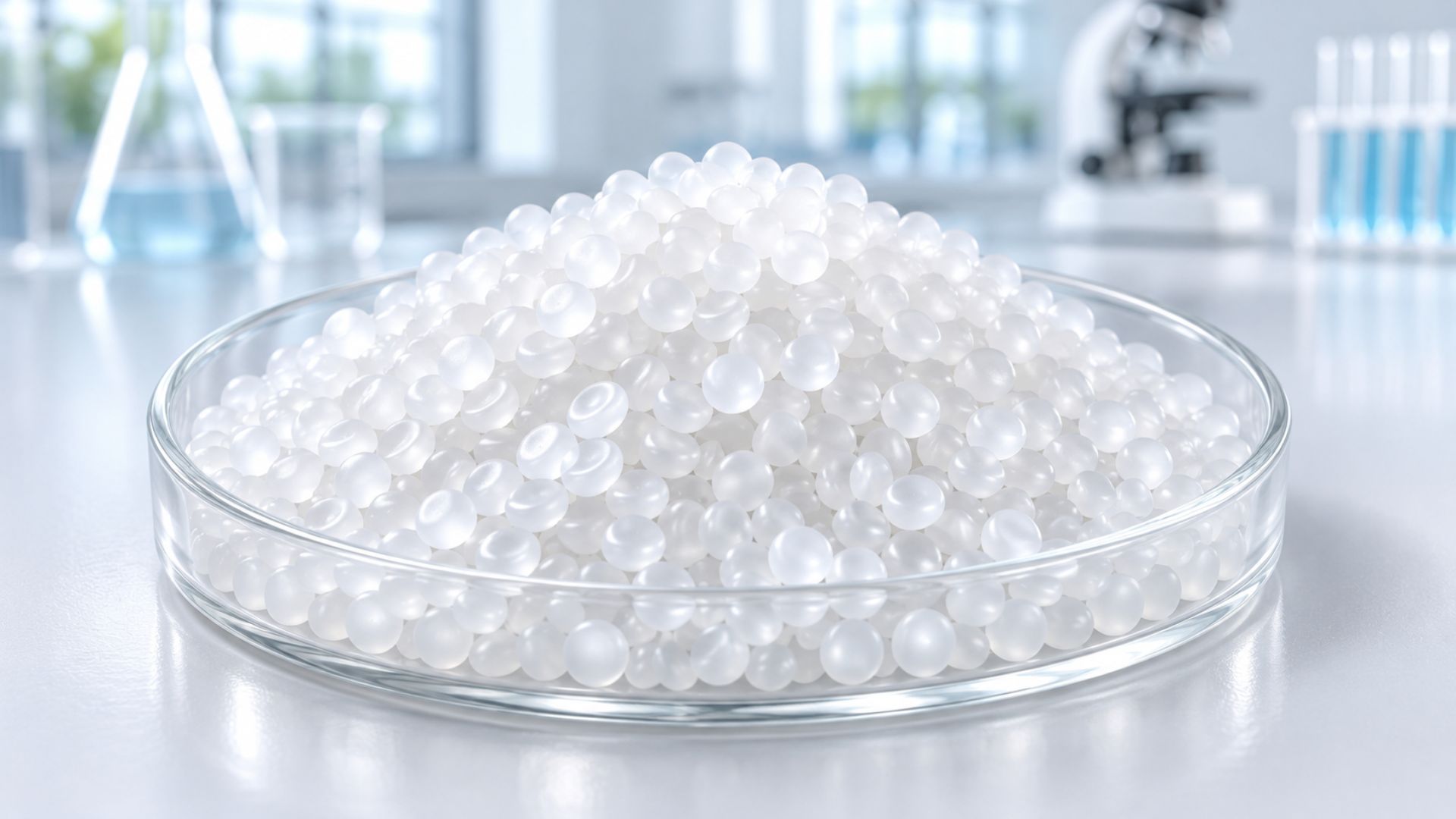
PE resin for wire and cable insulation serves as a dielectric barrier between conductive materials and their surroundings. This barrier helps prevent unintended current flow, reduces electrical leakage, and maintains stable performance during operation. Unlike materials that conduct electricity through mobile charge carriers, PE has very low electrical conductivity, making it suitable for applications requiring reliable insulation.
The performance of PE insulation depends on several factors, including polymer density, molecular structure, additives, processing conditions, and operating temperature. Manufacturers must select appropriate grades rather than relying solely on the general characteristics of PE. PE resin designed for packaging or injection molding may not meet the purity, electrical, or thermal requirements of cable insulation.
Why Is PE Used in Wire and Cable Insulation?
PE offers a combination of electrical, physical, and chemical properties that make it suitable for various wire and cable applications. Its nonpolar molecular structure contributes to low dielectric losses and high electrical resistivity. These properties help limit unwanted electrical energy dissipation and support stable insulation performance under normal operating conditions.
One of the main advantages of PE resin for wire and cable insulation is its relatively low dielectric constant, typically around 2.2-2.4 for many unfilled PE materials. A low dielectric constant is particularly valuable in telecommunications and signal transmission cables, where insulation characteristics influence capacitance and signal propagation. The actual electrical performance depends on the selected grade, formulation, and cable construction.
PE also exhibits low water absorption and good resistance to many common chemicals. These characteristics support its use in cable systems exposed to moisture and challenging environments. Nevertheless, low water absorption does not eliminate the possibility of long-term electrical degradation, particularly when moisture and electrical stress occur together.
Another important advantage is its processability through extrusion. Thermoplastic PE can be melted and applied continuously around conductors to form a uniform insulation layer. This process allows manufacturers to control insulation thickness and production consistency, provided that resin quality, extrusion conditions, and cooling are properly managed.
Types of PE Resin Used in Wire and Cable Insulation
Different PE materials are selected according to cable design, mechanical requirements, and electrical operating conditions. The most relevant categories include Low-Density Polyethylene (LDPE), Linear Low-Density Polyethylene (LLDPE), High-Density Polyethylene (HDPE), and Cross-Linked Polyethylene (XLPE).
LDPE
LDPE has a branched molecular structure that gives it relatively low crystallinity, good flexibility, and excellent dielectric properties. These characteristics make cable-grade LDPE suitable for selected low-voltage insulation and telecommunications applications. Its flexibility also helps the insulating layer accommodate bending and handling during cable production and installation.
LDPE generally has good melt processability, which supports stable extrusion when an appropriate cable grade is selected. Its relatively low melting temperature, however, limits its suitability for applications involving sustained high conductor temperatures. Manufacturers must therefore evaluate the thermal performance of the complete cable construction rather than assuming that every LDPE grade is appropriate for electrical insulation.
LLDPE
LLDPE contains a predominantly linear molecular backbone with short-chain branching. Compared with conventional LDPE, LLDPE often provides improved toughness, puncture resistance, and resistance to environmental stress cracking, depending on its composition and grade.
In the wire and cable industry, specially formulated LLDPE materials may be used in certain low-voltage insulation and protective jacketing applications. Their mechanical properties can be useful where cable layers must tolerate handling, bending, or physical stress. However, general-purpose LLDPE film grades should not automatically be considered suitable for electrical insulation without supporting technical data and testing.
The selection of LLDPE for cable applications requires careful consideration of melt behavior, electrical properties, thermal stability, and compatibility with the intended extrusion process. Polymer grade and compound formulation can significantly influence performance, even when materials share the same general resin classification.
HDPE
HDPE has a more linear molecular structure and higher crystallinity than LDPE. This structure generally produces greater stiffness, hardness, and mechanical strength. HDPE also provides excellent electrical insulation characteristics and low moisture absorption.
Cable-grade HDPE is used in selected telecommunications, communication, and other cable applications requiring dimensional stability and mechanical protection. Its stiffness can be advantageous in certain cable designs, although it may reduce flexibility compared with lower-density PE materials. HDPE is also widely used in protective cable jacketing, where abrasion resistance and environmental durability are important.
The suitability of HDPE depends on the final cable construction. Insulation grades must satisfy electrical performance requirements, while jacketing grades are often selected primarily for mechanical and environmental properties. These two applications should be evaluated separately because their material specifications may differ.
XLPE
XLPE is produced by forming chemical links between PE molecular chains. This process creates a three-dimensional polymer network that improves thermal stability and resistance to deformation at elevated temperatures. Unlike conventional thermoplastic PE, fully cross-linked XLPE does not melt and flow in the same manner when reheated.
XLPE is widely used as insulation in low-, medium-, and high-voltage power cables. Many conventional XLPE cable designs are rated for continuous conductor operating temperatures of approximately 90°C, although actual limits depend on the applicable standards and cable construction. Its combination of electrical insulation performance and improved high-temperature mechanical stability makes it particularly valuable in power transmission and distribution systems.
PE resin for wire and cable insulation may be supplied as a crosslinkable compound intended to form XLPE during cable manufacturing. These compounds can use peroxide or silane crosslinking technologies, depending on the application and production process. Their formulation, cleanliness, curing characteristics, and processing requirements differ from those of ordinary PE extrusion resins.
Key Properties Of PE Resin For Wire And Cable Insulation
Material selection requires more than identifying the PE family. Cable manufacturers must examine the physical, electrical, and processing characteristics of individual grades because these properties directly influence insulation reliability and manufacturing consistency.
Dielectric Strength and Electrical Resistivity
Dielectric strength describes the ability of an insulating material to withstand an electric field without electrical breakdown. Electrical resistivity indicates how strongly the material opposes electric current. Together, these properties help determine whether a PE grade can provide suitable electrical insulation under specified operating conditions.
PE resin for wire and cable insulation generally provides high electrical resistivity and favorable dielectric performance. However, actual results depend on material purity, temperature, insulation thickness, test conditions, and manufacturing quality. Contaminants, voids, and structural defects can create localized electrical stress, particularly in medium- and high-voltage insulation systems.
Dielectric Constant and Dissipation Factor
The dielectric constant, also known as relative permittivity, describes how an insulating material responds to an electric field. PE has a relatively low dielectric constant, making it useful for applications where controlled capacitance and signal transmission characteristics are important.
The dissipation factor measures dielectric energy losses under alternating electrical fields. Low dielectric losses are desirable because they reduce energy dissipation within the insulating material. These electrical characteristics are particularly relevant to communication cables and power cables operating under demanding electrical conditions.
Thermal Stability
Temperature has a significant influence on the mechanical and electrical behavior of PE insulation. As thermoplastic PE approaches its softening or melting range, its ability to maintain shape under mechanical stress decreases. This characteristic can limit the continuous operating temperatures permitted for certain cable constructions.
Crosslinking improves the resistance of PE to deformation at elevated temperatures. Consequently, XLPE is often preferred for power cable applications requiring higher thermal performance. The allowable operating temperature must still be determined according to the insulation compound, cable design, and relevant technical standards.
Moisture and Chemical Resistance
PE absorbs relatively little water and resists many acids, alkalis, and other chemicals under suitable exposure conditions. These properties contribute to its durability in cable installations where contact with moisture or chemical substances may occur.
However, long-term exposure to moisture and high electrical stress can contribute to a degradation mechanism known as water treeing. This phenomenon is particularly important in medium-voltage cable insulation. For demanding applications, manufacturers may use water-tree-retardant XLPE compounds and suitable cable protection systems to reduce the risk of premature deterioration.
Mechanical Properties and Flexibility
The mechanical characteristics of PE resin for wire and cable insulation influence cable handling, bending performance, and resistance to physical damage. Tensile strength, elongation at break, stiffness, and environmental stress-crack resistance are among the properties commonly considered during material evaluation.
LDPE generally provides greater flexibility, while HDPE offers higher stiffness and strength. LLDPE may provide an advantageous combination of toughness and flexibility in suitable formulations. Manufacturers must balance these characteristics with electrical performance because the strongest or most flexible material is not necessarily the best insulation material for a particular cable.
Applications Of PE Resin In Wire And Cable Manufacturing
PE materials are used across several cable categories, but their specific functions depend on the electrical requirements and construction of the finished product. Understanding these applications helps manufacturers select suitable insulation compounds and distinguish them from materials intended for protective cable layers.
Low-Voltage Electrical Cables
Low-voltage cables are used in power distribution, equipment connections, and numerous industrial electrical systems. Selected thermoplastic PE compounds and XLPE materials can provide insulation for these applications, depending on the required operating temperature, flexibility, and electrical specifications.
For manufacturers evaluating PE resin for wire and cable insulation in low-voltage systems, thermal performance and conformity with the applicable cable standard are essential. PE-based materials may also require additional formulation measures where specific flame performance or environmental characteristics are required.
Medium- and High-Voltage Power Cables
Medium- and high-voltage power cables place greater demands on insulation quality because they operate under stronger electrical fields. XLPE is widely used in these systems due to its favorable dielectric characteristics, thermal stability, and established performance in power cable applications.
Material cleanliness is especially important in these applications. Small contaminants, voids, or defects at insulation interfaces may produce localized electrical stress and contribute to long-term deterioration. For this reason, manufacturers typically use specialized crosslinkable insulation compounds together with carefully controlled extrusion and curing processes.
Telecommunications and Communication Cables
PE is widely used in telecommunications cable insulation because of its low dielectric constant, low dissipation factor, and moisture resistance. These characteristics support signal transmission while helping maintain the electrical properties of the cable.
Both solid and foamed PE insulation systems can be used in communication cable designs. Foamed PE contains controlled gas cells that reduce the effective dielectric constant, making it useful in certain high-frequency signal transmission applications. The selection depends on the required electrical characteristics, cable construction, and manufacturing technology.
Cable Jacketing and Protective Layers
PE is also used in cable jackets and protective sheaths, which serve a different purpose from conductor insulation. These outer layers help protect the cable against abrasion, moisture, chemicals, and environmental exposure.
HDPE, MDPE, and LLDPE-based formulations may be selected for particular jacketing applications. Manufacturers often incorporate suitable stabilizers, pigments, or other additives to achieve the required durability. Although insulation and jacketing may both use PE, their functional requirements and acceptance criteria should not be treated as interchangeable.
PE vs PVC For Wire And Cable Insulation
PE and Polyvinyl Chloride (PVC) are both used in the cable industry, but their properties lead to different applications. PE is generally valued for its low dielectric constant, low dielectric losses, and moisture resistance, whereas suitably formulated PVC offers flexibility, processing versatility, and the ability to achieve specified flame-retardant performance.
From an electrical perspective, PE resin for wire and cable insulation can be advantageous in communication cables and other applications where dielectric performance is important. PVC compounds, meanwhile, are commonly used in building wires, low-voltage insulation, and cable sheathing because their formulations can be adjusted to meet a wide range of mechanical and fire-performance requirements.
Conventional PE is combustible and generally requires specific formulation or cable design measures when flame performance is required. PVC contains chlorine in its polymer structure and may offer different flame behavior, but combustion can produce corrosive gases and smoke. The final material choice must account for the complete set of electrical, thermal, mechanical, environmental, and fire-safety requirements.
Neither material is universally superior. The correct selection depends on the intended cable application, installation environment, manufacturing process, and applicable standards.
How To Choose The Right PE Resin For Wire And Cable Insulation
Selecting an appropriate PE grade begins with understanding the required function of the material. Manufacturers should first determine whether the resin will be used for conductor insulation, a semiconductive layer, or protective jacketing. Each application requires different electrical, physical, and processing characteristics.
The cable’s rated voltage and operating temperature are equally important. A resin suitable for a low-voltage communication cable may not provide the required performance in a medium-voltage power cable. For applications involving higher electrical stress, specialized insulation compounds and additional material quality controls are often necessary.
The Melt Flow Index (MFI), density, thermal stability, and mechanical properties should also be reviewed. MFI provides information about polymer flow under specified test conditions, but it cannot independently determine extrusion suitability. Molecular weight distribution, melt strength, compound composition, and actual processing behavior must also be considered.
Another critical factor is the purity of PE resin for wire and cable insulation. Electrical insulation performance can be affected by foreign particles, moisture, gels, and other material irregularities. These concerns become particularly significant in high-voltage systems, where strict contamination control is essential for long-term reliability.
Manufacturers should review the resin’s Technical Data Sheet (TDS), relevant test reports, and recommended processing conditions before approving a material. Trial extrusion and finished-cable testing are necessary to confirm that the selected grade performs as expected under actual manufacturing conditions.
Manufacturing Considerations For PE Cable Insulation
Extrusion is the primary method used to apply PE insulation around wire and cable conductors. During this process, the polymer is heated, melted, and delivered through an extrusion die to form a continuous layer around the conductor. The insulation is then cooled or, for crosslinkable materials, subjected to an appropriate curing process.
Consistent extrusion conditions are important because changes in melt temperature, extrusion pressure, or line speed may affect insulation thickness and surface quality. Uneven insulation can influence electrical stress distribution and reduce manufacturing consistency. Equipment condition and process monitoring therefore play important roles alongside material selection.
For XLPE cables, crosslinking introduces additional processing requirements. Peroxide-crosslinkable compounds typically require carefully controlled heating and curing, while silane-crosslinkable systems use different chemical and process conditions. Manufacturers must follow the compound supplier’s recommendations to obtain the required crosslinking level and final cable properties.
Material handling is another important consideration. PE resin for wire and cable insulation should be stored and processed under conditions that minimize contamination and unnecessary exposure to moisture or foreign particles. Although PE itself has low moisture absorption, contamination and surface moisture can still create processing or quality problems.
Standards And Quality Requirements For PE Cable Insulation
Wire and cable manufacturers must evaluate insulation materials according to the standards applicable to their finished products. Common references include the IEC 60502 series for certain power cables with extruded insulation and IEC 60840 for power cable systems within its specified high-voltage range.
IEC 62067 addresses higher-voltage cable systems within its defined scope, while other IEC, UL, ICEA, and regional standards may apply to specific cable types. These standards establish requirements and test methods for cable construction and performance rather than providing universal approval for every PE resin.
Typical quality evaluations include insulation thickness, electrical withstand performance, mechanical properties, thermal behavior, and other application-specific tests. Medium- and high-voltage cables may require additional assessments involving partial discharge, dielectric performance, and long-term reliability.
Compliance should therefore be established at the appropriate material and finished-cable levels. A resin’s general technical properties alone cannot demonstrate that a complete cable meets a particular standard.
Conclusion
PE resin for wire and cable insulation remains an important material in electrical and communication cable manufacturing because of its strong dielectric performance, low moisture absorption, and processing versatility. LDPE, LLDPE, HDPE, and XLPE provide different combinations of flexibility, mechanical strength, and thermal stability, allowing manufacturers to address diverse cable requirements.
Successful material selection depends on understanding the intended application and evaluating the technical characteristics of each resin grade. Electrical properties, operating temperature, purity, extrusion behavior, and applicable cable standards must all be considered to ensure consistent insulation performance.
As cable systems continue to demand reliable electrical performance and long service life, the use of properly specified PE materials and controlled manufacturing processes remains essential. Choosing a suitable cable-grade PE compound, supported by technical documentation and appropriate testing, is a fundamental step toward producing durable wire and cable products.