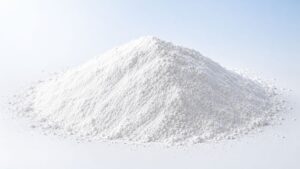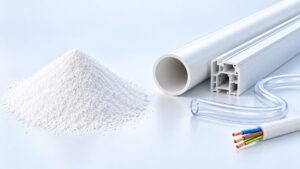

Polyvinyl chloride (PVC) is widely processed by extrusion to manufacture pipes, profiles, conduits, cable compounds and other products. However, PVC has relatively limited thermal stability and can begin to degrade under the heat and mechanical stress generated during processing. Heat stabilizers are therefore an essential part of PVC formulations.
Lead stabilizer has historically been one of the most effective heat-stabilizing systems for PVC extrusion. It provides strong thermal stability, good processing performance and long-term protection of the finished material. This article by TLD Vietnam explains how Lead stabilizers in PVC extrusion work, why they are used, and the main factors to consider when selecting a stabilizer system.
What Is Lead Stabilizers ?
Lead stabilizer is heat-stabilizing system based on lead compounds that is incorporated into PVC formulations to reduce thermal degradation during processing and, depending on the formulation, during the service life of the finished product. Its primary purpose is to keep PVC sufficiently stable while the polymer is exposed to high temperatures during extrusion, mixing, calendaring or other thermal processing operations.
PVC is inherently sensitive to heat because its molecular structure can undergo dehydrochlorination when exposed to sufficiently high temperatures. Once degradation begins, Hydrogen chloride (HCl) is released and structural changes develop along the polymer chain. These reactions can accelerate further degradation, resulting in progressive discoloration and deterioration of the material’s physical properties.
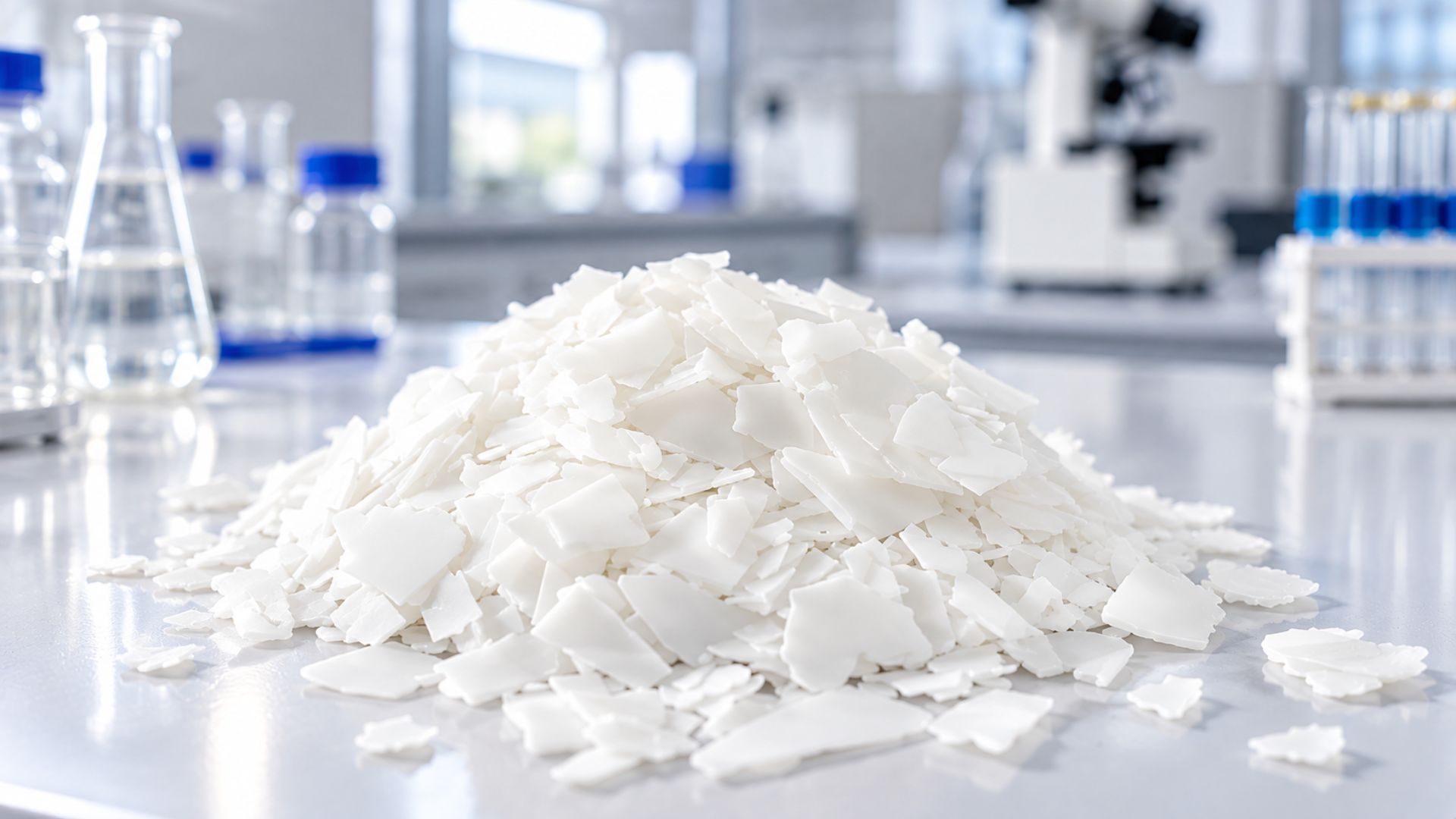
Lead stabilizer systems interrupt or slow these degradation reactions. Traditional lead-based systems can contain compounds such as tribasic lead sulfate (TBLS), dibasic lead phosphite (DBLP), dibasic lead stearate and other lead salts. Their exact composition varies according to the required processing window, end-use application and overall PVC formulation.
In industrial practice, Lead stabilizer may also be supplied as part of a one-pack stabilizer system rather than as a single active chemical. Such systems can combine heat-stabilizing components with lubricants and other processing additives in controlled proportions. This allows formulators to manage several aspects of PVC processing through one additive package.
The term lead stabilizer therefore describes a functional stabilizing system rather than one universal chemical composition. Different formulations can provide different balances of initial color, long-term thermal stability, lubrication and processing behavior. Selection must consequently be based on the PVC formulation and processing conditions rather than simply on the presence of a lead compound.
Why Are Stabilizers Required In PVC Extrusion?
PVC extrusion requires the resin and additives to pass through heated zones while being subjected to compression, mixing and shear inside the extruder. The material must soften and fuse sufficiently to form a homogeneous melt, but excessive thermal exposure can initiate degradation. A stabilizer increases the processing window between adequate fusion and unacceptable thermal deterioration. This is one of the primary reasons Lead stabilizers in PVC extrusion became widely used in traditional PVC processing.
Without sufficient stabilization, PVC may progressively discolor, release HCl and lose important mechanical or processing properties. The problem can become more severe when residence time increases or when the formulation experiences excessive temperature or shear. Stabilization is therefore closely connected with both formulation design and extrusion conditions.
Thermal Degradation Of PVC During Extrusion
One of the principal degradation mechanisms of PVC is dehydrochlorination. During this process, hydrogen and chlorine atoms are eliminated from adjacent positions in the polymer chain, releasing HCl and creating unsaturated structures. As conjugated double-bond sequences develop, the PVC can change from its original color through yellow and brown stages and eventually become severely degraded.
The released HCl can further promote degradation, making the reaction autocatalytic. Once this process accelerates, deterioration can occur rapidly. Lead stabilizers in PVC extrusion help delay these reactions and extend the period during which the PVC compound can be processed without unacceptable thermal damage.
Effects Of Heat And Shear On PVC Processing
Temperature is not the only factor affecting PVC stability. Mechanical shear generated by screws, barrel surfaces and dies contributes to the overall thermal history of the compound. Friction can generate additional heat, while high shear conditions may increase the stress experienced by the material.
Residence time is equally important. Even a moderate processing temperature can become problematic if PVC remains inside the extrusion system for too long. The required stabilization level therefore depends on the combined effects of temperature, shear, residence time, equipment design and the characteristics of the PVC formulation. For this reason, the performance of Lead stabilizers in PVC extrusion should be evaluated under actual or representative processing conditions.
How Lead Stabilizers Work In PVC Processing
Lead stabilizer systems protect PVC through several complementary mechanisms. Rather than simply lowering the processing temperature, they chemically interfere with degradation reactions and reduce the ability of degradation products to accelerate further decomposition. Understanding these mechanisms is important when evaluating Lead stabilizers in PVC extrusion for different formulations.
Their effectiveness depends on the specific lead compounds used and their interaction with other ingredients in the formulation. Lubricants, fillers, pigments and processing aids can all influence the stabilization requirement and the behavior of the compound during extrusion.
Neutralization Of HCl
A major function of Lead stabilizer is to react with or bind hydrogen chloride generated during PVC degradation. Removing active HCl from the system helps reduce its catalytic effect on subsequent dehydrochlorination reactions.
This HCl-scavenging capacity is particularly important during prolonged thermal exposure. By limiting the accumulation of active degradation products, Lead stabilizers in PVC extrusion can slow the transition from initial decomposition to rapid deterioration of the PVC compound.
Prevention Of PVC Thermal Degradation
Lead stabilizer can also interfere with unstable sites in the PVC chain that contribute to dehydrochlorination. This reduces the rate at which degradation propagates through the polymer and increases the material’s resistance to processing heat.
The resulting improvement in dynamic thermal stability gives processors a broader operating window. This can be especially useful in extrusion processes where the compound experiences continuous heating and mechanical work before reaching the die.
Maintaining Color And Processing Stability
PVC discoloration is one of the most visible indicators of thermal degradation. By slowing the formation of conjugated structures in the polymer chain, Lead stabilizer helps maintain acceptable color during processing and reduces rapid deterioration under prolonged heat exposure.
Thermal stabilization also contributes to more consistent processing behavior. However, stabilizer performance should not be considered independently from the rest of the formulation. Lubrication balance, filler loading, processing aids and extrusion parameters can significantly affect fusion, melt behavior and the apparent effectiveness of Lead stabilizers in PVC extrusion.
Key Benefits Of Lead Stabilizers For PVC Extrusion
The historical use of Lead stabilizers in PVC extrusion is largely associated with their strong thermal performance and broad processing window. These properties made lead-based systems particularly suitable for demanding rigid PVC applications before environmental and regulatory considerations accelerated the transition toward alternative technologies.
High Thermal Stability
Lead stabilizer can provide strong resistance to thermal degradation during PVC processing. Its ability to control HCl-related degradation allows the compound to tolerate relatively demanding processing conditions and helps maintain stability during extended heat exposure.
This characteristic has traditionally been valuable in rigid PVC extrusion, where maintaining consistent processing conditions over long production runs is important. High thermal stability can also reduce the risk of rapid degradation caused by temporary changes in residence time or processing conditions.
Good Processing And Lubrication Performance
Commercial Lead stabilizer packages have often been formulated together with internal and external lubricating components. A properly balanced system can support controlled fusion, melt transport and release behavior during extrusion.
However, lubrication should not be attributed solely to the lead compounds themselves. The processing characteristics of a commercial one-pack depend on its complete formulation. Excessive or insufficient lubrication can alter fusion behavior and product quality even when the thermal stabilizer concentration is adequate.
Long-Term Stability And Cost Efficiency
Lead-based systems have historically been valued for their long-term heat stability and relatively robust performance in PVC formulations. Their established formulation technology also allowed manufacturers to achieve predictable processing behavior across high-volume extrusion operations.
Cost efficiency depends on formulation, dosage, local raw-material prices, processing efficiency and regulatory requirements. A lower additive price does not necessarily result in a lower total production cost if the stabilizer requires formulation changes or cannot satisfy the compliance requirements of the target market. Therefore, the economics of Lead stabilizers in PVC extrusion should be evaluated based on the complete PVC formulation and production process.
Applications In PVC Pipes, Profiles And Cables
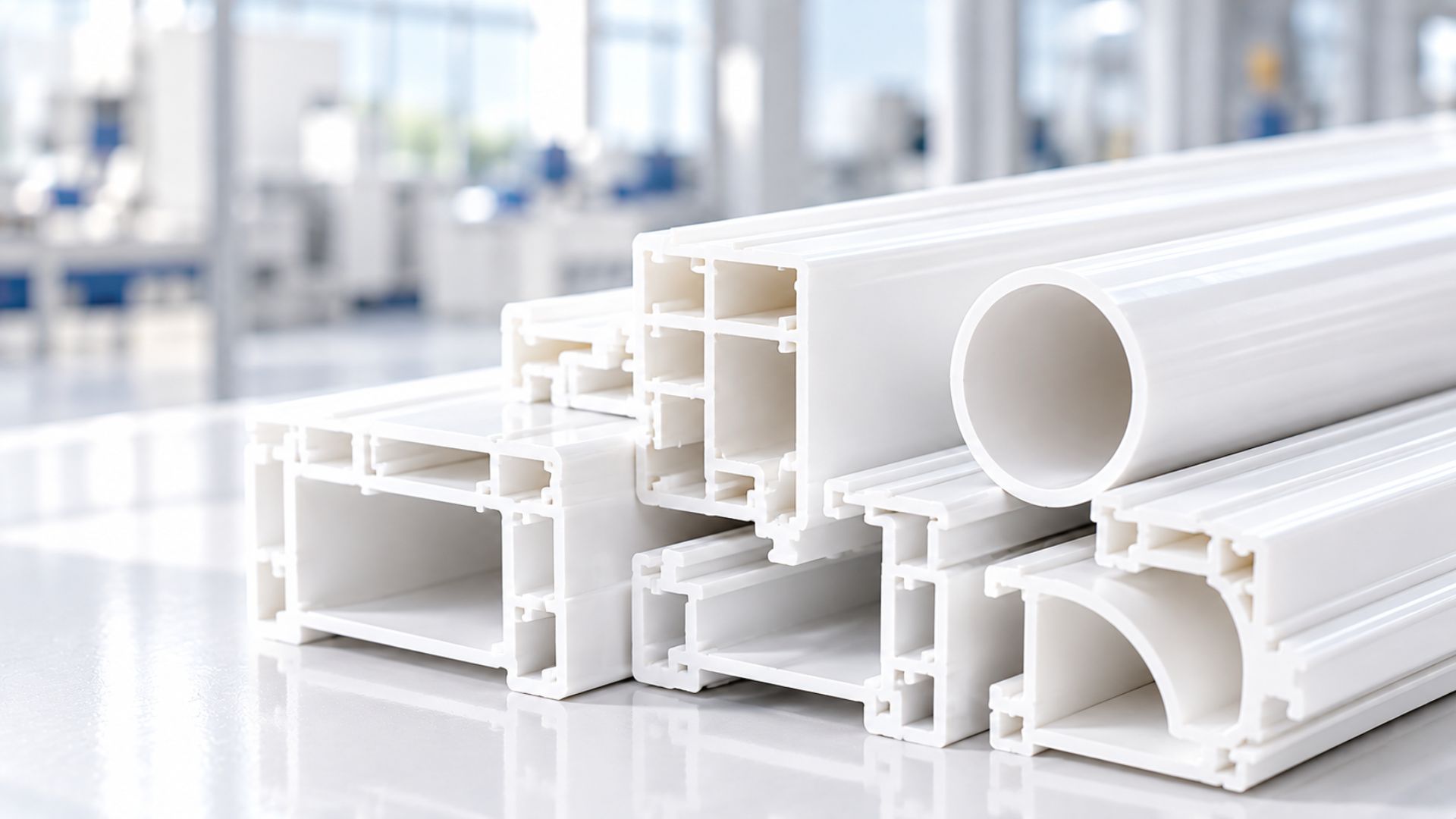
Lead stabilizer has historically been used in rigid PVC products such as pipes, fittings, conduits and profiles, as well as in certain flexible PVC cable formulations. These applications benefit from thermal protection during extrusion and, in some cases, long-term material stability. Actual use today varies significantly by country, application and regulatory framework, with many producers having transitioned to lead-free systems such as calcium-zinc stabilizers.
Lead Stabilizer vs Calcium-Zinc Stabilizer
Lead and calcium-zinc (Ca-Zn) systems perform the same fundamental function of protecting PVC against thermal degradation, but their chemistry and formulation behavior differ substantially. Direct replacement on a one-to-one dosage basis is therefore not always appropriate.
The choice between them should consider processing performance, formulation compatibility, end-use requirements and regulatory acceptance rather than thermal stability alone. This is particularly important when manufacturers are considering replacing Lead stabilizers in PVC extrusion with lead-free technologies.
Thermal Stability And Processing Performance
Lead stabilizer is known for robust long-term thermal stability and a relatively forgiving processing window in many traditional PVC formulations. This performance contributed to its extensive historical use in pipe and profile extrusion.
Modern Ca-Zn systems have improved considerably and can provide effective stabilization for many rigid and flexible PVC applications. Nevertheless, converting from a lead system to Ca-Zn may require adjustments to lubrication, processing aids, fillers or extrusion parameters to achieve the desired fusion and processing behavior.
Cost And Formulation Considerations
Comparing stabilizer technologies only by price per kilogram can be misleading. Stabilizer dosage, lubricant requirements, productivity, scrap rates, equipment conditions and other formulation changes all contribute to the effective cost per tonne of finished PVC.
Lead stabilizers formulation that have been optimized over many years may therefore require development work when converted to a Ca-Zn system. Conversely, regulatory access and reduced concerns regarding lead can make a lead-free formulation commercially necessary even if formulation costs differ.
Safety And Environmental Differences
The principal disadvantage of Lead stabilizer is the toxicity associated with lead compounds. Exposure to lead can present serious health and environmental risks, which has led to increasingly stringent controls on lead-containing materials and industrial exposure.
Calcium-zinc systems do not rely on lead compounds and are therefore widely used as lead-free alternatives. This distinction has become increasingly important for products intended for markets or applications with restrictions on hazardous substances.
Environmental And Regulatory Considerations
The environmental discussion about Lead stabilizers in PVC extrusion is now a major factor in determining whether they can be used in a particular PVC application. Regulatory requirements differ between countries and product categories, so manufacturers must evaluate the rules applicable to both the production location and the destination market.
Health And Environmental Concerns Of Lead Compounds
Lead is a toxic heavy metal, and exposure can affect human health. Industrial handling of lead-containing materials can create occupational exposure risks if dust, waste and process emissions are not adequately controlled.
Environmental concerns also extend beyond the production stage. Waste management, recycling and disposal of lead-containing PVC require careful consideration because the lead remains present in the material rather than disappearing after processing.
Restrictions On Lead-Based PVC Stabilizers
Restrictions on lead compounds have significantly changed stabilizer selection in the PVC industry. Requirements may arise from chemical regulations, product-specific standards, customer specifications or restrictions on hazardous substances.
The applicable rules are not identical across all markets. A manufacturer should therefore verify the current regulatory status of the specific lead compounds, finished PVC product and intended end-use market rather than assuming that one requirement applies globally.
Transition Toward Lead-Free PVC Stabilizers
The PVC industry has progressively adopted Lead-free stabilizer technologies, with Ca-Zn systems becoming important alternatives in many extrusion applications. Other stabilizer chemistries may also be used depending on the type of PVC product and required performance. This transition has directly reduced the use of Lead stabilizers in PVC extrusion in markets where lead-containing materials face regulatory or customer restrictions.
This transition does not mean that Lead stabilizer can simply be replaced with the same quantity of another stabilizer. Differences in stabilization mechanisms, lubrication and additive interactions often require reformulation and processing trials before a lead-free system can deliver comparable production performance.
How To Choose PVC Stabilizers For Extrusion
Selecting a stabilizer requires an assessment of the entire PVC formulation and extrusion process. Thermal stability is essential, but it must be balanced with fusion behavior, lubrication, appearance, mechanical performance, end-use requirements and regulatory compliance. The same principle applies when evaluating Lead stabilizers in PVC extrusion for a specific production line.
PVC Product And End-Use Application
The stabilizer requirement differs according to the finished product. A rigid pipe formulation, window profile and flexible cable compound can have very different resin grades, filler levels, plasticizer contents and processing conditions.
The required stabilizer system should therefore be selected for the specific application rather than for PVC extrusion in general. Service conditions such as outdoor exposure, operating temperature and expected product lifetime can also influence formulation requirements.
Processing Temperature And Thermal Stability
Processing temperature, residence time and shear determine how much thermal stress the PVC compound experiences. A formulation operating close to its degradation limit generally requires a stronger stabilization system or improved control of processing conditions.
Dynamic thermal stability under realistic processing conditions is particularly relevant. Laboratory screening can support stabilizer selection, but extrusion trials are important because actual equipment introduces thermal and mechanical conditions that simplified tests cannot fully reproduce.
Compatibility With Other PVC Additives
PVC compounds can contain calcium carbonate, titanium dioxide, processing aids, impact modifiers, lubricants, plasticizers and other functional additives. These ingredients influence fusion, rheology and processing behavior and can affect how the stabilizer performs.
For this reason, stabilizer evaluation should use a representative formulation. Changing the stabilizer while keeping an unsuitable lubrication or additive balance can produce misleading conclusions about the performance of the stabilizer itself.
Regulatory Requirements Of The Target Market
Regulatory compliance should be considered at the beginning of stabilizer selection rather than after formulation development. Requirements can vary according to destination country, product category and intended contact or exposure conditions.
Manufacturers supplying multiple markets may therefore prefer stabilizer systems that meet the requirements of their major destinations. Current regulations, technical standards and customer specifications should always be verified for the specific product before commercial production.
Conclusion
Lead stabilizer has played an important role in PVC extrusion because of its strong thermal stability, ability to control HCl-related degradation and reliable performance under demanding processing conditions. These characteristics explain its historical use in PVC pipes, profiles, conduits and cable compounds.
At the same time, the toxicity and environmental concerns associated with lead have fundamentally changed stabilizer selection. Lead-free technologies, particularly Ca-Zn systems, are increasingly used where regulatory, environmental or customer requirements restrict lead compounds. Choosing the appropriate PVC stabilizer therefore requires balancing processing performance, formulation compatibility, end-use requirements and regulatory compliance.
FAQs
1. Is Lead Stabilizer Still Used In PVC Extrusion?
Yes, lead stabilizer may still be used in some markets and applications. However, its use has declined substantially in markets where lead compounds are restricted or where manufacturers have adopted lead-free PVC formulations.
2. What PVC Products Use Lead Stabilizers?
Lead stabilizer has historically been used in PVC pipes, fittings, profiles, conduits and certain wire and cable compounds. Actual use depends on local regulations, product requirements and manufacturer formulation practices.
3. Is Calcium-Zinc Stabilizer Better Than Lead Stabilizer?
Neither system is universally better for every formulation. Lead stabilizer offers strong thermal performance, while Ca-Zn systems avoid the use of lead and can meet the requirements of many modern PVC applications. The appropriate choice depends on processing conditions, formulation performance, end use and regulatory requirements.