
PE wax is widely used in masterbatch production as it improves the fusion of PVC processing. However, the performance of PE wax depends on multiple technical factors, including viscosity, melting behavior, compatibility, dosage, and processing conditions. Understanding how PE wax functions in different masterbatch systems is important for optimizing processing efficiency and final product performance. Read the full blog from TLD Vietnam to explore the technical role of PE wax in modern masterbatch formulation.
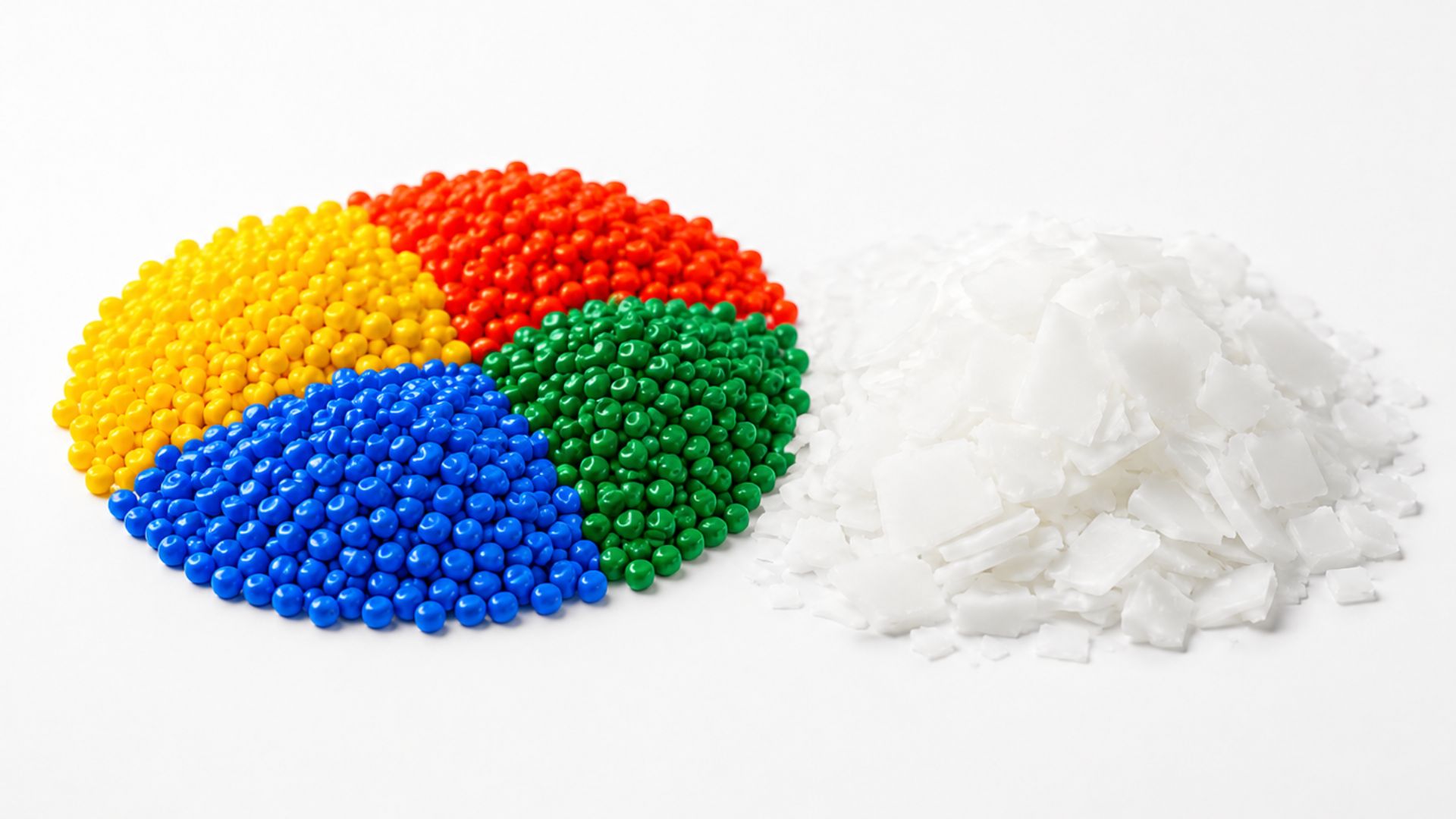
What Is PE Wax?
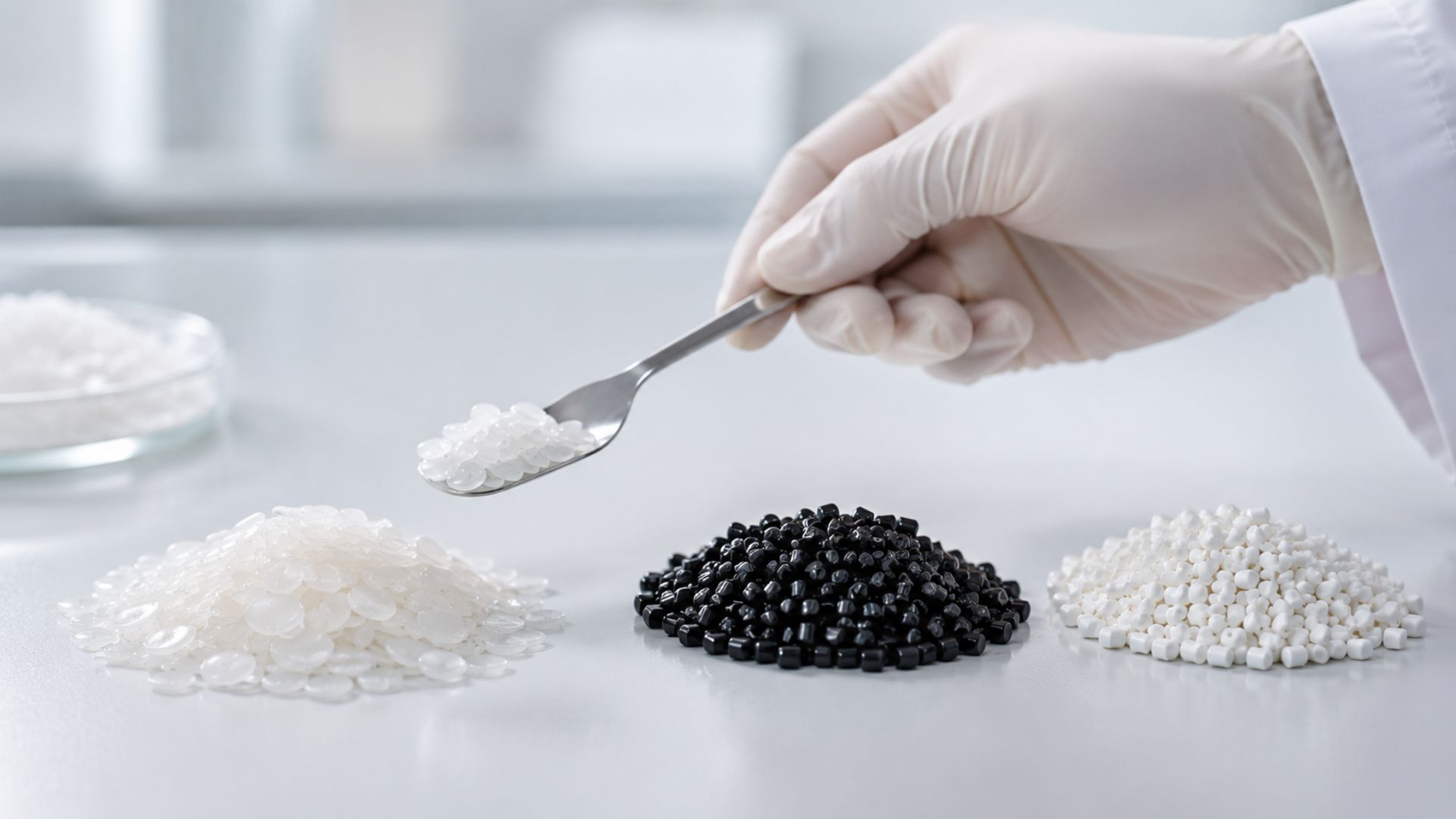
Polyethylene wax, commonly referred to as PE wax, is a low-molecular-weight polyethylene material used as a processing aid, lubricant, and dispersion support agent in many plastic compounding systems. Unlike conventional polyethylene resin, which is designed to form the main structural phase of a plastic product, PE wax has a much lower molecular weight, lower melt viscosity, and a more specific function in processing. It does not normally act as the primary polymer matrix. Instead, it modifies the flow behavior, lubrication balance, and dispersion efficiency of the formulation.
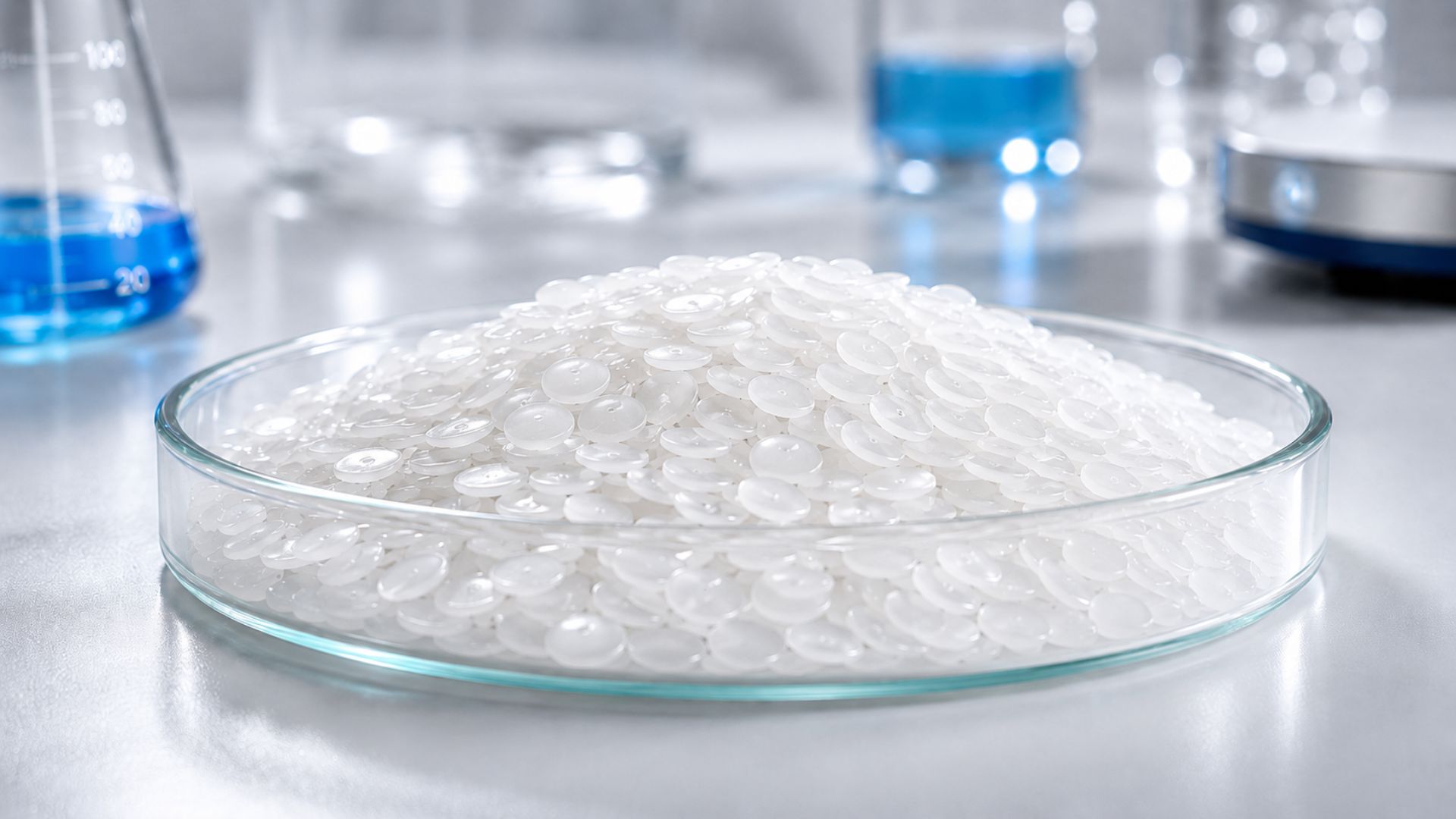
In masterbatch production, PE wax is mainly used to improve the interaction between polymer carriers, pigments, fillers, and additives during melt processing. Masterbatch formulations often contain a high concentration of solid particles, such as calcium carbonate, titanium dioxide, carbon black, organic pigments, inorganic pigments, flame retardants, or other functional additives. These solid particles can increase melt viscosity, raise extrusion torque, reduce dispersion uniformity, and create processing instability. PE wax helps reduce these problems by lowering friction, improving wetting, supporting particle separation, and enhancing the flow of the melt under shear.
Introduction To PE Wax In Masterbatch Formulation
The need for PE wax in masterbatch formulation comes from the technical difficulty of incorporating a large amount of solid material into a polymer carrier. A masterbatch is not a normal plastic compound with a low additive content. It is a concentrated system. In filler masterbatch, calcium carbonate or other mineral fillers may account for a very high proportion of the formulation. In color masterbatch, pigments are used at high concentration and must be dispersed finely to achieve stable color strength. In additive masterbatch, functional additives must be distributed evenly so that they can later perform effectively when diluted into the final resin.
Without proper lubrication and dispersion support, these concentrated systems become difficult to process. The melt may become too viscous. The extruder motor load may increase. Melt pressure may fluctuate. Pigments or fillers may remain in agglomerated form. Pellet quality may become inconsistent. In some cases, excessive friction can also cause localized overheating, degradation of sensitive additives, or unstable output during extrusion.
Key Physical And Chemical Properties Of PE Wax
The performance of PE wax in masterbatch depends strongly on its physical and chemical properties. These properties determine how the wax melts, how it flows, how it disperses, how it interacts with fillers or pigments, and how stable it remains under processing conditions.
Melting point and softening point
When selecting PE wax in masterbatch production, the melting point and softening point are among the first parameters considered. The melting point and softening point of PE wax are among the first parameters considered in masterbatch production. These values indicate the temperature range in which the wax changes from a solid or semi-solid state into a flowable material. In extrusion, the wax must melt at a suitable stage of the process. If it melts too late, it may not assist early wetting and dispersion effectively. If it melts too early and has very low viscosity, it may create excessive lubrication before sufficient shear is transferred to the solid particles.
In filler and pigment masterbatch, this balance is important. Dispersion requires both wetting and shear. PE wax helps wet the surface of the particles, but the formulation still needs enough mechanical force to break agglomerates. If the wax reduces internal friction too much, the shear force transmitted to pigment or filler clusters may decrease. This can lead to poor dispersion even though the formulation appears easier to process.
The softening point is also relevant because it reflects the temperature at which the wax begins to lose rigidity and contribute to flow. In practical extrusion, the wax does not act only at a single melting point. It gradually softens, melts, spreads, and participates in lubrication. Therefore, both melting behavior and softening behavior should be considered when selecting PE wax for a specific masterbatch process.
Viscosity and molecular weight distribution
For PE wax in masterbatch applications, viscosity directly affects lubrication strength, dispersion efficiency, melt flow, and processing stability. Viscosity directly affects lubrication strength, dispersion efficiency, melt flow, and processing stability. Low-viscosity PE wax can strongly reduce melt viscosity and improve flow. However, if the viscosity is too low, it may cause excessive lubrication, lower shear efficiency, and reduce the ability of the extruder to disperse pigments or fillers. High-viscosity PE wax may provide better compatibility and more controlled lubrication, but it may not reduce processing torque as effectively as a lower-viscosity wax.
Molecular weight distribution is closely related to viscosity. PE wax with a narrow molecular weight distribution tends to behave more predictably during melting and flow. PE wax with a broad molecular weight distribution may contain both low-molecular-weight and relatively higher-molecular-weight fractions. The low-molecular-weight fractions may improve lubrication but can also increase the risk of migration, blooming, odor, or plate-out. The higher-molecular-weight fractions may improve compatibility and thermal resistance but may reduce the wax’s ability to flow quickly around particles.
In masterbatch formulation, viscosity should be matched to the application. Color masterbatch often requires strong pigment wetting and fine dispersion, especially when carbon black or organic pigments are used. Filler masterbatch may require viscosity reduction and stable processing at high mineral loading. Additive masterbatch may require controlled distribution without excessive migration. Therefore, the “best” viscosity is not universal. It depends on the carrier resin, filler or pigment type, loading level, extrusion equipment, screw design, and final application.
Density and crystallinity
The density and crystallinity of PE wax in masterbatch can significantly influence compatibility, melting behavior, and processing performance. Density and crystallinity influence the hardness, melting behavior, compatibility, and structural behavior of PE wax. Higher crystallinity usually gives PE wax a more defined melting range, greater hardness, and stronger polyethylene-like character. This may improve compatibility with polyolefin carriers such as polyethylene and polypropylene. Lower crystallinity may create softer behavior and different lubrication characteristics.
Density can also provide an indirect indication of molecular structure. PE wax with higher density is often more linear and more crystalline. This type may be suitable for applications requiring a higher melting point, better thermal resistance, and stronger compatibility with polyolefin systems. PE wax with lower density or more branching may have different flow and softening behavior.
Functional Role Of PE wax In Masterbatch
The functional role of PE wax in masterbatch extends beyond simple lubrication and includes dispersion support, viscosity control, and processing optimization.
External lubrication
One of the primary functions of PE wax in masterbatch is reducing friction between the polymer melt and metal processing equipment. External lubrication refers to the reduction of friction between the polymer melt and metal surfaces, such as the screw, barrel, die, screen pack, or pelletizing components. In masterbatch extrusion, strong adhesion between the melt and metal surfaces can contribute to high pressure, die build-up, plate-out, and unstable output. PE wax can reduce this friction by forming a lubricating effect at the polymer–metal interface.
This function is especially useful in high-filler masterbatch and highly pigmented systems, where the melt may have poor flow and high surface friction. By improving slip at the metal interface, PE wax supports smoother extrusion and more stable pelletizing. It may also help reduce die deposits when the formulation is properly balanced.
Pigment and filler dispersion
One of the most important functions of PE wax in masterbatch is its contribution to pigment and filler dispersion. Solid particles in masterbatch tend to form agglomerates because of surface energy, particle-particle attraction, moisture, and mechanical compression during handling. These agglomerates must be broken down and distributed evenly in the polymer carrier.
PE wax assists dispersion by improving wetting and reducing interparticle friction. When the wax melts, it can spread over the surface of fillers or pigments and help the polymer phase penetrate between particles. This improves the separation of particles under shear. In color masterbatch, better dispersion can improve color strength, shade consistency, opacity, and speck reduction. In filler masterbatch, better dispersion can improve processing stability, surface smoothness, and the performance of the final plastic product.
The dispersion effect depends strongly on the compatibility between the wax and the particle surface. Non-polar PE wax is usually compatible with polyolefin carriers, but it may have limited interaction with highly polar filler or pigment surfaces. Oxidized PE wax or modified PE wax may provide stronger interaction with some inorganic surfaces due to the presence of polar groups. However, polarity must also be balanced with compatibility in the polymer matrix. Too much polarity may reduce compatibility with non-polar polyolefins.
Reduction of melt viscosity
The use of PE wax in masterbatch can significantly reduce apparent melt viscosity in highly loaded formulations. This is particularly useful in highly loaded systems where fillers or pigments significantly increase viscosity. Lower melt viscosity can improve extrusion output, reduce energy consumption, lower melt pressure, and make pelletizing more stable.
The viscosity reduction effect is influenced by wax dosage, wax viscosity, molecular weight, melting behavior, and compatibility. A lower-viscosity wax often has a stronger viscosity-reducing effect, but it may also increase the risk of over-lubrication. A higher-viscosity wax may provide more moderate flow improvement and better compatibility.
In practice, viscosity reduction should not be evaluated only by observing whether the compound flows more easily. The final dispersion quality must also be checked. A formulation that flows easily but contains poorly dispersed pigment or filler is not technically successful. For this reason, torque, melt pressure, dispersion testing, pellet appearance, and final product performance should be evaluated together.
Improvement of processing flow
Properly selected PE wax in masterbatch formulations contribute to smoother processing flow and more stable extrusion performance. Better flow can make masterbatch production more stable and easier to control. The material may pass through the extruder more smoothly, pressure variation may decrease, and output may become more consistent.
In film, injection molding, blow molding, raffia, pipe, and profile applications, the flow behavior of the final diluted compound can also be affected by the masterbatch formulation. If PE wax is properly selected, it can help the masterbatch disperse more easily into the final resin during secondary processing. If PE wax is excessive or incompatible, it may affect surface properties, printability, sealing behavior, or mechanical performance.
Processing flow must therefore be considered at two stages: masterbatch production and final product manufacturing. A formulation that works well during masterbatch extrusion may not always be ideal for the final application. For example, a wax level that gives excellent pelletizing may create surface slip or printability problems in film. This is why application-based validation is necessary.
Prevention of agglomeration
Another important benefit of PE wax in masterbatch is helping prevent particle agglomeration during compounding and extrusion. Agglomeration is a common technical issue in concentrated masterbatch systems. Pigments, fillers, and additives may cluster together before or during processing. If these clusters are not broken down, they may appear as specks, streaks, weak points, or uneven distribution in the final product.
PE wax helps reduce agglomeration by improving particle wetting and reducing particle-particle friction. Once particles are separated under shear, wax can help limit their tendency to re-agglomerate. This is particularly important in high-concentration pigment masterbatch, carbon black masterbatch, titanium dioxide masterbatch, and calcium carbonate filler masterbatch.
PE Wax Dosage In Masterbatch Formulation
The optimal dosage of PE wax in masterbatch formulation must be carefully determined according to processing and application requirements. The required dosage depends on filler or pigment loading, carrier resin compatibility, processing conditions, and end-use application. Both insufficient and excessive wax can negatively affect processing efficiency and product quality.
Key variables influencing PE wax dosage
Several factors influence the required amount of PE wax in masterbatch, including filler loading, resin compatibility, and processing conditions. Higher filler or pigment loading usually requires more lubrication and dispersion support. Difficult-to-disperse materials such as carbon black or high-loading calcium carbonate systems often demand more effective wax performance. Carrier resin compatibility also plays an important role, as PE wax is generally more compatible with polyethylene-based systems than with polar polymers or engineering plastics.
Processing conditions such as screw design, shear intensity, and extrusion temperature can also influence dosage requirements. In addition, final application requirements, including surface appearance, mechanical strength, printability, and flow behavior, must be considered during formulation optimization.
Dosage differences between filler, color, and additive masterbatch
In filler masterbatch, PE wax helps reduce melt viscosity, improve filler wetting, and stabilize extrusion. In color masterbatch, its primary role is to improve pigment dispersion and color consistency. In an additive masterbatch, PE wax supports uniform additive distribution and processing stability while helping control compatibility within the system.
Risks of improper PE wax dosage
Insufficient PE wax may lead to high torque, poor dispersion, unstable extrusion, and inconsistent pellet quality. Excessive dosage may cause over-lubrication, plate-out, surface blooming, reduced mechanical strength, and compatibility problems in the final product.
Therefore, PE wax dosage should be optimized to balance lubrication efficiency, dispersion quality, and final application performance.
Conclusion
PE wax in masterbatch plays an important role in improving lubrication, dispersion, melt flow, and extrusion stability. However, the effectiveness of PE wax in masterbatch depends on selecting the appropriate wax characteristics, dosage, and processing conditions.