
PVC brittleness is one of the most common challenges in PVC processing, affecting impact resistance, product durability, processing stability, and long-term performance. From insufficient impact modifiers and excessive filler loading to poor fusion, thermal degradation, and improper lubricant balance, many factors can contribute to brittle PVC products. In this blog, TLD Vietnam will explore the main causes of PVC Brittleness, common signs of brittle PVC products, and practical solutions to improve toughness in both rigid and flexible PVC applications.
What Is PVC Brittleness?
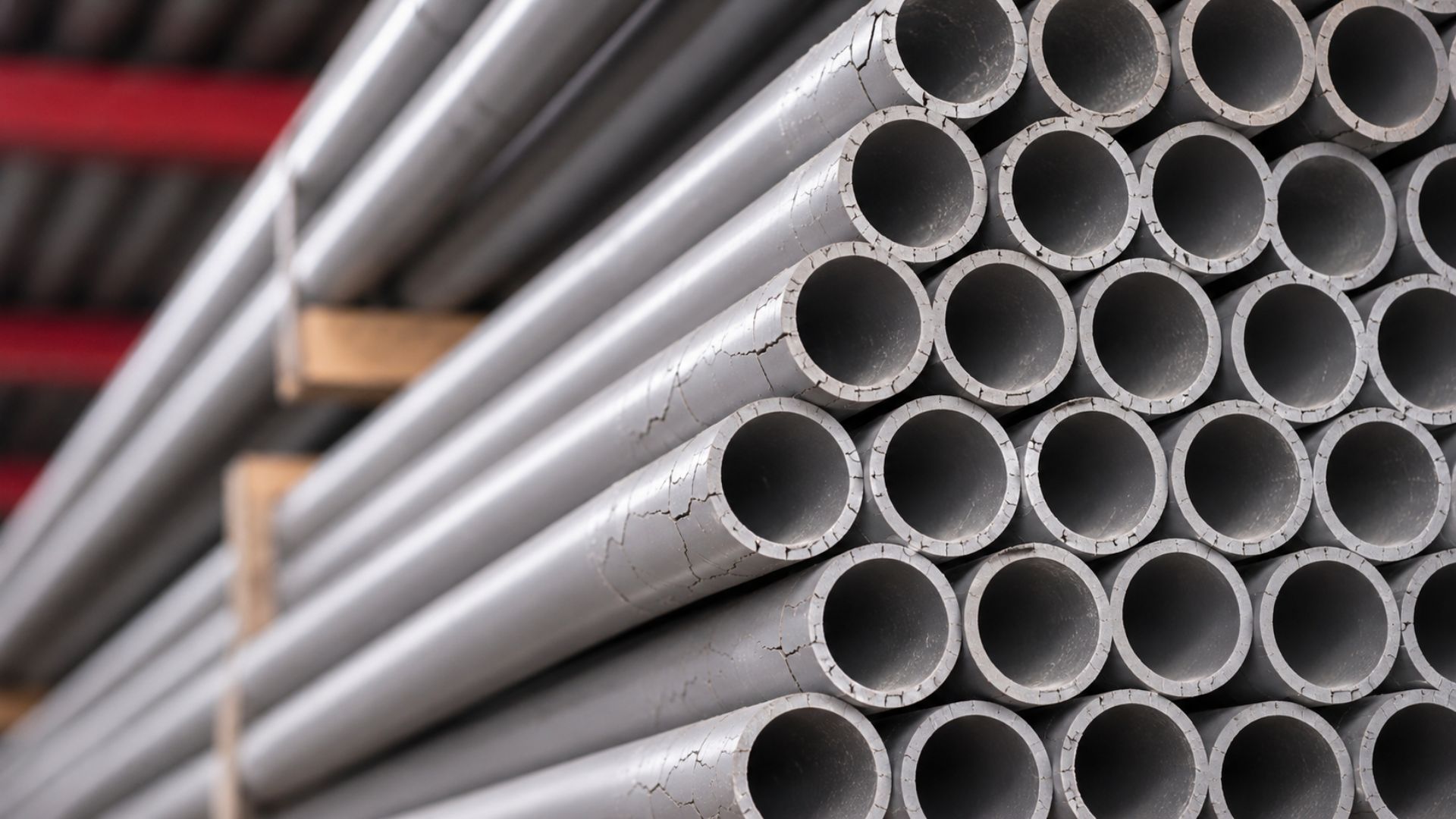
PVC brittleness refers to the tendency of Polyvinyl Chloride (PVC) products to crack, break, split, or lose impact resistance under mechanical stress. In practical terms, a brittle PVC product may look normal in shape and surface appearance, but it fails when subjected to impact, bending, cutting, installation stress, low temperature, or long-term service conditions.
Brittleness is not always caused by one single problem. In most PVC formulations, it is the result of several interacting factors, including resin selection, filler loading, impact modifier content, fusion quality, thermal stability, lubricant balance, and processing conditions. This is why solving PVC brittleness requires a formulation and processing view rather than a simple additive adjustment.
PVC can be naturally rigid or flexible depending on the formulation. Rigid PVC, such as pipes, fittings, profiles, and sheets, depends heavily on impact modifiers, proper fusion, and controlled filler use to achieve toughness. Flexible PVC, such as cable compounds, films, artificial leather, and flooring, relies more on plasticizer content, resin-plasticizer compatibility, and low-temperature flexibility. Therefore, the meaning of brittleness must always be considered together with the final application.
Why Brittleness Matters In PVC Applications
Brittleness directly affects product safety, durability, installation performance, and customer acceptance. In rigid PVC pipes and fittings, poor impact strength may lead to cracking during transportation, cutting, installation, or pressure testing. In PVC profiles and window frames, brittleness can cause corner cracking, poor screw-holding strength, and reduced resistance to outdoor aging.
In cable compounds, insufficient flexibility may lead to insulation cracking, especially during bending or at low temperatures. PVC brittleness also increases scrap rate and quality inconsistency. A product may pass dimensional checks but still fail mechanical testing. This makes brittleness more difficult to detect than visual defects such as color change, surface roughness, or die lines. In many cases, brittleness becomes obvious only after downstream processing or field use.
Signs of Brittle PVC Products
Brittle PVC products often show cracking during cutting, punching, bending, installation, or impact testing. In rigid products, the fracture surface may appear sharp, clean, and glass-like, rather than ductile or stretched. This indicates that the material fails suddenly without absorbing much energy.
Another common sign is poor low-temperature performance. A product may behave acceptably at room temperature but crack easily in colder conditions. This is especially important for outdoor profiles, pipes, cable compounds, and films used in climates with large temperature variations.
Discoloration can also appear together with brittleness when thermal degradation is involved. Yellowing, dark spots, black specks, or an unstable color tone may suggest that the PVC has been overheated or insufficiently stabilized during processing. However, brittleness can also occur without an obvious color change, especially when the main causes are poor fusion, excessive filler loading, or insufficient impact modifier content.
Main Causes Of PVC Brittleness
Insufficient impact modifier content
Low dosage or improper selection of impact modifiers, such as CPE or ACR, is one of the most common causes of brittleness in rigid PVC. PVC has limited impact resistance, especially at low temperatures. Impact modifiers are added to improve toughness by helping the material absorb and dissipate impact energy instead of suddenly cracking.
CPE is widely used in PVC pipes, fittings, sheets, and profiles because it provides good impact modification and processability. ACR impact modifiers are also commonly used, especially when better weatherability, fusion support, or surface quality is required. However, the performance of an impact modifier depends not only on dosage but also on compatibility with the PVC resin, filler system, stabilizer system, and processing conditions.
If the dosage is too low, the impact modification effect may be insufficient. If the selected type is not suitable for the product or processing method, the modifier may not form the desired morphology in PVC. In this case, the product can remain stiff and brittle even though an impact modifier has already been added.
Excessive filler loading
Calcium carbonate is widely used in PVC formulations to reduce cost, improve dimensional stability, increase stiffness, and modify processing behavior. However, excessive filler loading can significantly reduce elongation and impact strength if the formulation is not properly balanced. When filler content is too high, the PVC matrix has less continuous polymer phase available to absorb stress. Under impact or bending, cracks can initiate more easily, especially around filler particles or areas with poor interfacial bonding.
This does not mean Calcium carbonate is always harmful to PVC toughness. In many formulations, Calcium carbonate can be used effectively without serious loss of performance. The key issue is dosage, particle size, surface treatment, dispersion quality, and compatibility with the formulation.
Poor filler dispersion
Poor filler dispersion is another important cause of brittleness. Even when the filler dosage is reasonable, uneven dispersion of Calcium carbonate or other fillers can create weak points in the PVC matrix. Agglomerated particles act as stress concentration points. When the product is impacted or bent, cracks often start from these weak areas.
Dispersion quality depends on filler characteristics, mixing efficiency, surface treatment, lubricant balance, and processing temperature. Fine Calcium carbonate particles can improve surface smoothness and mechanical balance when dispersed well, but if they agglomerate, they may reduce toughness instead of improving the formulation.
Surface-treated Calcium carbonate usually provides better compatibility with PVC and processing additives. Stearic acid coating, for example, can improve dispersion and reduce moisture-related issues. However, coating quality must also be controlled. Poorly treated filler or inconsistent filler quality can still create processing instability and mechanical weakness.
PVC resin
PVC resin selection has a strong influence on fusion behavior, mechanical properties, and final product toughness. Resin K-value, particle structure, porosity, molecular weight distribution, and batch consistency can all affect processing and performance.
For rigid PVC, resin with an unsuitable K-value may lead to poor fusion, weak melt strength, or insufficient mechanical performance. A resin grade that works well for one application may not be suitable for another. For example, PVC pipes, profiles, films, and cable compounds may require different resin characteristics because their processing methods and performance requirements are different.
Low-quality or inconsistent resin can also cause unstable fusion and mechanical variation between batches. In practice, this may appear as inconsistent impact strength, unstable extrusion behavior, or products that become brittle even when the formulation remains unchanged. Therefore, resin quality should not be evaluated only by price or general specification. It must be assessed based on processing behavior and final product performance.
Poor fusion
Poor fusion is one of the most underestimated causes of PVC brittleness. During processing, PVC particles must be sufficiently fused to form a strong and continuous structure. If fusion is incomplete or uneven, the product may contain weak internal regions that reduce impact strength and elongation.
Thermal degradation
PVC is sensitive to heat. During processing, overheating, long residence time, high shear, dead zones in equipment, or insufficient thermal stabilization can cause degradation. Thermal degradation can reduce molecular integrity, create discoloration, release hydrogen chloride, and weaken the mechanical performance of the final product.
Brittleness caused by thermal degradation is often accompanied by yellowing or unstable color. However, early-stage degradation may not always be visually obvious. The product may still appear acceptable but show reduced impact strength or poor long-term durability.
Thermal stabilization is therefore essential in PVC processing. Stabilizer systems must be selected based on the application, processing temperature, regulatory requirements, and expected service conditions. Lead stabilizers, Calcium-zinc stabilizers,, and other systems each have different performance characteristics. The stabilizer must provide enough heat stability during processing while also supporting long-term product performance.
Improper lubricant balance
Lubricants are necessary in PVC processing, but an improper lubricant balance can indirectly increase brittleness. If external lubrication is too strong, fusion may be delayed or incomplete. This can lead to weak internal structure and lower impact resistance. If internal lubrication is insufficient, melt flow may become poor, processing temperature may rise, and degradation risk may increase.
Solutions To Reduce PVC Brittleness
Impact modifiers
Impact modifiers (IMs) are additives added to PVC formulations to improve impact resistance and reduce brittleness.
ACR
ACR (Acrylic impact modifiers) are widely used in rigid PVC applications that require high weather resistance and good surface quality. They provide excellent low-temperature impact strength while maintaining good heat resistance and UV durability. Because their refractive index is close to PVC, they can also support better transparency and surface gloss in finished products.
However, acrylic impact modifiers are generally more expensive than other impact modifiers. Depending on the formulation, they may also slightly affect transparency.
CPE
CPE (Chlorinated Polyethylene) is one of the most common impact modifiers used in PVC processing. With a typical chlorine content of around 35%, CPE has good compatibility with PVC compounds. It significantly improves impact strength and toughness while also increasing product flexibility and elasticity.
In addition to impact performance, CPE offers good flame resistance due to its high chlorine content. It also provides strong resistance to oils, acids, alkalis, and other chemicals. Furthermore, CPE helps improve aging resistance, allowing PVC products to better withstand UV exposure and harsh weather conditions.
Calcium carbonate filler
For formulations containing Calcium carbonate, the filler system should be reviewed carefully. The first question is whether the filler loading is appropriate for the performance requirement. A formulation designed mainly for low cost may contain too much filler to achieve high impact resistance. In that case, brittleness is a predictable result, not an unexpected defect.
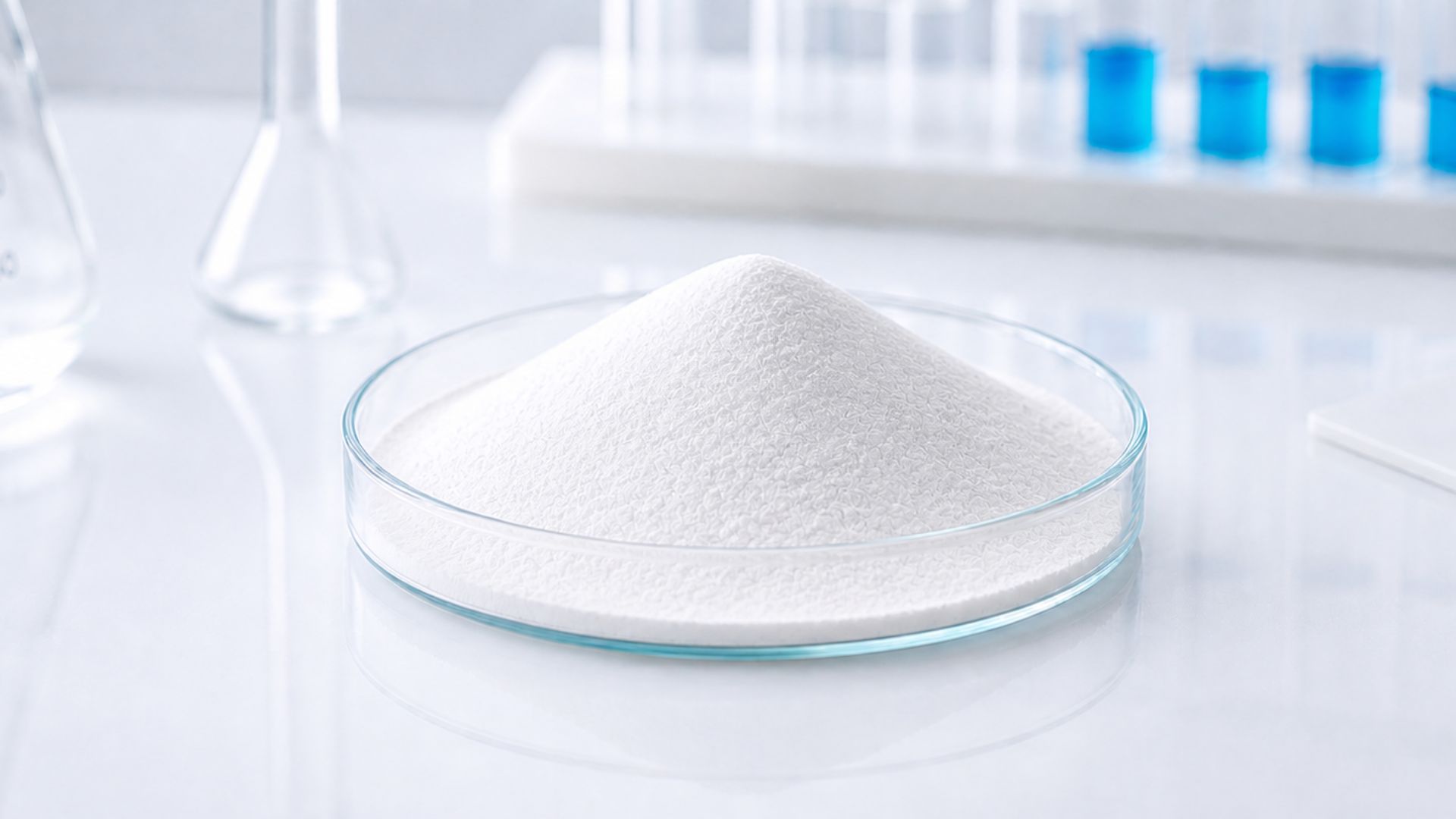
The second question is filler quality. Particle size distribution, whiteness, moisture content, surface treatment, and dispersion behavior all matter. Fine and well-treated Calcium carbonate can support better surface quality and dispersion, but it must still be used within a suitable dosage range.
PVC resin
PVC resin should be selected according to application requirements. For rigid PVC, the resin must provide suitable fusion behavior, melt strength, and mechanical performance. For flexible PVC, resin porosity and plasticizer absorption are also important.
If brittleness appears after changing resin supplier or resin grade, the resin should be treated as a major variable. Even when the K-value looks similar, differences in particle morphology, porosity, and fusion behavior can affect processing. A resin that fuses too slowly may cause poor internal structure. A resin that processes unstably may increase the risk of degradation or inconsistent impact strength.
The best approach is to evaluate resin through both processing trials and mechanical testing. Specification data alone is not enough to predict performance in a specific formulation.
Thermal stabilization: PVC Stabilizers
An effective stabilizer system is essential for preventing thermal degradation during processing.
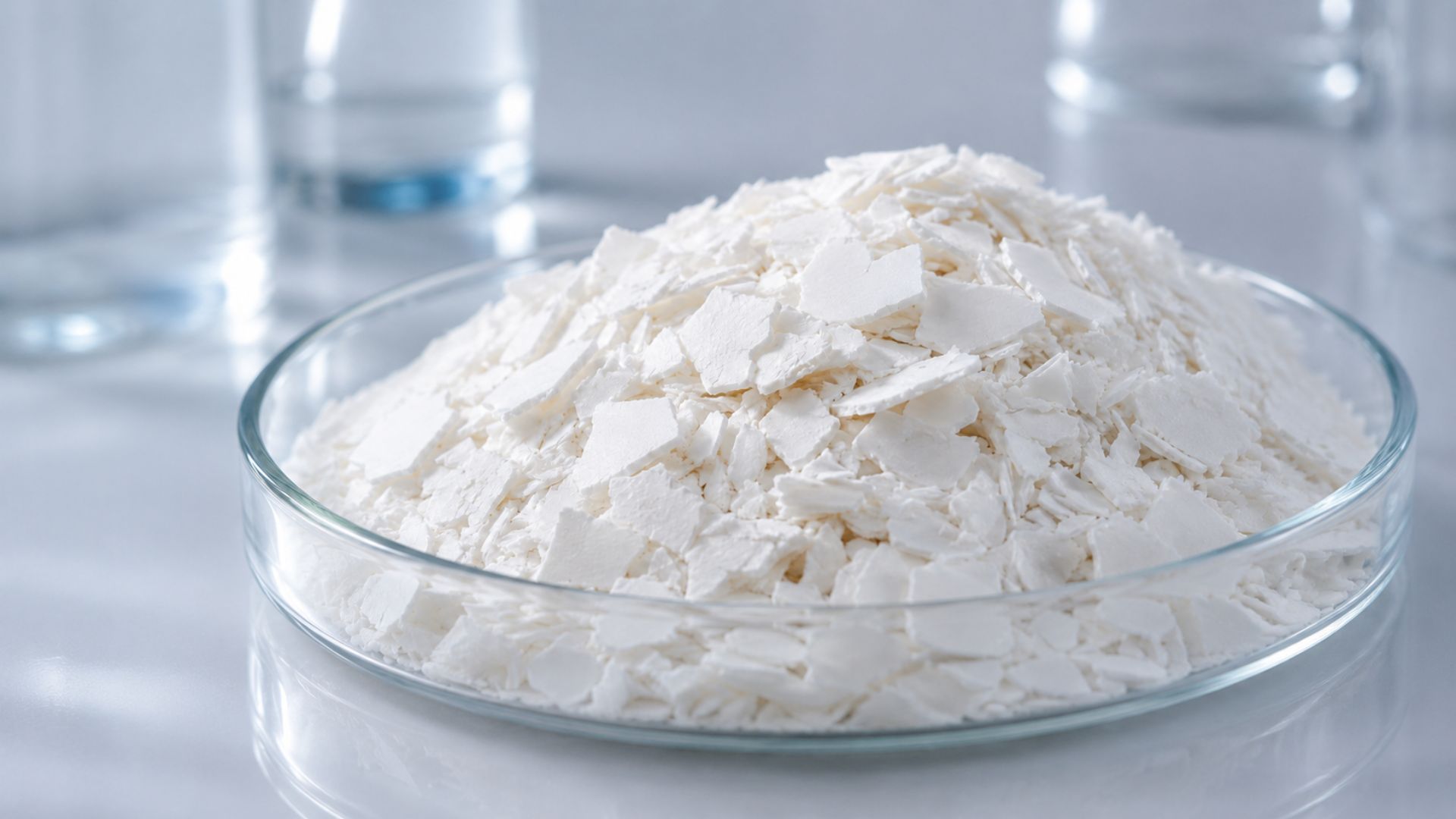
Lead stabilizers have historically been used in many rigid PVC applications because of strong heat stability and processing tolerance. Calcium-zinc stabilizers are widely used where environmental, regulatory, or non-lead requirements are important.
Lubricant Balance: Metallic Stearates and Other Lubricants
Metallic stearates such as Calcium stearate and Zinc stearate can influence lubrication. Other lubricants, including paraffin wax, polyethylene wax, also affect melt behavior and metal release.
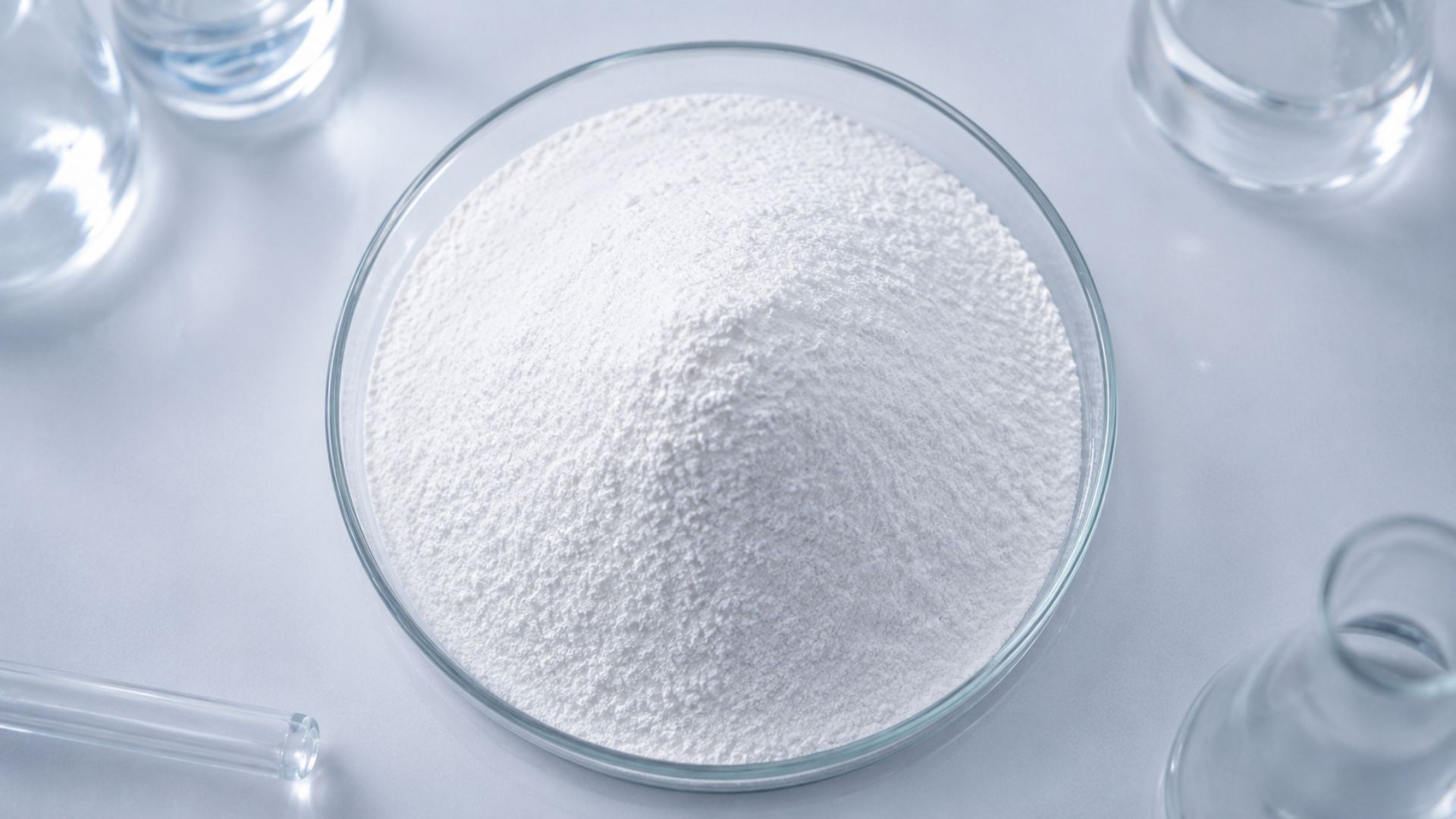
If fusion is delayed, the formulation may contain too much external lubricant or the lubricant system may not match the resin and filler package. If the melt becomes too hot or unstable, internal lubrication, stabilizer performance, or processing conditions may need adjustment.
A good lubricant system should allow smooth processing without preventing proper fusion. This is a technical balance. A formulation that runs easily on the machine is not always the formulation with the best mechanical properties. Sometimes excessive lubrication improves the production appearance but weakens the internal structure of the product.
Common PVC Applications Affected By Brittleness
PVC brittleness can affect many rigid and flexible PVC products, such as pipes, fittings, profiles, cable compounds, films, sheets, flooring, and artificial leather. Although these products are used in different applications, the failure pattern is generally similar: the material becomes less able to absorb stress and is more likely to crack, or break during processing, transportation, or long-term use.
In rigid PVC products, brittleness is often linked to poor impact resistance, insufficient impact modifier, excessive filler loading, poor fusion, thermal degradation, or improper lubricant balance. In flexible PVC products, it is more commonly related to insufficient plasticizer, plasticizer migration, low-temperature hardening, filler overload, or heat aging.
Therefore, PVC brittleness should be evaluated based on the overall formulation and processing conditions, rather than only by product type.
How to Reduce PVC Brittleness In Formulation
Reducing PVC brittleness starts with identifying the real cause. If the formulation has insufficient impact modifier, the solution may be to adjust the type or dosage of CPE, ACR, or another suitable modifier. If filler loading is excessive, the solution may require reducing filler content, improving filler quality, or increasing impact modification. If the issue is poor fusion, the solution may involve lubricant adjustment, processing aid selection, temperature optimization, or resin change.
A good formulation should not maximize one component at the expense of the entire system. More filler reduces cost but can reduce toughness. More lubricant improves flow but can delay fusion. More stabilizer improves heat resistance but may affect processing balance depending on the system. More impact modifier improves toughness but increase cost and may affect rigidity or processing behavior.
The most practical method is to adjust one major variable at a time and measure the result using mechanical tests. Impact strength, tensile elongation, heat aging, low-temperature flexibility, and processing stability should be evaluated together. Visual appearance alone is not enough.
Common Mistakes When Solving PVC Brittleness
One common mistake is assuming that brittleness can always be solved by adding more impact modifiers. This approach may work when the modifier dosage is truly insufficient, but it will not fully solve problems caused by poor fusion, severe degradation, poor filler dispersion, or unsuitable resin.
Another mistake is increasing filler content without rebalancing the formulation. Calcium carbonate affects stiffness, fusion, lubrication demand, melt behavior, and impact strength. A higher filler loading usually requires adjustment of the impact modifier, lubricant, stabilizer, and processing parameters.
A third mistake is focusing only on processing temperature. Raising the temperature may improve fusion, but it can also increase the degradation risk. Lowering the temperature may reduce degradation, but it can worsen fusion. The correct solution is to control melt quality, not simply to raise or lower the temperature.
Another serious mistake is ignoring lubricant balance. In PVC, lubricants are not only processing aids. They control fusion behavior and melt development. Excessive external lubrication can create a product that processes smoothly but performs poorly in impact testing.
At TLD Vietnam, our experienced technical team is always ready to support customers in identifying the root causes of PVC brittleness and optimizing formulations for different applications. With strong expertise in PVC processing and compounding, we provide customized solutions tailored to specific production requirements, helping manufacturers improve both processing efficiency and final product performance.
In addition to technical consultation, TLD Vietnam also manufactures and supplies a wide range of raw materials for the PVC industry, including Calcium Carbonate, PVC Resin, Impact Modifiers, Lubricants, Heat Stabilizers, and other processing additives to support stable and efficient production.
Conclusion
PVC brittleness is usually caused by an imbalance in formulation and processing rather than a single material defect. Factors such as impact modifier dosage, filler loading, fusion quality, resin selection, stabilizer system, lubricant balance, and processing conditions all affect PVC toughness and impact resistance.
To reduce brittleness effectively, manufacturers must optimize the entire PVC formulation system to achieve stable processing, better durability, and long-term product performance.