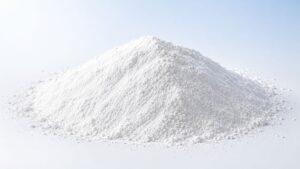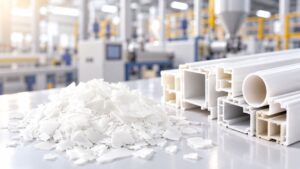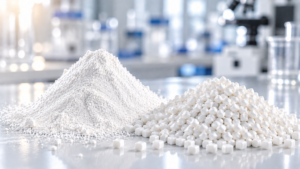

PP resin used in nonwoven applications must meet specific processing requirements to achieve stable fiber formation and consistent fabric properties. Differences in melt flow behavior, molecular weight distribution, and crystallization characteristics can affect spinning conditions and fiber development. This article by TLD Vietnam explains the key material parameters manufacturers should consider when comparing PP resin grades for nonwoven production.
What Is PP Resin For Nonwoven Fabric?
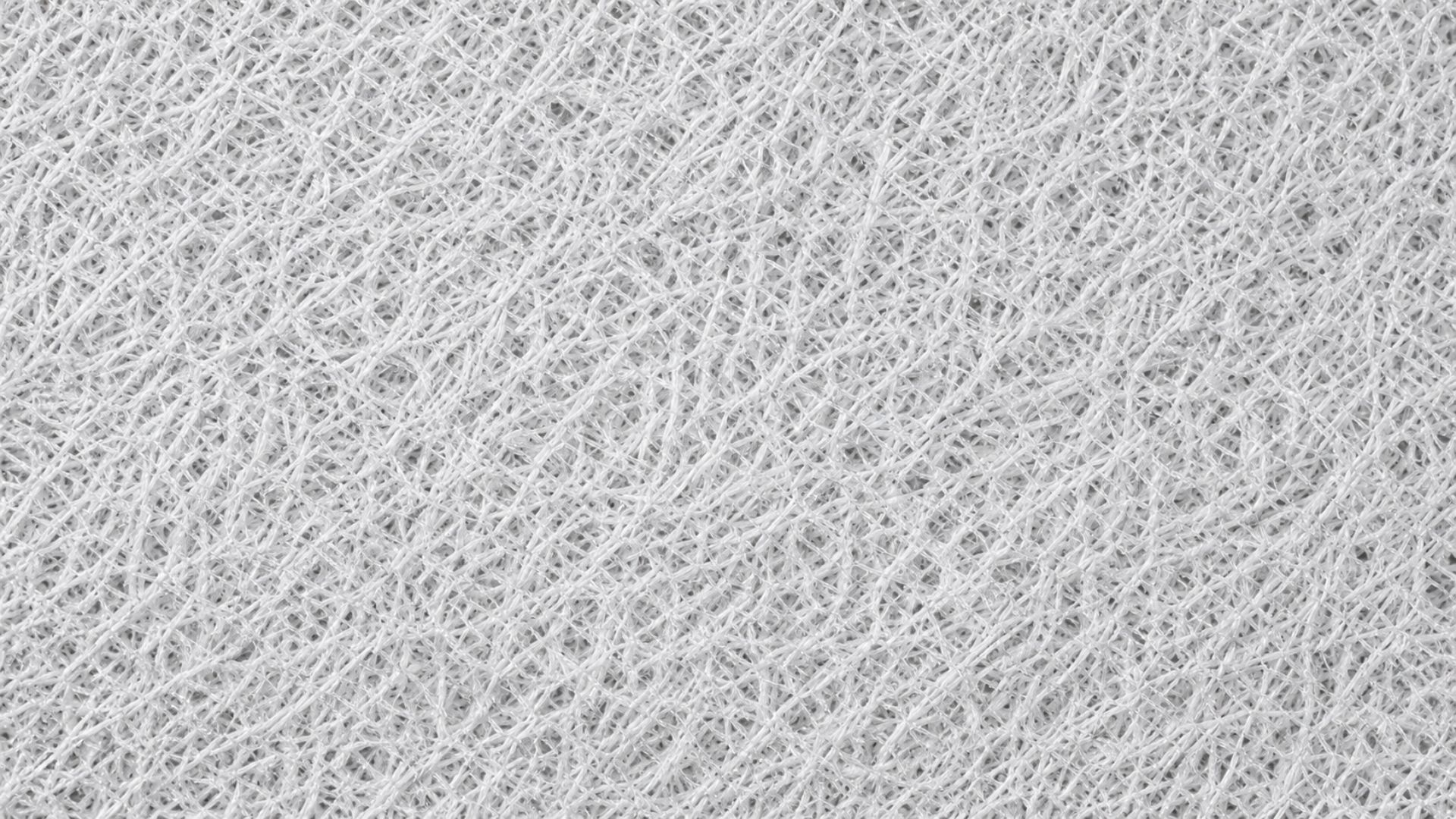
PP resin for nonwoven fabric is Polypropylene for conversion into fibers that are collected and bonded into a fabric. Unlike woven textiles, nonwovens do not require yarns to be interlaced. Their structure develops through fiber formation, web deposition, and bonding, so the behavior of the polymer during each stage directly affects the finished material.
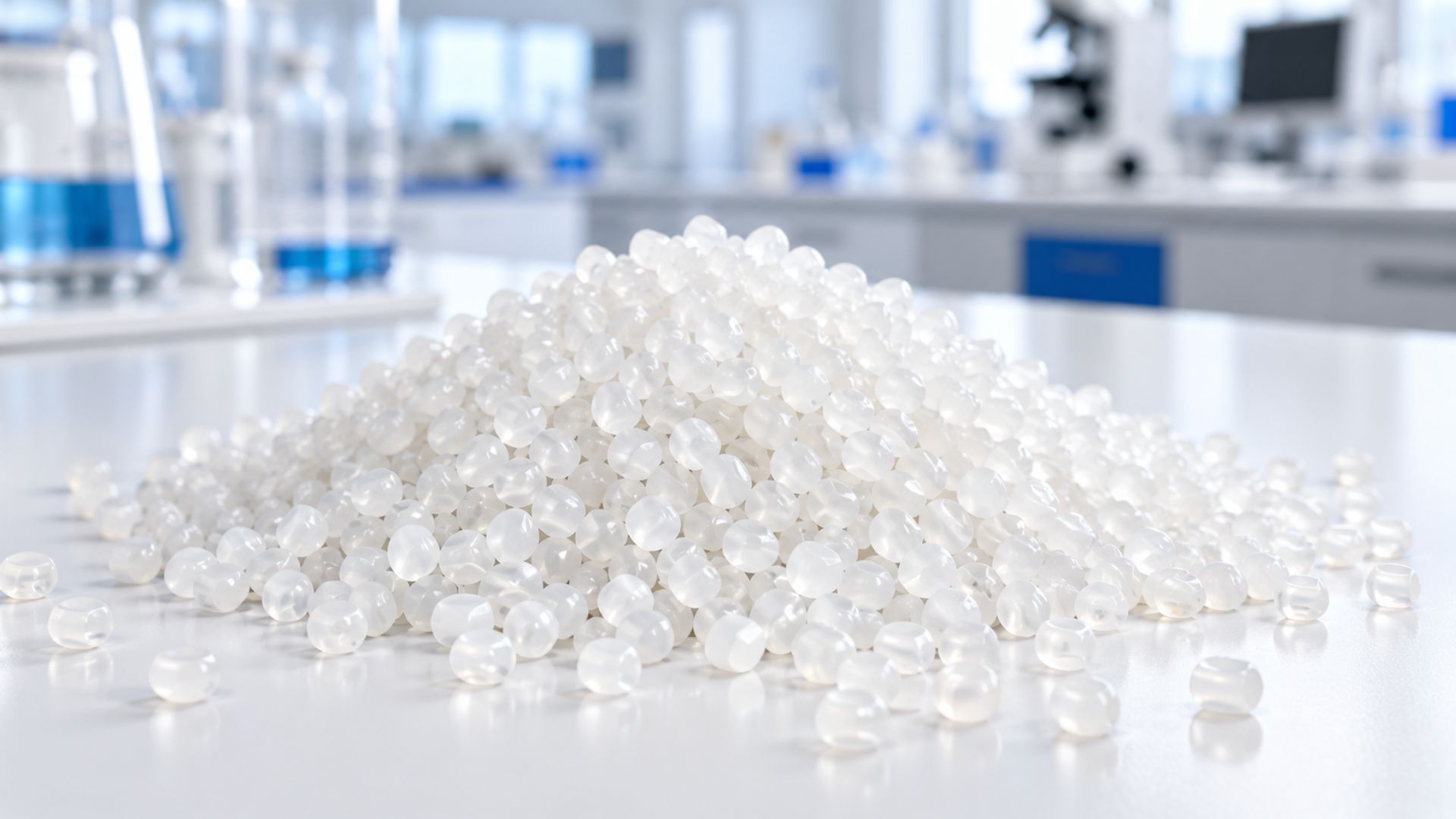
Many conventional nonwoven grades are PP homopolymers. Their molecular structure, flow properties, and additive systems are selected to support particular processing conditions. The term “nonwoven grade” therefore describes an intended application rather than a single specification that applies to every production line or fabric.
Why PP Is Used To Make Nonwoven Fabric
PP combines low density with the ability to form fibers of useful strength. Its low density means a given mass of material can provide a relatively large volume of fiber, supporting lightweight fabric construction. As a thermoplastic, it can also be softened and bonded using heat, allowing fiber production and fabric consolidation to operate within an integrated manufacturing process.
Its low moisture absorption is useful where the fabric must remain dimensionally stable in humid conditions or resist water uptake. However, moisture absorption and liquid movement through a fabric are different properties. Water can pass through the spaces between fibers even when the fibers themselves absorb very little, depending on pore structure, surface wettability, and applied pressure.
This distinction matters in hygiene products. Some layers must allow liquid to pass quickly, while others must resist penetration. PP provides the underlying fiber structure, but surface treatments and fabric design determine how each layer handles liquid. The polymer alone does not provide every function required by the finished product.
How Nonwoven Grades Differ From Other PP Grades
In fiber production, molten polymer passes through small openings and is stretched before it solidifies. The material must flow sufficiently while maintaining stable fiber formation. This combination differs from injection molding, where the primary task is filling a cavity, or sheet extrusion, where the melt forms a continuous section rather than many fine fibers.
A defining consideration for PP resin for nonwoven fabric is therefore its behavior during both flow and stretching. Melt flow rate provides an initial indication, but molecular weight distribution and crystallization behavior also matter. ExxonMobil, for example, identifies narrow molecular weight distribution as a feature supporting uniform, fine fibers in a dedicated spunbond grade.
Two grades with similar melt flow values should not automatically be treated as interchangeable. Their additives, molecular characteristics, and thermal behavior may differ. Substitution should consider the supplier’s intended application and the fabric produced under practical operating conditions.
Key Properties Of PP Resin For Nonwoven Fabric
Melt Flow Rate And Fiber Formation
Melt flow rate, commonly abbreviated as MFR, measures how much molten polymer passes through a standard opening during a specified time under a defined temperature and load. For PP, a commonly reported condition is 230°C with a 2.16 kg load. Values can only be compared meaningfully when the measurement conditions are equivalent.
A higher MFR generally indicates lower melt viscosity under the test conditions. This can make the polymer easier to draw into fine fibers, particularly in meltblown production. However, MFR is a single laboratory measurement; it does not fully describe the material’s response to the changing flow and stretching conditions inside a production line.
The MFR requirements of PP resin for nonwoven fabric vary substantially by process. Spunbond production forms continuous filaments that must withstand drawing, while meltblown production uses high-velocity air to produce much finer fibers. Commercial examples include a spunbond grade with an MFR of 36 g/10 min and a meltblown grade at 925 g/10 min, measured under the same stated temperature and load. These are grade examples, not universal operating limits.
Selecting the highest available MFR is not a reliable route to better fabric. Excessively low viscosity may be unsuitable for the intended drawing conditions, and the resulting material may not deliver the required mechanical properties. The useful value is the one that works with the process, equipment, and fabric specification.
Resin Purity And Stable Production
Fine fiber production is sensitive to contamination because particles and polymer irregularities can disturb flow through filters and spinneret openings. Gels, foreign material, or poorly dispersed additives may create thick sections, broken filaments, or visible defects. As fiber diameter decreases, a small defect can become significant relative to the fiber itself.
Evaluating PP resin for nonwoven fabric therefore requires attention to cleanliness as well as flow. A material may meet its MFR specification yet still cause problems if contamination is present. Rising filter pressure, frequent spinneret cleaning, and recurring fabric defects can provide practical evidence that a cleanliness issue needs investigation.
The source is not always the resin as delivered. Open bags, dusty conveying systems, contaminated blending equipment, or residues from a previous material can introduce foreign matter. Troubleshooting should examine the complete material path before attributing every defect to the polymer grade.
Heat Stability During Processing
PP is exposed to heat, oxygen, and mechanical stress during extrusion. If exposure becomes excessive, polymer chains can break, changing melt viscosity and potentially contributing to odor or discoloration. A material that flows differently after prolonged residence may no longer form fibers as consistently as it did at the beginning of the run.
The stabilization system in PP resin for nonwoven fabric helps limit degradation during the intended processing cycle. Its effectiveness still depends on operating conditions. Excessive melt temperature, long residence time, and stagnant material inside equipment can exceed what a suitable formulation is designed to tolerate.
Increasing temperature may temporarily reduce pressure or improve flow, but it can also accelerate degradation. When spinning becomes unstable, the investigation should consider temperature accuracy, throughput, residence time, and equipment condition together. Temperature adjustment should follow an identified cause rather than serve as the default response to every processing problem.
Consistent Resin Quality And Fabric Performance
Nonwoven production depends on maintaining a balance between extrusion, drawing, cooling, and web formation. Changes between resin batches can disturb that balance even when each batch falls within a broad commercial specification. The practical question is whether the variation remains small enough for the line to produce acceptable fabric consistently.
For example, a change in melt behavior may require different drawing conditions, while a change in crystallization behavior may affect how fibers respond to cooling and bonding. These effects can appear as fluctuations in fabric strength or uniformity rather than an obvious failure at the extruder.
Batch qualification should connect incoming material data with production results. Recording resin batch numbers alongside filter pressure, spinning interruptions, fabric weight variation, and mechanical test results helps distinguish material variation from equipment or process variation. A dependable grade is one that produces predictable results across repeated deliveries.
How PP Resin Affects Nonwoven Fabric Quality
Fiber Fineness And Fabric Uniformity
Fiber fineness influences the number of fibers present at a given fabric weight. Finer fibers generally provide more total fiber length and surface area for the same mass of polymer. This can improve coverage, but the benefit depends on how evenly those fibers are distributed across the web.
The role of PP resin for nonwoven fabric is to support stable attenuation, meaning the stretching of the melt into fibers. Resin properties work together with polymer throughput, airflow, spinneret design, and cooling. A grade capable of fine fiber formation may still produce uneven fabric if the fibers are deposited inconsistently.
Fabric Strength And Softness
Fabric strength develops at two levels: within the fibers and at the points that connect them. Drawing aligns polymer chains and contributes to fiber strength, while thermal bonding transfers forces between fibers. Strong individual fibers cannot compensate fully for weak bonding, just as aggressive bonding cannot repair a poorly formed web.
Softness depends on fiber flexibility, fabric thickness, bonding pattern, and the proportion of the surface held in bonded areas. Finer fibers often bend more easily, but a fabric made from fine fibers may still feel stiff if bonding is excessive. Strength and softness must therefore be evaluated in the finished fabric rather than inferred from resin data alone.
When assessing PP resin for nonwoven fabric, the bonding conditions deserve particular attention. Insufficient heat may leave weak connections, while excessive heat and pressure can flatten or damage the structure. The objective is a usable bonding range that achieves strength without unnecessarily sacrificing softness or elongation.
Direction also matters. Fibers often show preferential alignment during web formation, so tensile strength in the machine direction may differ from strength across the width. Comparing grades without checking both directions can conceal a weakness that becomes important during converting or use.
Filtration Performance
Filtration depends on how particles interact with the fiber network. Fibers capture particles through several mechanisms, including interception, inertial effects, and diffusion. In electret filters, stored electrical charge provides an additional capture mechanism, allowing effective filtration without relying entirely on a very dense structure.
Choosing PP resin for nonwoven fabric for filtration therefore involves more than achieving small fiber diameters. Web uniformity, thickness, pore structure, and charge retention all influence performance. Research on PP meltblown materials also shows that additives, processing conditions, and corona charging interact in determining filtration behavior.
Filtration efficiency must be considered alongside pressure drop, which indicates resistance to airflow. Making a web denser may improve particle capture while making breathing or air movement more difficult. The desired structure achieves the required capture performance at an acceptable resistance under the specified test conditions.
Performance after conditioning can be as important as the initial result. Heat, humidity, and storage conditions may affect charged filtration media. Testing should reflect the intended product requirements, including relevant aging or conditioning procedures, rather than relying solely on measurements taken immediately after production.
How To Choose The Right PP Resin For Nonwoven Fabric
Match The Grade To The Production Process
The first step is to identify how the fibers will be produced and what role they will serve. Spunbond grades must support continuous filament formation and drawing. Meltblown grades must support fine fiber formation under high-velocity airflow. A grade suited to one process should not be assumed suitable for the other.
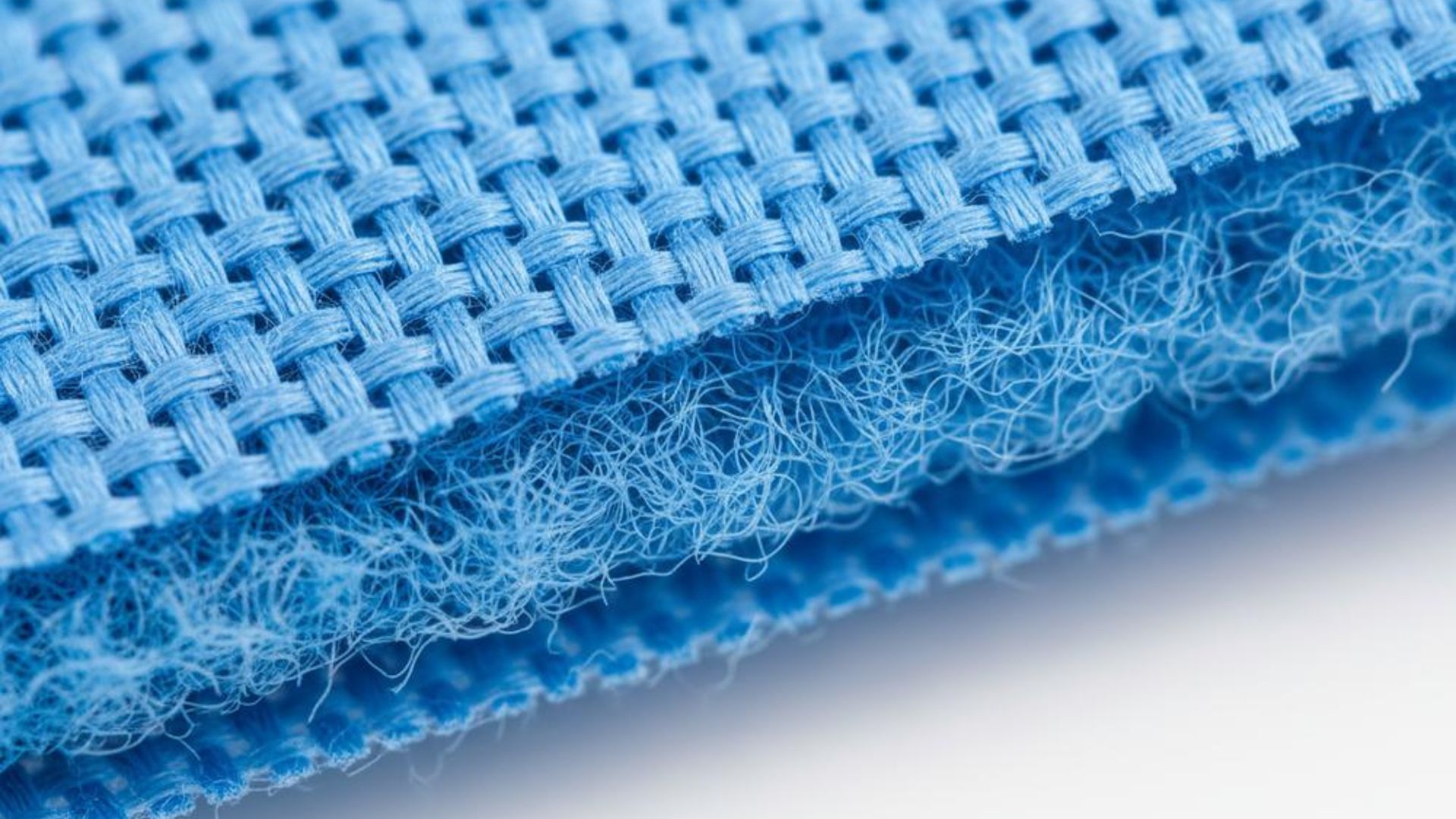
For SMS structures, meaning spunbond-meltblown-spunbond, each layer has a different function. The outer spunbond layers commonly provide support and handling strength, while the meltblown layer contributes fine pores and filtration or barrier performance. Resin selection should reflect those separate functions rather than impose one specification on the entire structure.
The equipment supplier’s recommendations provide a useful starting point for selecting PP resin for nonwoven fabric. Extruder design, die configuration, drawing capability, and intended output all influence the workable material range. A supplier’s application label narrows the options, but compatibility must still be established on the actual line.
Define The Required Fabric Properties
Selection becomes more precise when the fabric requirements are measurable. “Soft fabric” or “high strength” leaves too much room for interpretation. A useful specification identifies fabric weight, tensile strength in both directions, elongation, and any necessary liquid-handling, airflow, or filtration properties.
The requirements should also reflect converting conditions. A fabric may pass laboratory strength testing but tear during slitting, stretching, welding, or assembly. Understanding these stresses helps identify whether the problem requires stronger fibers, improved bonding, a different web structure, or changes to downstream processing.
Comparisons must use equivalent fabric conditions. A heavier sample may appear stronger simply because it contains more material. Keeping fabric weight and test procedures consistent makes it easier to identify what the resin actually contributes.
Compare Supplier Specifications
The technical data sheet should be read as a description of the grade, not a complete prediction of production performance. Confirm the intended process, MFR test conditions, and available thermal or mechanical data. Where relevant, request information on additives, contamination control, and restrictions concerning the intended application.
Distinguish typical values from guaranteed supply limits. A typical value describes representative material, while an agreed specification establishes acceptance criteria. A certificate of analysis reports selected batch results, but it may not cover every characteristic that matters to fine fiber production.
When comparing PP resin for nonwoven fabric, missing information should become a question for the supplier rather than an assumption. If two grades share the same MFR, ask what distinguishes their molecular structure, stabilization, or processing recommendations. These differences may explain why their spinning or bonding behavior is not identical.
Confirm Performance Through Production Trials
A useful trial starts with clear acceptance criteria and a documented reference condition. Record the existing grade, output, temperatures, pressures, drawing conditions, bonding settings, and fabric properties. This creates a baseline against which the candidate material can be judged.
Allow the line to reach stable conditions before collecting representative samples. Material remaining from the previous grade can distort early results, while temperature and pressure may take time to stabilize. Samples should represent the width of the fabric and more than one point during the run.
Begin with a controlled comparison, then optimize within the supplier’s recommended range. This separates the question of direct substitution from the question of achievable performance after adjustment. Documenting both is useful because a material that performs well only within a very narrow operating range may be difficult to use consistently.
Finally, assess operating performance alongside fabric results. Filter life, spinning interruptions, waste, and achievable output affect the practical value of a grade. The relevant comparison is the cost of producing acceptable fabric reliably, including material losses and downtime.
Main Applications Of PP Nonwoven Fabric
In hygiene products, PP nonwovens serve different functions within the same article. A skin-contact layer may require softness and rapid liquid passage, while a protective layer may need resistance to liquid penetration. Surface treatments and web construction adapt the material to these roles; untreated PP’s resistance to wetting should not be confused with the liquid-handling behavior of the finished fabric.
Medical fabrics require performance appropriate to the intended use, which may include liquid barrier properties, strength, and compatibility with a specified sterilization method. A general nonwoven grade does not automatically establish suitability for a medical product. The resin, additives, fabric construction, and finished article must be assessed together against the applicable requirements.
Masks and filtration media commonly combine supporting layers with finer filtration layers. Shopping bags and furniture fabrics place greater emphasis on handling strength, abrasion resistance, and converting performance. Agricultural covers add exposure to sunlight and weather, making UV stabilization and retained properties over time important selection factors.
Conclusion
PP resin for nonwoven fabric should be selected through an understanding of fiber formation, web structure, and the demands of the finished product. MFR helps identify potentially suitable grades, but purity, molecular characteristics, thermal stability, and batch consistency determine whether that suitability translates into reliable production.
The strongest selection process connects supplier information with controlled production evidence. A suitable grade should deliver the required fabric properties within a practical operating range, across repeated batches, and with manageable waste and downtime. That is a more reliable measure of material suitability than any single specification.
FAQs
1. What Type of PP Is Commonly Used for Nonwoven Fabric?
PP homopolymer is widely used. Specific grades are developed for processes such as spunbond and meltblown, with properties matched to their different fiber-forming conditions.
2. Is Higher MFR Always Better for Nonwoven Production?
No. Higher MFR generally means lower melt viscosity, but the appropriate value depends on the process and equipment. Excessively high flow may compromise stable processing or required properties.
3. Can Two PP Grades With the Same MFR Be Interchanged?
Not automatically. Molecular weight distribution, additives, purity, and thermal behavior can differ. Production trials are needed to establish practical equivalence.
4. Does PP Resin Need Drying Before Processing?
PP is generally non-hygroscopic and normally does not require drying like moisture-sensitive polymers. Surface moisture or condensation should still be addressed according to supplier guidance.
5. Does Meltblown PP Guarantee a Filtration Rating?
No. A filtration rating depends on the finished material or product, including fiber structure, charging, and construction. It must be established through the relevant testing.