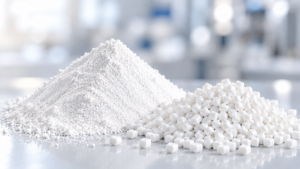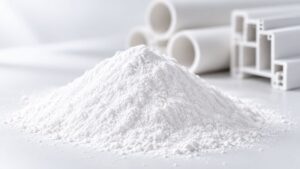

Rigid PVC is widely used in pipes, profiles, sheets, panels, siding, fencing, and many molded products because it offers good chemical resistance, dimensional stability, processability, and cost efficiency. However, unmodified rigid PVC has a natural limitation: it can become brittle under impact, low temperature, outdoor exposure, or mechanical stress. This is where ACR Impact Modifier plays an important role. In this blog, TLD Vietnam explains how ACR Impact Modifier improves PVC toughness and durability.
What Is ACR Impact Modifier?
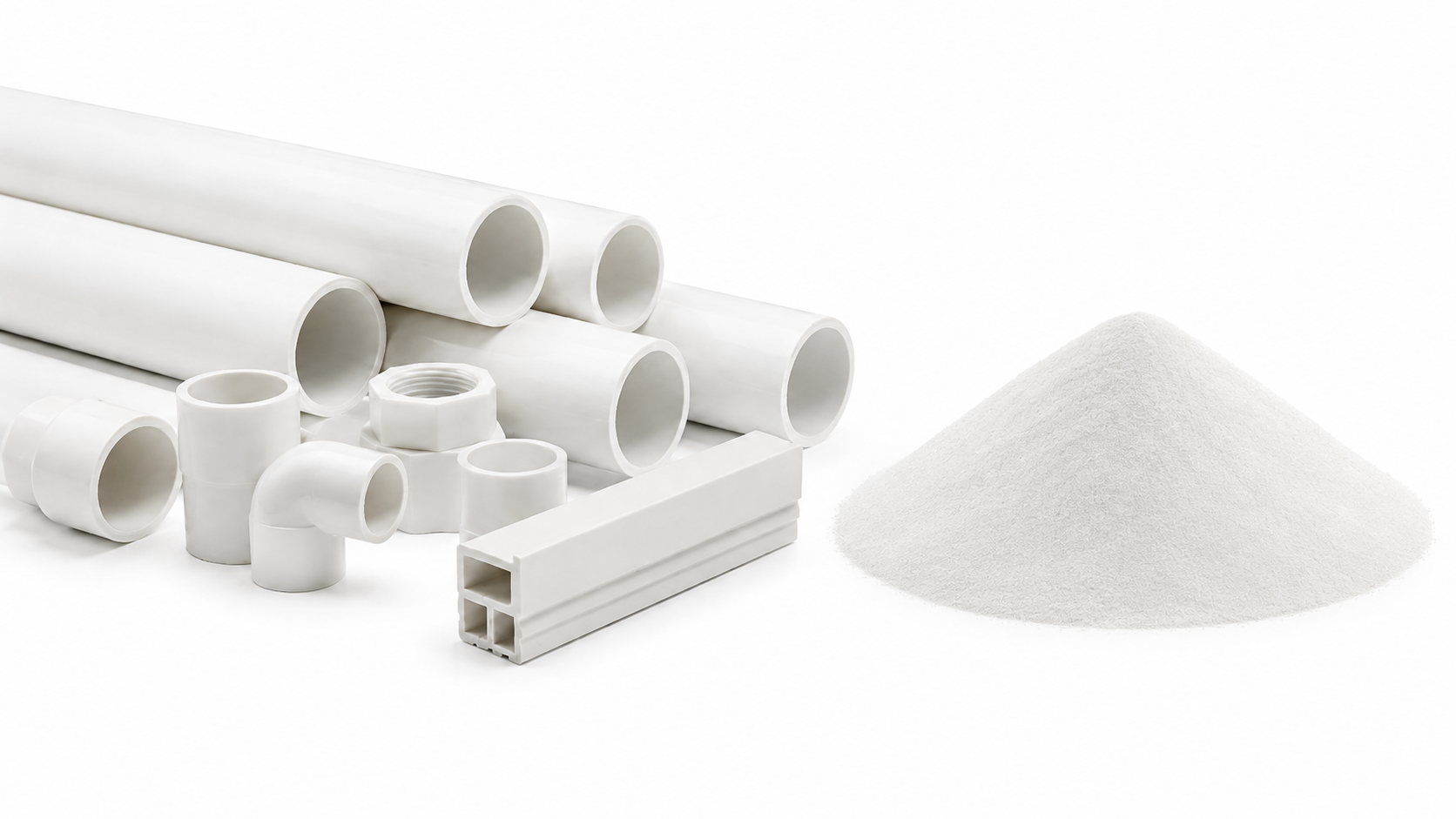
ACR Impact Modifier, also known as ACR impact modifier, is a polymeric additive used mainly in rigid PVC systems to improve impact strength and toughness. It is commonly used in outdoor and semi-outdoor PVC applications where the product must maintain mechanical performance under changing temperatures, sunlight, and physical stress.
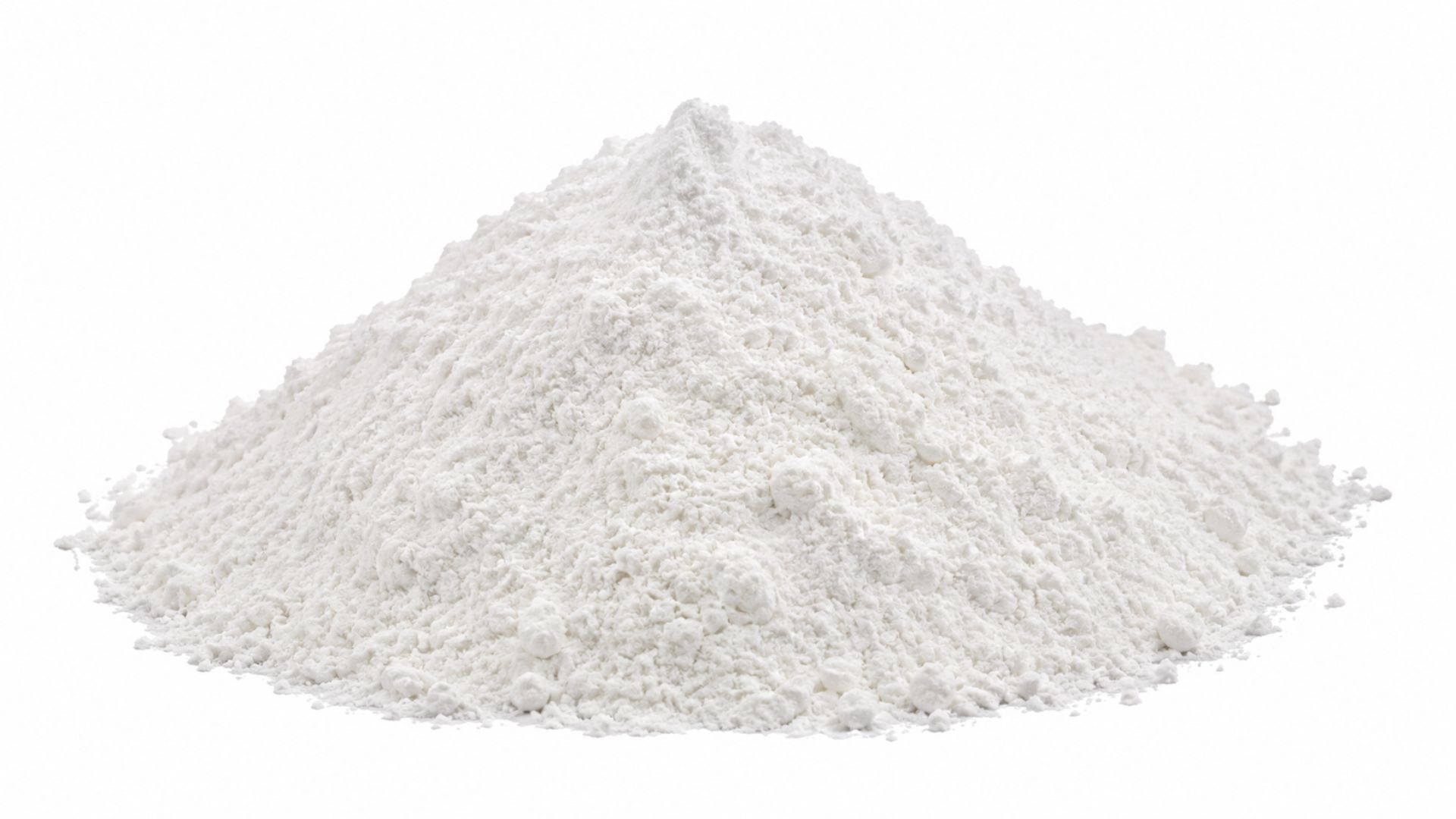
Unlike some additives that only support processing, ACR Impact Modifier directly affects the mechanical behavior of the finished PVC product. Its main function is to help PVC absorb and dissipate impact energy instead of breaking suddenly. This makes the material less brittle and more resistant to cracking under external force.
In practical terms, ACR impact modifier acts as a toughening agent. When force is applied to the PVC product, the modifier helps distribute stress more evenly and reduces the chance of sudden crack propagation. This is especially important for products that must withstand installation pressure, handling impact, temperature changes, or outdoor service conditions.
Chemical Composition And Structure
ACR Impact Modifier is generally based on ACR polymers such as methyl methacrylate, butyl acrylate, or other acrylate monomers. The exact composition depends on the product grade, target application, and required performance. Many commercial ACR impact modifiers are designed with a core-shell structure.
The core is usually a rubbery phase that provides elasticity and impact absorption. The shell is typically a harder ACR phase that improves compatibility with PVC resin and supports dispersion during processing. This combination allows the modifier to be well distributed in the PVC matrix while still providing a flexible phase that can absorb impact energy.
The balance between the rubbery core and the compatible shell is critical. If the modifier has good elasticity but poor compatibility, it may not disperse well in PVC. If it has good compatibility but insufficient rubbery phase, the impact improvement may be limited. Therefore, the chemical design of ACR Impact Modifier directly affects its performance in rigid PVC formulations.
Difference Between ACR Processing Aid And ACR Impact Modifier
ACR Processing aid and ACR Impact Modifier are both ACR-based additives used in PVC, but their functions are different.
Processing aid ACR is mainly used to improve fusion, melt strength, flow behavior, surface smoothness, and processing stability. It helps PVC resin particles fuse more efficiently during extrusion, calendering, or injection molding. Its role is primarily related to processing behavior rather than final impact strength.
ACR Impact Modifier, on the other hand, is designed to improve the toughness and impact resistance of the finished PVC product. It changes the way the PVC matrix responds to external force. Although some impact modifier grades may also slightly influence processing, their main purpose is mechanical reinforcement against impact failure.
In formulation design, these two additives should not be treated as interchangeable. A processing aid cannot fully replace an impact modifier when the product requires high toughness, and an impact modifier cannot always provide the same fusion control as a dedicated processing aid. For high-quality rigid PVC products, both may be used together depending on the processing method and performance requirements.
Why PVC Needs Impact Modification
PVC has many useful properties, but rigid PVC can be brittle if it is not properly modified. Its molecular structure gives it stiffness and chemical resistance, but also limits its ability to absorb sudden mechanical energy. Without impact modification, rigid PVC products may crack or break when exposed to impact, low temperature, or long-term stress.
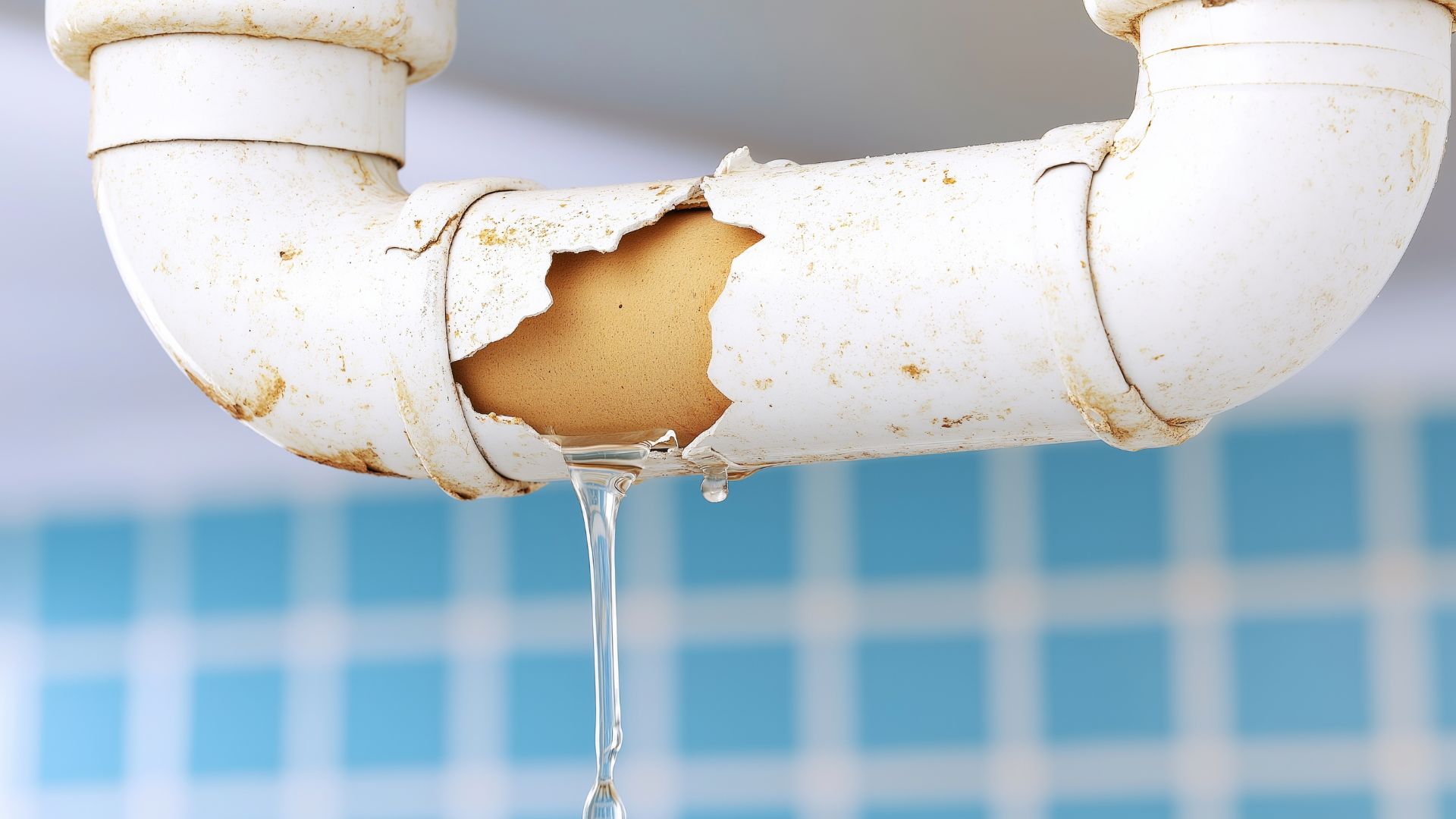
Impact modification is therefore essential for many rigid PVC applications. It improves product reliability, reduces breakage, and helps PVC maintain performance under real conditions.
Brittleness challenges in rigid PVC
Rigid PVC is naturally stiff. This stiffness is useful for pipes, profiles, boards, and construction materials because it provides dimensional stability and load-bearing capability. However, stiffness alone is not enough. A material that is too rigid without sufficient toughness may fail suddenly when impacted.
Brittleness becomes more serious at low temperatures. When the temperature drops, polymer chain mobility decreases, and the material becomes less able to deform under stress. This means that a PVC product that performs acceptably at room temperature may become more fragile in cold environments.
Brittleness can also appear when the formulation is not balanced. Excessive filler loading, poor fusion, insufficient lubrication control, weak resin quality, or inadequate stabilizer performance can all reduce impact resistance. In such cases, ACR Impact Modifier helps compensate for the mechanical weakness by increasing toughness within the PVC structure.
Environmental and mechanical stress on PVC Products
PVC products are often used in environments where they are exposed to sunlight, temperature changes, pressure, vibration, moisture, and physical handling. Pipes may face ground movement, installation stress, or internal pressure. Window profiles may face wind load, sunlight, and seasonal temperature variation. Foam boards, sheets, and panels may experience cutting, drilling, nailing, transportation impact, or bending stress.
These conditions create both environmental and mechanical challenges. Outdoor exposure may gradually reduce material toughness if the formulation lacks weather-resistant components. Mechanical stress may cause microcracks to form and expand. Over time, these small defects can lead to visible cracking, impact breakage, or product deformation.
ACR Impact Modifier helps improve resistance to these stresses by allowing the PVC matrix to absorb energy more effectively. It does not make PVC flexible like plasticized PVC, but it improves the toughness of rigid PVC while maintaining its structural character.
Common Failure Issues Without Impact Modifiers
Without sufficient impact modification, rigid PVC products may show several common failure problems. These failures are often linked to brittleness, poor stress distribution, and insufficient resistance to impact energy.
Cracking
Cracking is one of the most common problems in unmodified or poorly modified rigid PVC. It may occur during extrusion, cutting, drilling, installation, or service life. Cracks often begin at weak points, sharp corners, stress concentration areas, or poorly fused regions.
Once a crack starts, brittle PVC may allow it to propagate quickly. ACR Impact Modifier helps slow crack growth by changing the fracture behavior of the PVC matrix. Instead of breaking suddenly, the material can absorb more energy before failure.
Low-temperature brittleness
Low-temperature brittleness is a major concern for PVC products used outdoors or in cold regions. At low temperatures, rigid PVC becomes less ductile and more likely to break under impact. Pipes, profiles, siding, and panels may crack during handling or installation if the formulation does not provide enough toughness.
ACR impact modifier improves low-temperature impact resistance by introducing a rubbery phase into the PVC matrix. This phase helps maintain impact performance even when the base PVC becomes more brittle.
Poor weather resistance
Outdoor PVC products need resistance not only to impact but also to sunlight, heat, oxygen, and moisture. Some impact modifiers may improve toughness but perform poorly under long-term weathering. ACR is valued because it provides impact modification while maintaining good weather resistance compared with less weather-stable alternatives.
For window profiles, siding, fencing, and outdoor panels, this is especially important. The product must retain both mechanical strength and surface appearance over time.
Impact breakage during transportation or installation
Many PVC products fail not during normal use but during transportation, loading, unloading, cutting, or installation. Pipes may be dropped. Profiles may be bent or hit. Boards may be stacked improperly. Molded parts may experience pressure during assembly.
ACR Impact Modifier reduces the risk of such failures by improving the toughness of the finished product. This helps manufacturers reduce waste, customer complaints, and installation-related breakage.
Key Properties Of ACR Impact Modifier
The performance of ACR Impact Modifier depends on several technical properties. A good ACR impact modifier should improve toughness while maintaining the processing behavior, appearance, and long-term stability required by the final PVC application.
Excellent impact strength
The most important property of ACR Impact Modifier is its ability to improve impact strength. It allows rigid PVC products to absorb more energy before cracking or breaking. This is essential for applications exposed to mechanical shock, installation stress, or accidental impact.
The degree of improvement depends on the ACR grade, dosage level, PVC resin type, filler loading, processing conditions, and overall formulation design. In many rigid PVC systems, the impact strength does not increase linearly with dosage. There is usually an effective dosage range, after which additional modifier may bring limited improvement or affect cost and processing balance.
Superior weather resistance
One of the main advantages of ACR impact modifier is its strong weather resistance. ACR polymers generally have good resistance to ultraviolet exposure and outdoor aging. This makes ACR especially suitable for exterior PVC products such as window profiles, siding, fencing, roofing-related profiles, outdoor sheets, and panels.
Weather resistance is important because impact performance should not only be good immediately after production. It should remain stable after months or years of exposure. A modifier with poor weatherability may lose toughness over time, causing the product to become brittle in outdoor service.
Good UV stability
ACR Impact Modifier has good ultraviolet stability compared with some other impact modifiers. This helps reduce performance loss caused by sunlight exposure. In outdoor PVC applications, ultraviolet radiation can degrade polymer chains, affect surface appearance, and weaken mechanical properties.
Although ACR contributes to UV stability, it is not the only factor. A complete outdoor PVC formulation also requires suitable stabilizers, titanium dioxide, lubricants, processing aids, and other components. The role of ACR is to provide impact strength without becoming a weak point in the weathering performance of the product.
Gloss and surface quality retention
Surface quality is important for many PVC products, especially profiles, sheets, panels, siding, and decorative products. A good impact modifier should not cause rough surface, poor gloss, flow marks, or uneven appearance.
ACR impact modifier is often preferred where surface appearance matters because it can provide toughness while maintaining gloss and smoothness. Its compatibility with PVC helps reduce the risk of surface defects caused by poor dispersion or phase separation.
However, surface quality still depends on processing conditions and formulation balance. Excessive dosage, poor lubrication, low fusion, or unstable processing temperature can still cause gloss reduction or surface defects.
Balanced mechanical properties
Impact modification should not improve one property while severely damaging others. A good ACR Impact Modifier should provide balanced mechanical performance. It should increase impact strength while maintaining acceptable tensile strength, flexural strength, stiffness, dimensional stability, and heat resistance.
This balance is especially important for rigid PVC products. For example, pipes and fittings require toughness but also need pressure resistance and structural rigidity. Window profiles require impact strength but also need dimensional stability and shape retention. Foam boards require toughness but cannot lose too much rigidity or surface quality.
Compatibility with PVC resin
Compatibility with PVC resin is a key reason why ACR is widely used. The shell structure of ACR is designed to interact well with PVC, allowing the modifier to disperse properly during processing. Good compatibility helps form a stable morphology in the final product.
Poor compatibility may lead to agglomeration, weak interfacial bonding, poor surface quality, and inconsistent impact performance. Therefore, the selection of ACR should consider the PVC resin type, K-value, processing method, and target application.
Mechanism of ACR Impact Modifier in PVC
ACR Impact Modifier improves PVC toughness through physical and morphological mechanisms. It does not simply make PVC softer. Instead, it changes how the material responds when impact energy is applied.
Energy absorption during impact
When a rigid PVC product is hit, impact energy concentrates at the point of contact. In unmodified PVC, this energy may cause a crack to start and spread quickly. The result is brittle fracture.
With ACR Impact Modifier, the rubbery phase inside the PVC matrix helps absorb and dissipate part of the impact energy. Instead of allowing a crack to grow rapidly, the material forms localized deformation zones. These zones consume energy and delay fracture.
This energy absorption mechanism is the foundation of impact modification. The better the modifier is dispersed and bonded within the PVC matrix, the more effective this mechanism becomes.
Structure
Many ACR impact modifiers use core-shell structure technology. The core is usually soft and rubber-like, while the shell is harder and more compatible with PVC. This design allows the modifier to combine two functions at the same time.
The soft core provides elasticity and energy absorption. The shell supports compatibility, dispersion, and interaction with the PVC matrix. During processing, the shell helps the modifier distribute more uniformly. During impact, the core helps absorb mechanical stress.
Dispersion in PVC matrix
Dispersion is critical to impact performance. Even a high-quality impact modifier cannot perform well if it is poorly dispersed in the PVC matrix. Poor dispersion may create large agglomerates, uneven morphology, and weak areas in the final product.
Good dispersion allows ACR particles to form a fine and uniform toughening network throughout the PVC. This helps stress transfer more evenly and prevents crack propagation. The final morphology depends on mixing quality, processing temperature, fusion level, lubricant balance, and compatibility between all ingredients.
In extrusion and injection molding, stable processing conditions are necessary to achieve proper dispersion. If the melt is under-fused or over-sheared, the impact modifier may not function as expected.
Influence on morphology and toughness
The toughness of PVC is closely related to its internal morphology. A well-designed formulation creates a structure where the impact modifier is finely dispersed and strongly integrated into the PVC matrix. This morphology allows the material to deform microscopically under impact rather than fracture immediately.
ACR helps create a more impact-resistant morphology by introducing controlled rubbery domains. These domains change the fracture path and increase the energy required for crack growth. The result is improved toughness, better low-temperature impact resistance, and reduced risk of brittle failure.
Advantages Of Using ACR Impact Modifier
ACR Impact Modifier provides several practical advantages in rigid PVC production. These advantages are not limited to laboratory impact test results. They are also reflected in manufacturing stability, product durability, and lower failure risk during actual use.
Enhances the durability of PVC products
By improving impact strength, ACR helps extend the durability of PVC products. Products become less likely to crack during transportation, installation, or service. This is especially valuable for construction materials, where product failure can increase labor cost, replacement cost, and project delay.
Durability is not only about strength at the time of production. For outdoor applications, durability also means maintaining performance after weather exposure. ACR is useful because it combines impact improvement with good weathering behavior.
Improves processing stability
Although ACR Impact Modifier is not the same as processing aid ACR, it can still contribute to more stable processing in some formulations. Good dispersion and compatibility can help maintain a more uniform melt structure. This may support consistent extrusion or molding behavior.
However, processing stability depends on the full formulation. Lubricants, stabilizers, fillers, processing aids, resin quality, and temperature settings must be balanced. ACR should be selected and dosed according to the processing method and product type.
Maintains surface appearance
Compared with some impact modifiers that may reduce gloss or affect surface appearance, ACR is often selected for applications where appearance is important. It can help maintain smoothness, gloss, and color stability, especially in outdoor profiles, sheets, and decorative panels.
This makes ACR suitable for products where both mechanical performance and visual quality are required. In window profiles, siding, fencing, and panels, poor surface quality can reduce product acceptance even if mechanical performance is acceptable.
Applications Of ACR Impact Modifier In PVC Products
ACR Impact Modifier is used in many rigid PVC applications. The required grade and dosage depend on the product structure, processing method, outdoor exposure level, impact requirement, and cost target.
PVC Pipes and Fittings
PVC pipes and fittings require good toughness because they may face pressure, impact, ground stress, and installation force. During transportation and installation, pipes can be dropped, cut, pressed, or exposed to uneven stress. Without sufficient impact resistance, cracks may form and later lead to leakage or breakage.
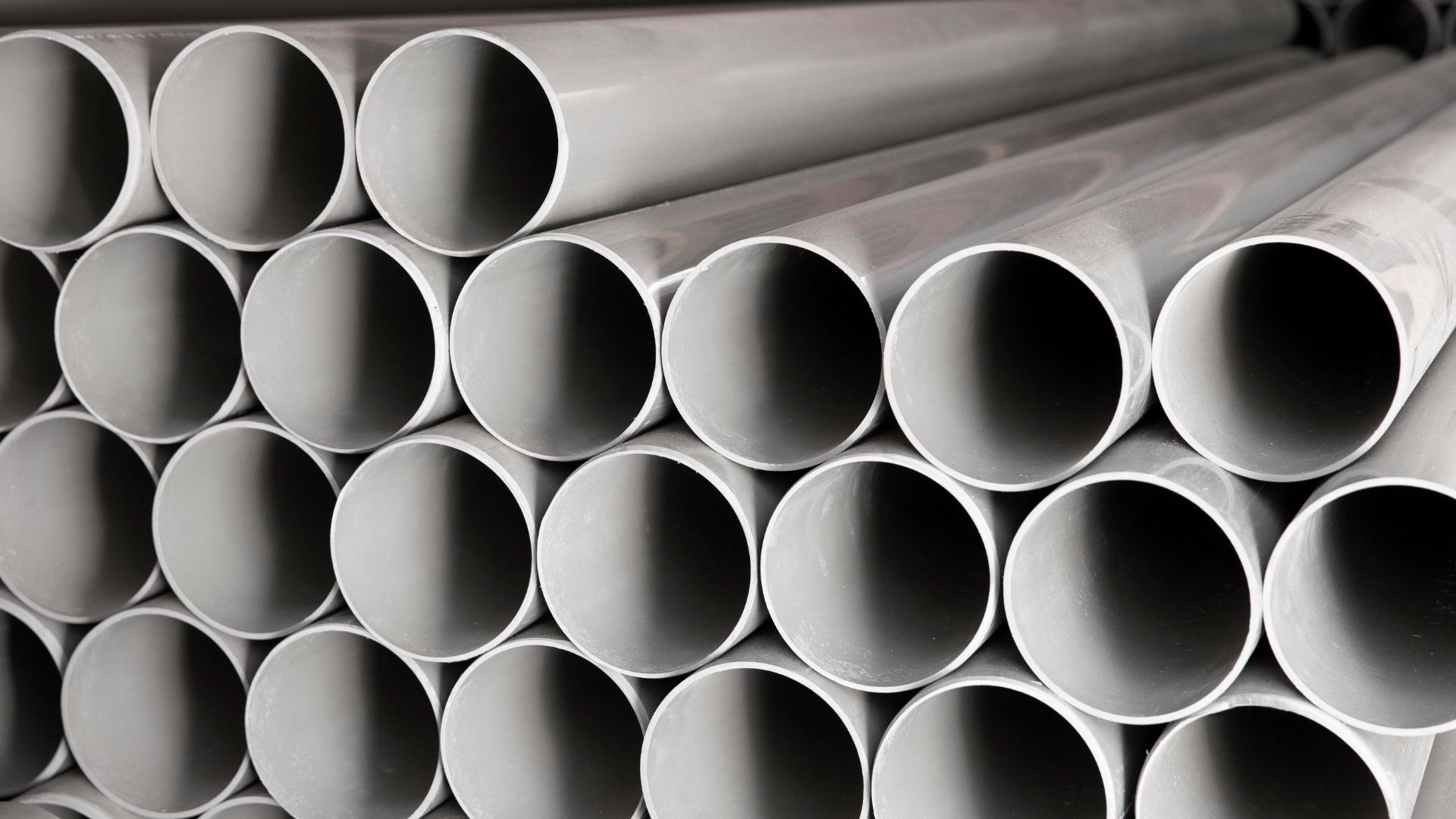
ACR impact modifier is used to improve the impact strength of rigid PVC pipes and fittings, especially where low-temperature performance or installation durability is important. It helps the product resist sudden mechanical shock while maintaining rigidity and dimensional stability.
Window and Door Profiles
Window and door profiles are among the most important applications for ACR impact modifier. These products are exposed to sunlight, temperature changes, wind pressure, and mechanical stress during installation and use. They also require good surface appearance and color stability.
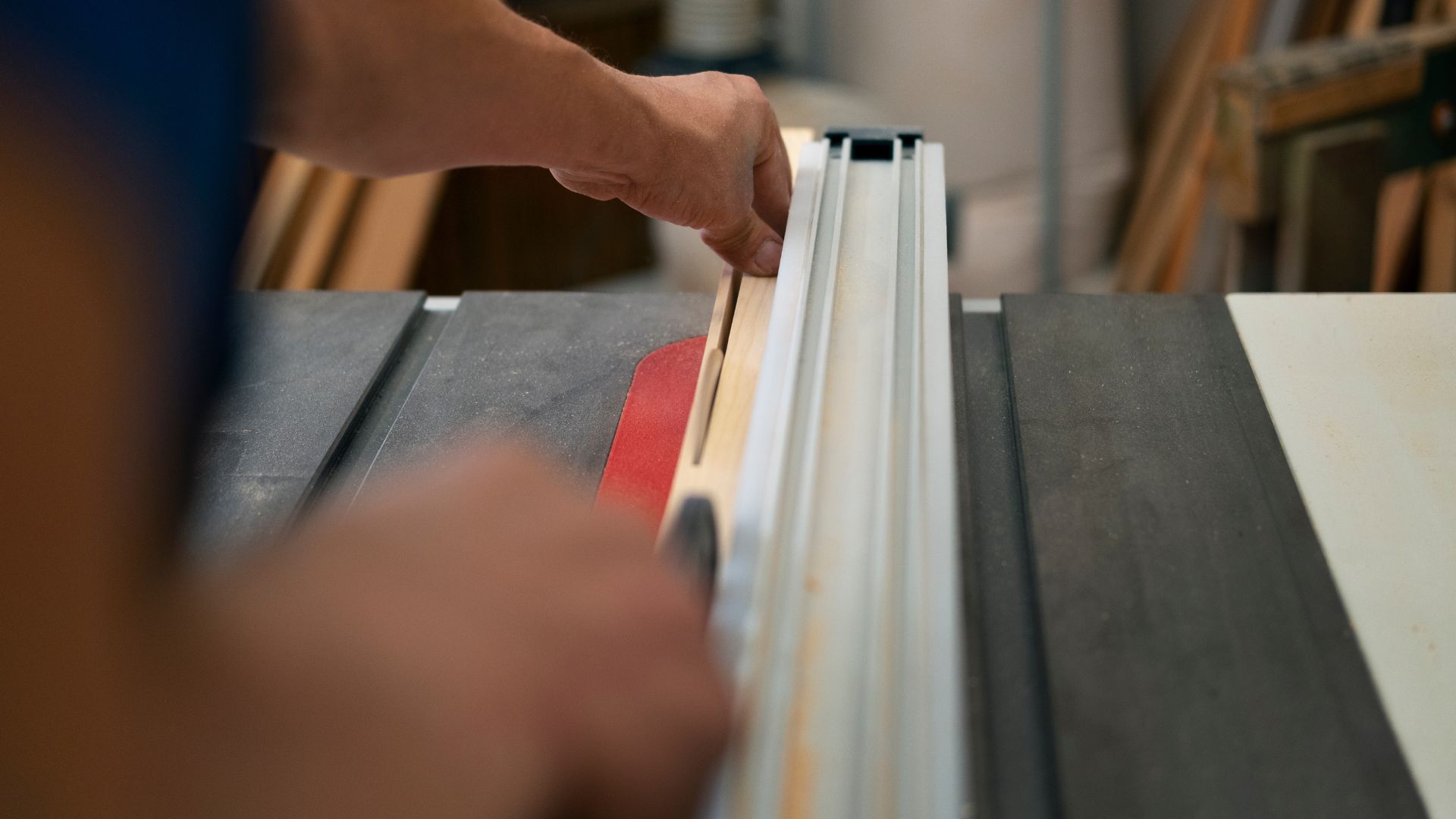
ACR is suitable for these applications because it provides impact strength, weather resistance, and good surface retention. It helps profiles resist cracking during cutting, welding, assembly, and long-term outdoor exposure.
PVC Foam Boards
PVC foam boards are used in advertising, furniture, decoration, construction, and display applications. Because foam boards have a cellular structure, they need a balanced formulation to maintain surface quality, toughness, and dimensional stability.
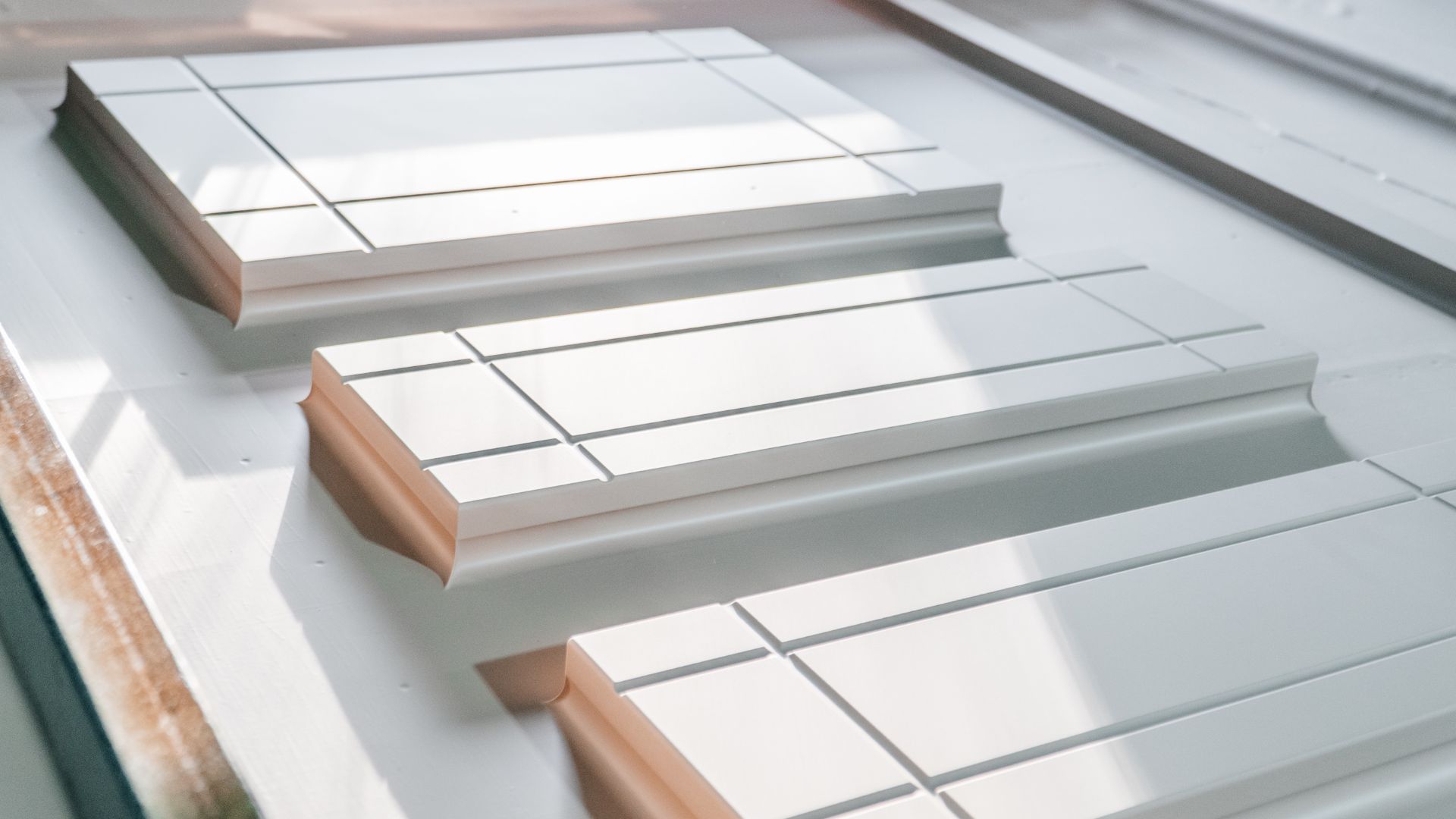
ACR Impact Modifier can improve the toughness of PVC foam boards and reduce cracking during cutting, fastening, or handling. It can also support better surface appearance when properly formulated with processing aids, foaming regulators, stabilizers, and lubricants.
Siding and Fencing
PVC siding and fencing require strong weather resistance and impact durability. These products are exposed to sunlight, rain, temperature changes, wind, and occasional mechanical impact. Poor impact resistance may lead to cracks, broken edges, or failure during installation.
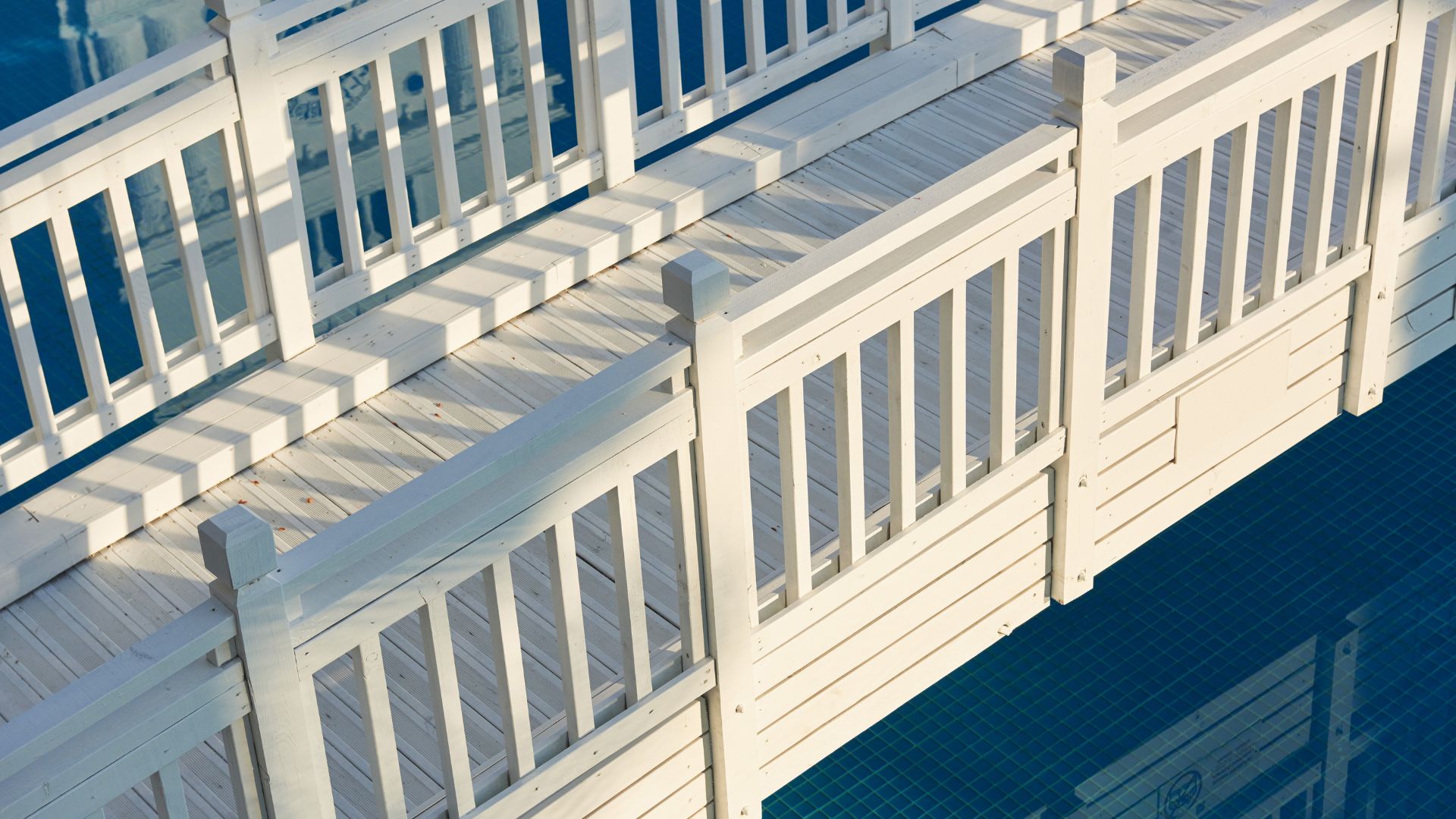
ACR is commonly used in these applications because it performs well in outdoor conditions. It helps maintain mechanical strength and surface appearance over long-term exposure.
Injection-Molded PVC Parts
Injection-molded rigid PVC parts may have complex shapes, corners, ribs, and thin sections. These areas can create stress concentration and increase the risk of impact failure. ACR impact modifier helps improve toughness and reduce brittle fracture in molded parts.

For injection molding, dispersion and flow behavior are especially important. The selected ACR grade must match the processing conditions and part design. Poor selection may lead to surface defects, weak weld lines, or inconsistent impact strength.
Factors Affecting ACR Performance
The performance of ACR Impact Modifier is not determined only by the additive itself. It depends on the complete PVC formulation and processing conditions. Even a high-quality ACR grade may fail to deliver good results if the formulation is poorly designed.
Particle size and distribution
Particle size and particle size distribution influence dispersion, morphology, and impact performance. Fine and uniform particles usually help create better distribution in the PVC matrix. This supports more consistent toughness and reduces weak points.
However, the ideal particle size depends on the application and formulation. If particles are too large or poorly distributed, they may reduce surface quality or create stress concentration. If the structure is not suitable for the PVC system, the toughening effect may be limited.
PVC formulation design
The full PVC formulation strongly affects ACR performance. PVC resin type, stabilizer system, lubricant balance, filler content, processing aid, pigment, and other additives all interact with the impact modifier.
High filler loading can reduce impact strength if not properly balanced. Excessive external lubricant may reduce fusion and weaken mechanical properties. Insufficient stabilizer may cause degradation and poor performance. Therefore, ACR should be evaluated as part of the whole formulation rather than as an isolated additive.
Processing temperature
Processing temperature affects fusion, dispersion, degradation, and final morphology. If the temperature is too low, PVC may not fuse properly, and the impact modifier may not disperse well. This can lead to poor impact strength and weak mechanical properties.
If the temperature is too high, PVC may degrade, causing discoloration, surface defects, and reduced performance. Proper temperature control is therefore essential for ACR to work effectively.
Quality of raw materials
Raw material quality has a direct effect on final product performance. Inconsistent PVC resin, unstable filler quality, poor stabilizer performance, contaminated recycled material, or variable lubricant quality can all affect impact strength.
ACR can improve toughness, but it cannot fully compensate for serious raw material problems. For stable production, manufacturers need consistent raw materials, controlled formulation, and proper quality testing.
Common Problems And Solutions
In PVC production, problems related to ACR Impact Modifier may come from the modifier grade, dosage, formulation balance, or processing conditions. Identifying the root cause is important before adjusting the formulation.
Insufficient impact strength
Insufficient impact strength may result from low ACR dosage, unsuitable ACR grade, poor dispersion, high filler loading, poor fusion, or weak raw material quality. The first step is to check whether the PVC is properly fused and whether the impact modifier is suitable for the application.
Increasing ACR dosage may improve toughness, but it is not always the best solution. If the problem is poor fusion or excessive filler, simply adding more modifier may not solve the issue. A complete formulation review is often necessary.
Poor dispersion
Poor dispersion can reduce impact performance and cause visible defects. It may be caused by inadequate mixing, unsuitable processing temperature, poor compatibility, or unstable feeding.
Improving dispersion requires proper mixing conditions, a correct temperature profile, and suitable processing equipment. The formulation should also be checked for lubricant balance because excessive lubrication may prevent proper fusion and dispersion.
Surface defects
Surface defects may appear as roughness, flow marks, uneven gloss, streaks, or small particles. These problems may be related to poor dispersion, unstable processing, contamination, degradation, or incorrect lubricant balance.
When surface defects occur after adding ACR, the manufacturer should check whether the selected grade is suitable for the product. Processing temperature, screw speed, fusion quality, and raw material cleanliness should also be reviewed.
Reduced gloss
Reduced gloss may occur when the formulation has poor fusion, excessive filler, poor dispersion, or incompatible additives. Some impact modifiers may also affect gloss if the grade is not suitable for high-surface-quality applications.
ACR is generally good for gloss retention, but performance still depends on formulation balance. Adjusting the processing aid, lubricant system, and processing conditions may help restore surface gloss.
Processing difficulties
Processing difficulties may include unstable extrusion, poor melt strength, die build-up, uneven output, or high torque. These problems may not be caused by ACR alone. They often result from the interaction between resin, stabilizer, lubricant, filler, processing aid, and impact modifier.
If processing becomes difficult after adding ACR, the formulation should be adjusted carefully. The manufacturer may need to modify lubricant dosage, processing aid level, temperature profile, or ACR grade. Testing small formulation changes is more reliable than making large adjustments at once.
Conclusion
ACR Impact Modifier improves the toughness, impact resistance, and durability of rigid PVC products while maintaining good weatherability and surface quality. Widely used in pipes, profiles, foam boards, and sheets, it helps reduce brittleness, cracking, and product failure. Choosing the right ACR grade and formulation is essential for achieving stable processing and long-lasting PVC performance.