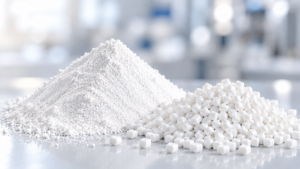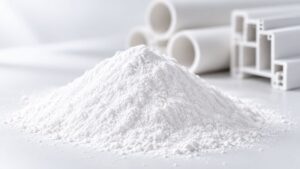

(Polypropylene) PP is widely used in electrical and electronic applications because it combines electrical insulation, low density, chemical resistance, moisture resistance, and relatively easy processing. These characteristics make PP for electrical components suitable for many molded parts that need to protect conductors, maintain dimensional stability, and operate safely under normal electrical service conditions.
However, not every PP grade performs the same way. Mechanical strength, impact resistance, heat resistance, electrical properties, flame behavior, and molding performance can vary significantly depending on polymer structure, additives, fillers, and grade design. Selecting PP for electrical components therefore requires an understanding of both the operating environment and the technical requirements of the finished part. Read the blog by TLD Vietnam to learn more about PP resin selection for electrical components and applications.
What Is PP Resin
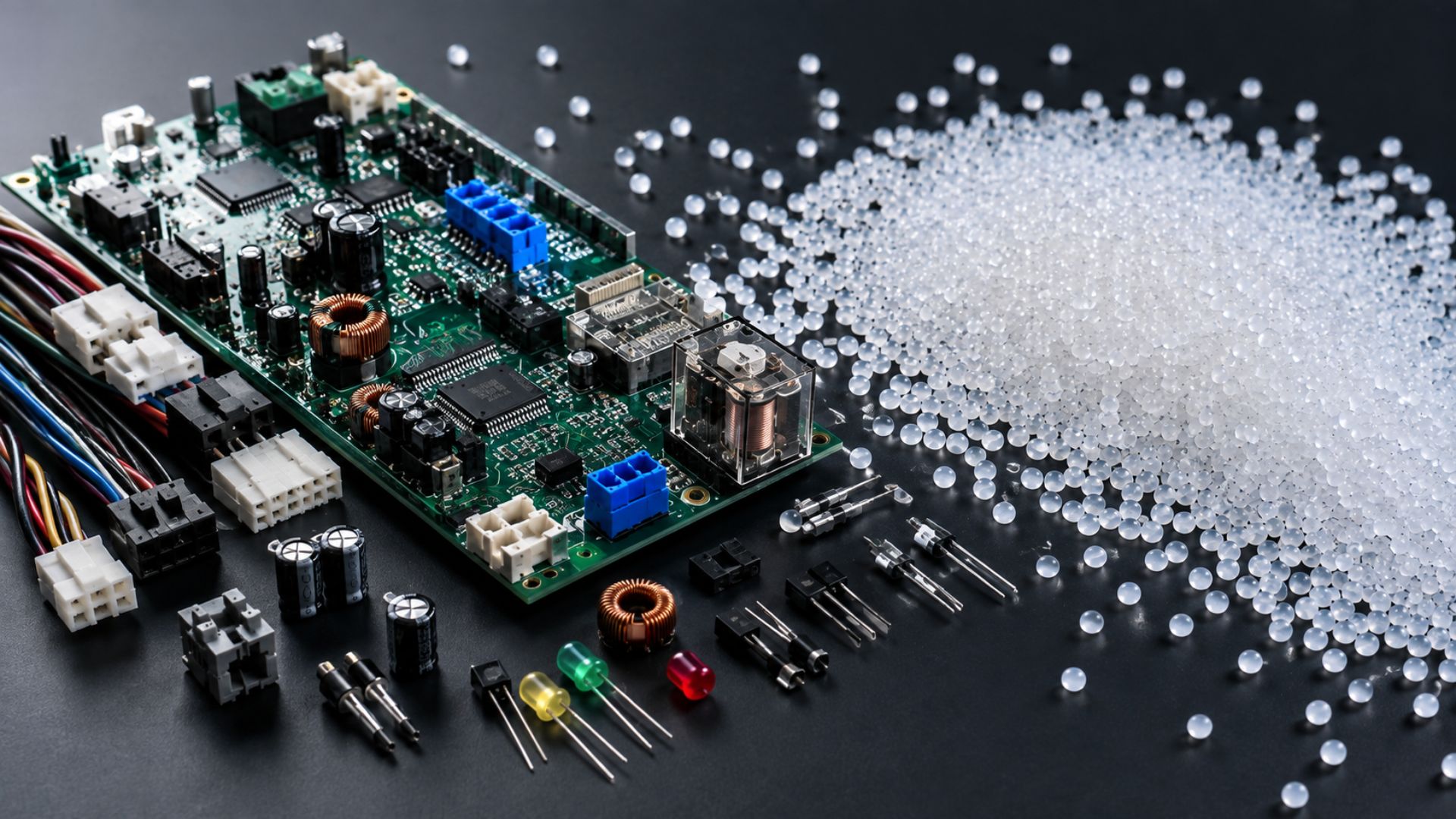
PP is a thermoplastic polymer produced from propylene monomer. It belongs to the polyolefin family and can be repeatedly softened by heating and solidified by cooling. Its combination of low density, electrical insulation, chemical stability, and processability has made PP for electrical components a common material in both household and industrial electrical applications.
Key Properties Of PP
PP typically has a density of around 0.90 g/cm³, making it significantly lighter than many engineering plastics. It also has low water absorption, good resistance to many acids and bases, and relatively good stiffness. From an electrical perspective, PP is naturally non-conductive. This is important for components that must separate electrically active parts from users, housings, or neighboring conductive elements.
The material can also be modified with mineral fillers, elastomers, stabilizers, flame retardants, and other additives when higher mechanical or thermal performance is required.
Why PP Is Used In Electrical Components
Electrical parts often need more than simple mechanical strength. They may also need to resist current, moisture, chemicals, heat generated by electrical operation, and dimensional changes during long-term use. PP can provide these characteristics without requiring a high-density material. It can also be injection molded into complex geometries with ribs, clips, mounting points, insulating barriers, and thin walls.
Its relatively low material density is especially useful where manufacturers need to reduce component weight without using metal structures.
PP Grades For Electrical Applications
Several PP grades can be used in electrical applications. Standard homopolymer PP provides good stiffness and heat resistance, while copolymer grades can provide higher impact resistance.
Special electrical grades may also include flame-retardant additives, heat stabilizers, mineral fillers, or reinforced structures. The correct choice of PP for electrical components depends on factors such as operating temperature, impact requirement, flame classification, electrical insulation level, and expected service life.
Key Properties Of PP For Electrical Components
A material used near electrical current needs predictable behavior under both mechanical and electrical stress. The most important properties should therefore be evaluated together rather than individually.
Electrical Insulation
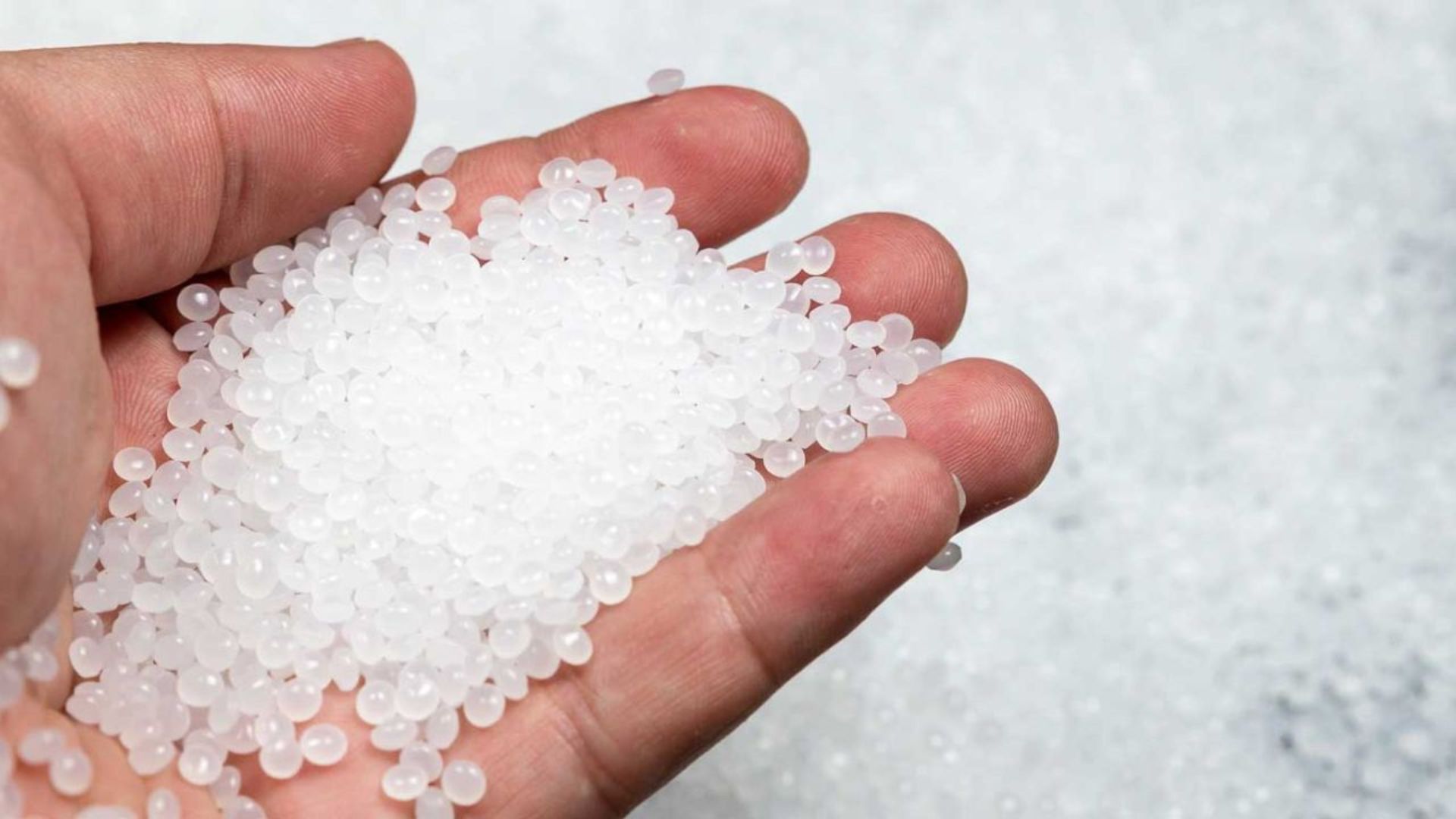
PP has high electrical resistivity and relatively good dielectric properties, making it useful as an insulating material. In practice, electrical performance also depends on part geometry, surface contamination, humidity, additives, and the required voltage level. A resin that performs well in a laboratory test still needs to be evaluated in the actual component design. For this reason, PP for electrical components should be selected according to the electrical requirements of the finished product rather than polymer type.
Heat Resistance
Electrical devices can generate heat during operation, especially near connectors, terminals, power systems, battery assemblies, and enclosed circuits. PP has better heat resistance than some commodity plastics but lower high-temperature capability than engineering polymers such as polycarbonate or certain polyamides. Heat-stabilized grades can improve long-term thermal aging performance. The expected continuous operating temperature and short-term temperature peaks should therefore be considered during material selection.
Chemical Resistance
PP is resistant to many diluted acids, alkalis, detergents, salts, and other chemicals. This allows PP for electrical components to be used in environments where occasional chemical contact may occur. However, compatibility should always be checked when the component may contact strong oxidizing chemicals, hydrocarbons, oils, cleaners, or other aggressive substances.
Lightweight And Mechanical Strength
The low density of PP makes it useful for reducing the weight of electrical housings and internal components. At the same time, the material can provide sufficient rigidity for many applications. Filled grades can further increase stiffness, although fillers may affect impact performance, shrinkage, surface quality, and electrical properties.
Moisture Resistance
PP absorbs very little moisture compared with materials such as polyamide. This helps maintain dimensional and electrical stability in humid environments. Low water absorption is one reason PP for electrical components can be useful in appliances, battery systems, automotive electrical assemblies, and other applications where humidity may change during service.
Common Electrical Components Made With PP
The actual use of PP depends on the required mechanical, thermal, electrical, and fire performance of the application.
Electrical Housings And Enclosures
PP can be molded into protective covers, electrical boxes, small housings, control covers, and internal enclosures. The material provides electrical insulation while allowing designers to create lightweight structures with integrated fastening features.
Switches And Connectors
Some switch bodies, connector parts, covers, and supporting structures can be produced using PP for electrical components, particularly where operating temperatures and mechanical loads remain within the material’s performance range. For applications exposed to higher temperatures or repeated mechanical stress, alternative engineering plastics may be required.
Terminal Blocks And Insulating Parts
Insulating separators, supporting parts, terminal covers, and electrical barriers may use PP when good insulation and moderate structural rigidity are required. Material selection must still consider heat generated at connection points and any applicable flame-resistance requirements.
Automotive Electrical Components
Modern vehicles contain numerous electrical connectors, covers, cable management systems, battery-related components, and electronic housings. Low weight, moisture resistance, chemical resistance, and moldability make PP for electrical components relevant to selected automotive applications. Automotive grades may require enhanced thermal stability, impact resistance, or flame performance.
Battery And Electrical System Components
PP is already widely associated with battery-related applications because of its chemical resistance and electrical insulation. Depending on the system design, the material may be used for battery cases, covers, separators, protective structures, brackets, or related components.
PP Resin Selection For Electrical Components
Selecting resin based only on melt flow rate or price can result in poor performance. The complete operating environment should be considered.
PP homopolymer generally provides higher rigidity and relatively good heat resistance. It is suitable when stiffness and dimensional stability are important. Copolymer PP usually provides improved impact resistance, especially at lower temperatures. It may be preferred when electrical components are exposed to vibration, assembly forces, drops, or mechanical shocks. The choice of PP for electrical components should therefore reflect the balance required between rigidity and toughness.
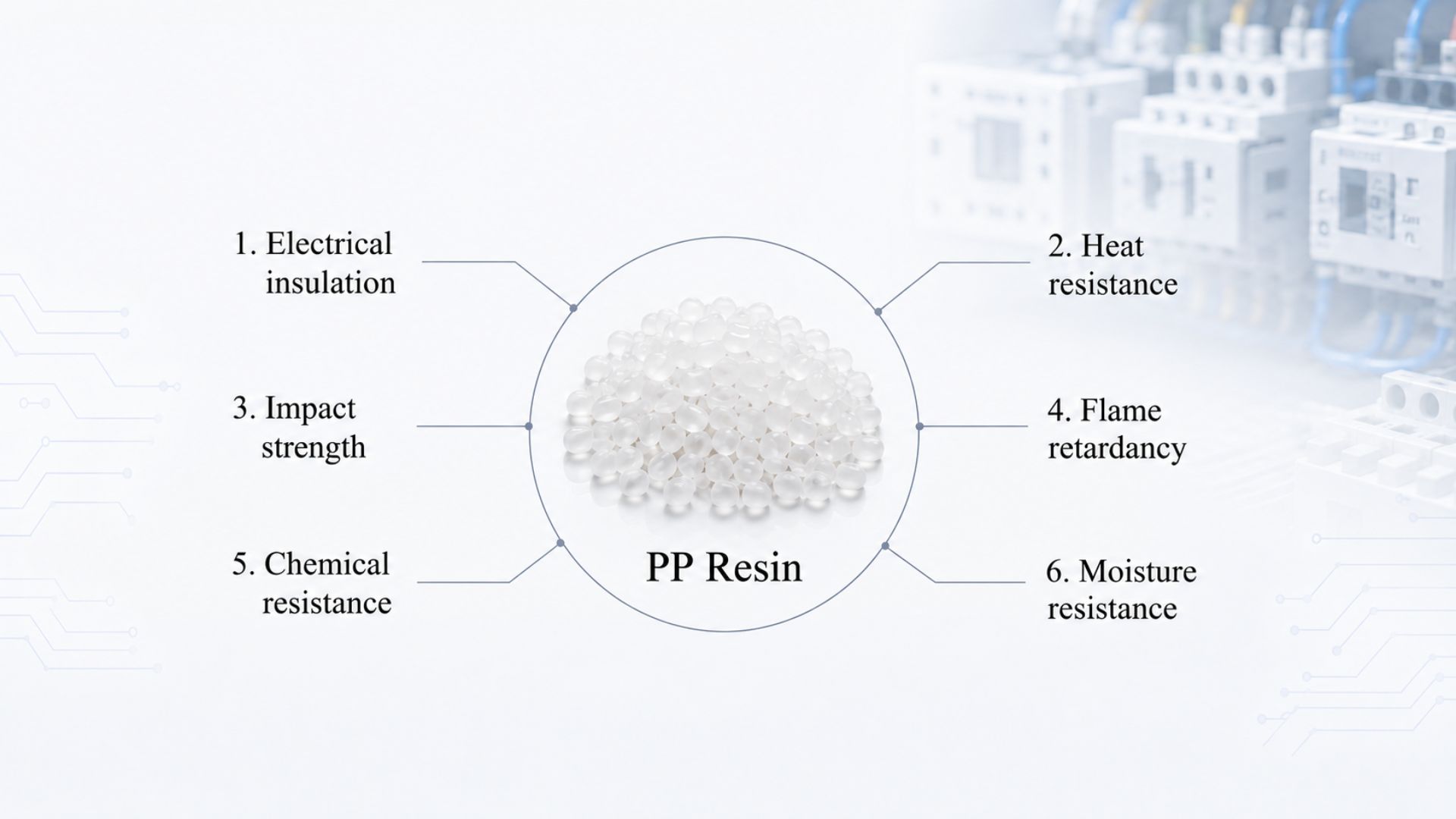
Impact Strength And Rigidity
Electrical housings must often remain rigid enough to protect internal parts while also resisting cracks during assembly or use. Increasing stiffness through mineral fillers can reduce deformation, but excessive stiffness may reduce toughness. Impact-modified PP can improve resistance to sudden loads but may change heat resistance or modulus. A balanced formulation is usually more important than maximizing a single property.
Heat Resistance And Thermal Stability
Heat resistance should be evaluated according to actual service conditions. Short-term exposure to elevated temperatures is different from continuous thermal aging over several years. Electrical-grade PP may therefore contain antioxidants and heat stabilizers to reduce polymer degradation during processing and service.
Flame Retardant Requirements
Standard PP is combustible, so some electrical applications require specially formulated flame-retardant grades. Flame-retardant PP for electrical components can contain additive systems designed to reduce ignition, limit flame propagation, or support compliance with specified fire-performance standards.
The addition of flame retardants can influence mechanical strength, density, processing behavior, color stability, and electrical characteristics. The entire formulation must therefore be evaluated rather than considering flame performance alone.
Electrical faults can create local heating, arcing, sparks, or excessive current. If nearby polymer components ignite easily, they may contribute to flame propagation inside the equipment. Flame retardancy is therefore important in components located close to electrical connections, power supplies, batteries, terminals, switches, or other potential heat sources.
The required flame performance depends on the product design, operating voltage, component thickness, application, and applicable safety standard.
Electrical Insulation Performance
A suitable electrical-grade material must maintain adequate insulation during normal operation. When evaluating PP for electrical components, engineers may consider dielectric strength, volume resistivity, surface resistivity, tracking resistance, environmental conditions, part thickness, and contamination risk. The finished component should always be tested under conditions that represent its actual use.
PP Resin Processing For Electrical Components
Injection molding is the main processing method for producing many PP electrical parts because it supports high-volume production and complex component geometry.
Injection Molding
PP flows relatively easily during injection molding and can fill thin sections, ribs, clips, and detailed shapes. Correct control of material temperature, mold temperature, injection pressure, holding pressure, and cooling time is necessary to maintain consistent dimensions and surface quality.
Processing Temperature
The exact processing temperature depends on the resin grade, melt flow rate, additives, pigments, fillers, and equipment. Excessive melt temperature can accelerate polymer degradation, while insufficient temperature may cause incomplete filling, poor weld lines, or internal stress. Technical processing recommendations provided for the selected grade should therefore be followed.
Mold Design Considerations
Part and mold design strongly influence the performance of PP for electrical components. Wall thickness should be reasonably uniform to reduce uneven cooling. Ribs can improve stiffness without requiring excessively thick walls. Gate location, venting, cooling channels, draft angles, and weld-line positioning should also be considered. Areas around terminals, screws, snap-fits, or mounting points may require additional design attention because these regions experience concentrated stress.
Dimensional Stability And Shrinkage
PP normally exhibits greater molding shrinkage than some engineering plastics. Shrinkage is affected by resin structure, fillers, molding conditions, wall thickness, flow direction, and part geometry. Mineral-filled PP can provide improved dimensional stability in applications where tighter tolerances are required. Accurate mold design should therefore account for the expected shrinkage of the specific grade.
Advantages And Limitations Of PP In Electrical Components
PP has several technical advantages, but it is not suitable for every electrical application.
Advantages Of PP
Important advantages include low density, electrical insulation, low moisture absorption, good chemical resistance, relatively good stiffness, and efficient injection molding. These properties make PP for electrical components particularly useful when moderate thermal requirements are combined with the need for lightweight and cost-efficient molded parts.
Limitations Of PP
PP has lower high-temperature capability than several engineering plastics. Standard grades are also combustible unless flame-retardant technology is added. The material can experience dimensional shrinkage during molding, and certain grades may have limited low-temperature impact resistance. Long-term UV exposure may also require stabilization.
When PP Is A Suitable Material Choice
PP is a suitable option when the application needs good electrical insulation, moderate heat resistance, moisture resistance, chemical stability, low weight, and efficient molding. It becomes less suitable when the component must withstand extremely high temperatures, very high mechanical loads, exceptional dimensional precision, or severe fire-performance requirements that cannot be achieved with an appropriate PP formulation.
PP Vs Other Resins For Electrical Components
Material selection should compare polymers according to application requirements rather than assuming that one resin is universally superior.
PP Vs PVC
Both PP and PVC can provide good electrical insulation. PVC is commonly used in cable insulation and flexible electrical products because its formulation can be adjusted through plasticizers and additives. PP is lighter and does not require plasticizers for flexibility control in the same way.
For rigid molded parts, PP for electrical components may provide advantages in weight, moisture resistance, and processing, while PVC may be preferred where its specific flame behavior or cable-processing characteristics are required.
PP Vs ABS
ABS generally provides good impact resistance, dimensional stability, and surface appearance. PP has lower density and often better chemical and moisture resistance. ABS may be preferred for housings requiring higher surface quality or dimensional precision, while PP can be suitable for lightweight functional components.
PP Vs PC
PC provides substantially higher impact strength and better high-temperature performance than standard PP. PC is therefore frequently used in demanding electrical housings and transparent components. However, PP has lower density and can provide better chemical resistance in certain environments. The decision between PC and PP for electrical components depends on temperature, impact load, transparency, chemical exposure, fire requirements, and component design.
PP Vs PA
PA offers high mechanical strength and performs well in many structural electrical components. However, PA absorbs significantly more moisture than PP, which can affect dimensions and electrical properties. PP provides lower moisture absorption and lower density, while PA may be preferred when higher mechanical and temperature performance is needed.
Conclusion
PP combines electrical insulation, chemical resistance, low moisture absorption, lightweight construction, and efficient injection molding. These characteristics explain why PP for electrical components is used in housings, insulating structures, connectors, battery-related parts, automotive electrical assemblies, and other molded applications.
Successful material selection requires more than choosing a standard PP grade. Engineers should evaluate rigidity, impact strength, heat resistance, flame behavior, electrical insulation, shrinkage, environmental exposure, and processing requirements together.
When the operating conditions match its performance range, PP for electrical components can provide a practical balance between electrical safety, mechanical performance, processing efficiency, and long-term material stability.