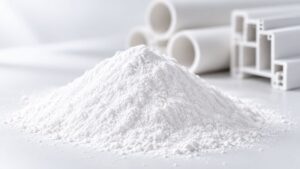

Titanium dioxide is one of the most widely used white pigments in the coatings industry because of its exceptional optical performance, durability, and ability to improve the appearance of finished surfaces. From architectural paints to industrial protection systems, Titanium dioxide plays a critical role in achieving high opacity, brightness, weather resistance, and long-lasting performance.
Titanium dioxide for coatings is specifically designed to provide superior pigment properties that meet the requirements of different coating systems, including water-based paints, solvent-based coatings, powder coatings, and high-performance protective coatings. Choosing the correct Titanium dioxide grade is essential because pigment characteristics such as crystal structure, particle size, surface treatment, and dispersion behavior directly influence final coating performance. Read more expert insights on Titanium dioxide and coating solutions on the TLD Vietnam blog.
What Is Titanium Dioxide For Coatings?
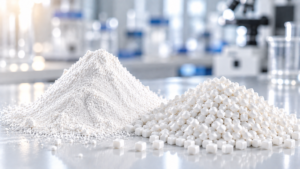
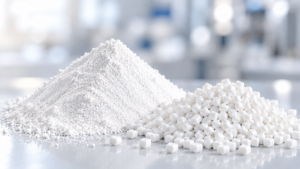
Titanium dioxide (TiO₂) is an inorganic white pigment produced mainly from Titanium minerals such as ilmenite and rutile ores. Due to its extremely high refractive index, Titanium dioxide can scatter visible light effectively, creating strong whiteness and hiding power compared with most other white pigments.
Titanium dioxide for coatings refers to Titanium dioxide grades for paint and coating applications. These grades usually contain surface treatments, such as silica or alumina coatings, to improve dispersion, durability, and compatibility with different resin systems.
In modern coatings, Titanium dioxide is considered the most important white pigment because it provides a combination of optical efficiency, chemical stability, and weather resistance that alternative pigments cannot easily achieve.
There are two main crystal forms of Titanium dioxide: rutile and anatase. Rutile has a higher refractive index and better chemical stability, making it the preferred choice for most outdoor and high-performance coating applications. Anatase provides good whiteness but has lower durability, especially under long-term UV exposure.
When selecting Titanium dioxide for coatings, understanding the differences between these two crystal structures is essential to ensure the pigment matches the intended application.
Why Titanium Dioxide Is Essential In Coating Formulations
The role of Titanium dioxide for coatings extends beyond simply providing white color. It directly affects coating efficiency, surface appearance, durability, and overall formulation performance.
Superior Opacity And Hiding Power
One of the most important advantages of Titanium dioxide is its exceptional opacity. The high refractive index of TiO₂ allows it to scatter light efficiently, preventing the substrate color underneath from showing through.
For Titanium dioxide for coatings formulations, high hiding power means manufacturers can achieve the desired coverage with fewer coating layers. This improves application efficiency and reduces material consumption while maintaining consistent surface quality.
A pigment with poor opacity requires higher loading levels or additional coating layers, increasing production costs and reducing formulation flexibility.
High Whiteness And Brightness
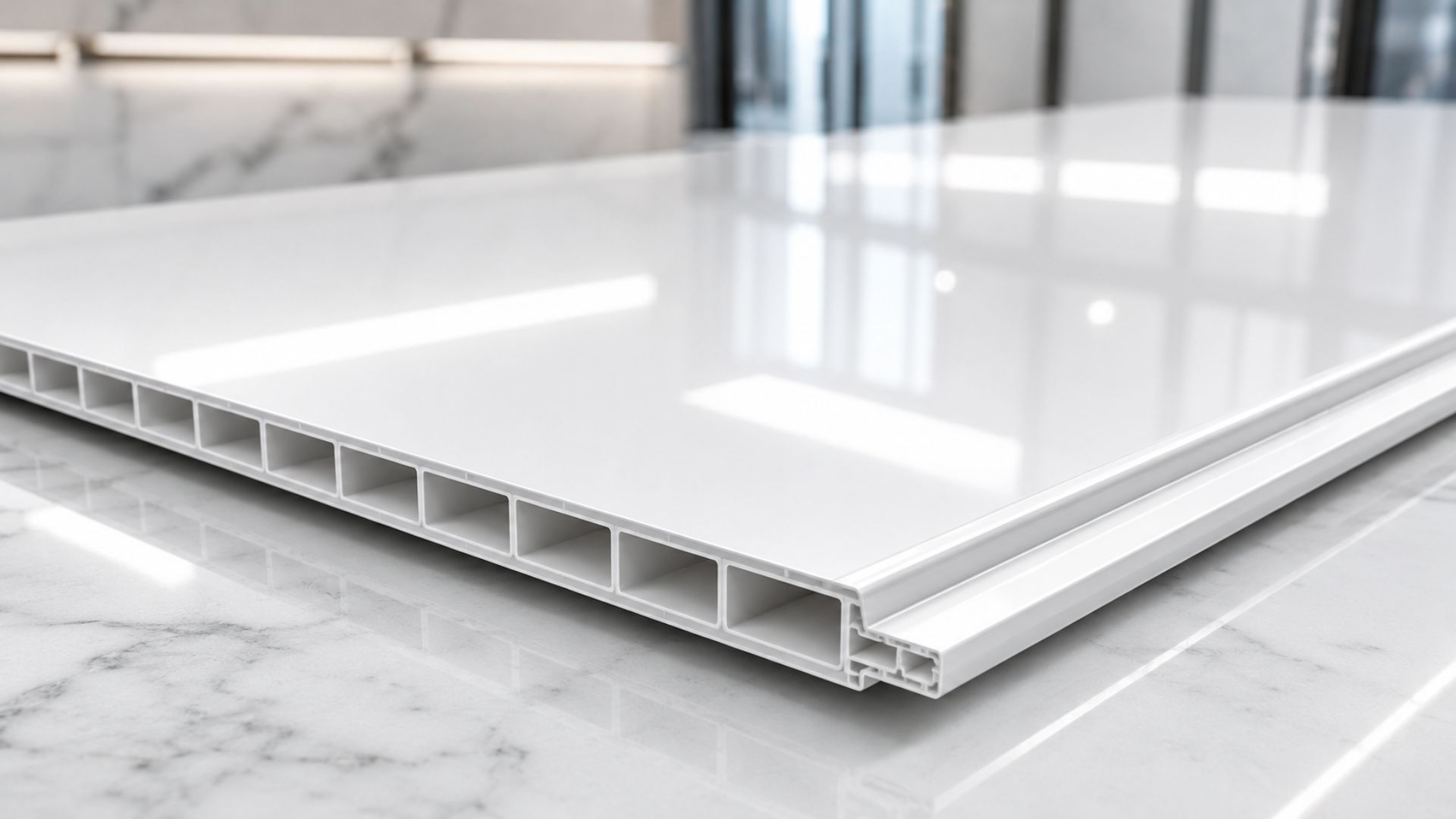
Titanium dioxide provides the strong white base required for a wide range of coating systems. Its high brightness improves the visual appearance of paints and creates a clean, uniform surface.
In decorative and industrial coatings, consistent whiteness is important because it ensures stable color reproduction between different production batches. Titanium dioxide also serves as a foundation pigment for creating pastel and light-colored shades.
UV Protection And Weather Resistance
Outdoor coatings are constantly exposed to sunlight, temperature changes, moisture, and environmental pollutants. Titanium dioxide helps improve coating durability by reducing the impact of UV radiation on the coating surface.
Rutile Titanium dioxide is particularly effective because it has excellent photochemical stability. It helps minimize chalking, fading, and surface degradation, allowing exterior coatings to maintain their appearance for longer periods.
Improved Gloss And Surface Finish
The particle characteristics and dispersion quality of Titanium dioxide influence the smoothness and optical properties of a coating surface.A well-dispersed pigment system can produce better gloss, improved leveling, and a more uniform finish. This is especially important in automotive coatings, industrial coatings, and decorative applications where surface appearance is a key performance requirement.
Long-Term Durability
Titanium dioxide contributes to coating durability through its excellent chemical stability and resistance to environmental stress.Coatings containing high-quality Titanium dioxide generally demonstrate better resistance against moisture, chemicals, and weather exposure. This helps extend the service life of painted surfaces, particularly in demanding environments.
Titanium Dioxide Applications In Different Coatings
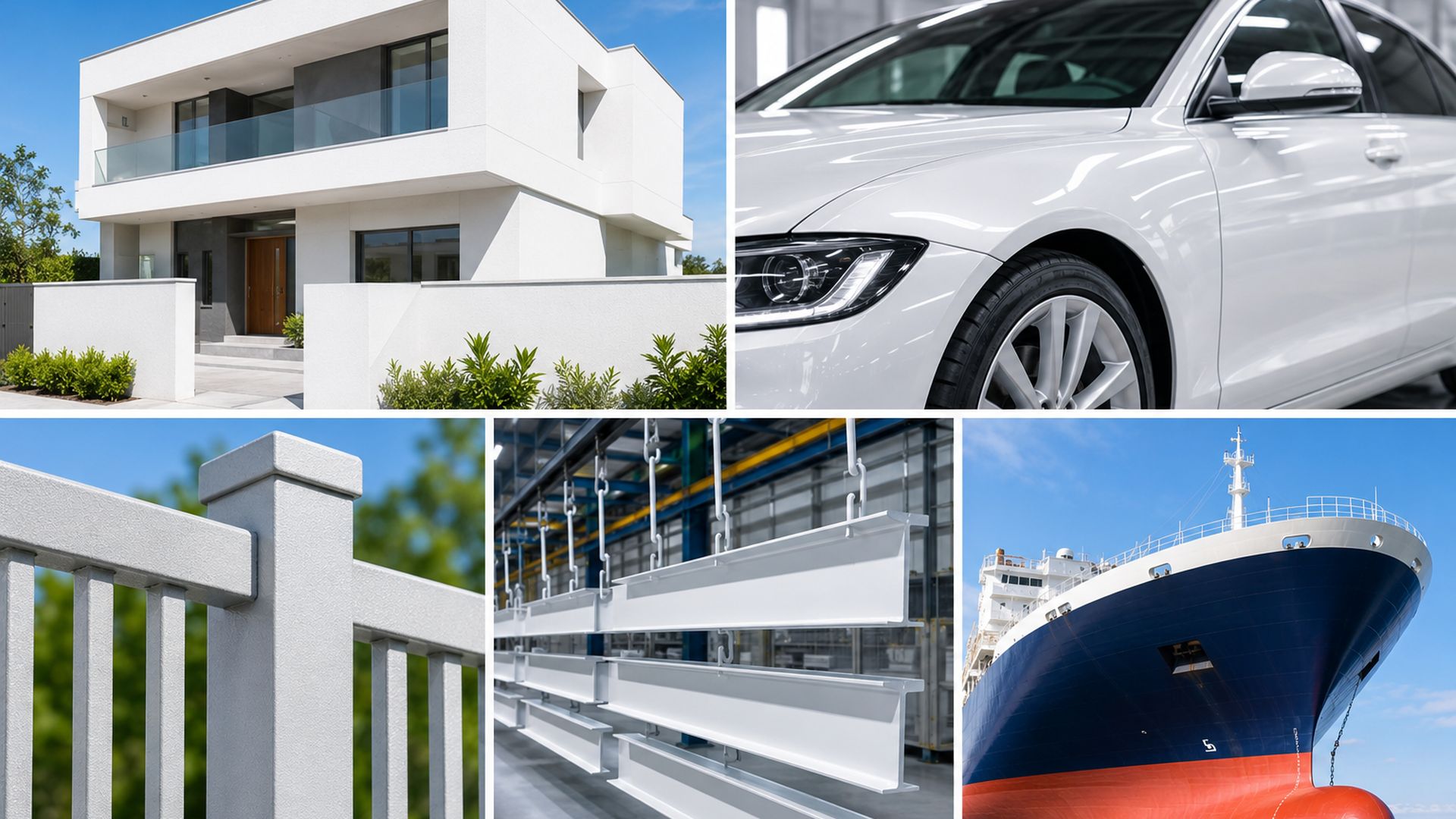
Titanium dioxide for coatings is used across many industries because its properties can improve both decorative and protective coating performance.
Architectural Paints
Architectural coatings are one of the largest application areas for Titanium dioxide. Interior and exterior wall paints rely on TiO₂ to achieve strong whiteness, high coverage, and consistent appearance.
For exterior architectural paints, rutile Titanium dioxide is commonly selected because of its excellent weatherability and resistance to sunlight exposure. For interior paints, opacity and brightness are usually the primary considerations.
Industrial Coatings
Industrial coatings require high durability, chemical resistance, and protection against harsh operating conditions.Titanium dioxide is widely used in coatings for machinery, equipment, pipelines, and metal structures because it improves opacity, surface quality, and resistance to environmental damage.
Automotive Coatings
Automotive coatings require excellent appearance, gloss retention, and long-term durability. Titanium dioxide contributes to bright white automotive finishes and provides a stable pigment base for various automotive colors. Its dispersion properties also influence coating smoothness and final surface appearance.
Powder Coatings
Powder coatings require pigments with good thermal stability and dispersion performance. Titanium dioxide is commonly used in powder coating formulations because it maintains whiteness and opacity during high-temperature curing processes.
Wood Coatings
Wood coatings use Titanium dioxide to create decorative finishes while maintaining protection against environmental exposure. It helps improve hiding power, especially when coating different wood surfaces with varying natural colors and textures.
Marine and Protective Coatings
Marine and protective coatings operate under challenging conditions involving salt water, humidity, and chemical exposure. Rutile Titanium dioxide is preferred in these applications because of its stability and ability to support long-term coating performance.
Rutile vs. Anatase Titanium Dioxide for Coatings
For Titanium dioxide for coatings, rutile and anatase grades have different performance characteristics. The choice depends mainly on application requirements, especially outdoor durability and resistance to environmental exposure.
| Property | Rutile | Anatase |
| Opacity | Excellent | Good |
| UV Resistance | Excellent | Moderate |
| Weatherability | Excellent | Low |
| Outdoor Use | Yes | Limited |
| Gloss | High | Medium |
Rutile Titanium dioxide is the standard choice for most modern coating systems because it provides better durability, weather resistance, and long-term stability. Anatase Titanium dioxide may still be used in specific applications where cost considerations or indoor performance requirements are more important.
Factors To Consider When Choosing Titanium Dioxide For Coatings
Choosing Titanium dioxide for coatings requires evaluating both pigment properties and the requirements of the coating system. A suitable grade should provide the right balance between optical performance, processing behavior, and cost efficiency.
Particle Size
Particle size has a direct influence on light scattering and pigment efficiency. Optimized particle size allows Titanium dioxide to achieve maximum opacity and brightness. If particles are too large or too small, light scattering efficiency may decrease, affecting hiding power and surface appearance. The performance of Titanium dioxide for coatings is strongly influenced by particle size distribution because it affects dispersion quality and final coating properties.
Surface Treatment
Surface treatment improves pigment compatibility with coating resins and enhances durability. Rutile Titanium dioxide grades are often treated with inorganic compounds such as silica or alumina to improve dispersion, reduce photocatalytic activity, and increase resistance to weathering.
Dispersion Performance
Good dispersion is essential for achieving uniform color, stable viscosity, and consistent coating performance. Poorly dispersed Titanium dioxide particles can create defects such as uneven surfaces, reduced opacity, and inconsistent appearance.
Oil Absorption
Oil absorption affects the amount of binder required to wet and disperse pigment particles. A lower oil absorption value can improve formulation efficiency by reducing resin demand while maintaining pigment performance.
Compatibility With Resin Systems
Different coating systems require different Titanium dioxide characteristics. A pigment suitable for acrylic coatings may not perform identically in epoxy, polyurethane, alkyd, or powder coating systems. Compatibility with the resin directly influences stability, gloss, and durability.
How Titanium Dioxide Improves Cost Efficiency
Titanium dioxide for coatings can improve overall formulation economics by increasing hiding power and reducing the amount of coating material required to achieve the desired coverage. High-performance Titanium dioxide allows manufacturers to optimize pigment loading, reduce unnecessary coating layers, and maintain surface quality.
In many formulations, Titanium dioxide is combined with extenders such as calcium carbonate to balance performance and cost. Optimizing the Titanium dioxide and calcium carbonate ratio can help reduce formulation expenses while maintaining acceptable opacity, durability, and processing characteristics.
Common Challenges And Solutions
Many Titanium dioxide coating systems face performance challenges caused by pigment selection, dispersion issues, or formulation imbalance.
Poor Dispersion
Poor dispersion can lead to pigment agglomeration, reduced opacity, and surface defects. Using Titanium dioxide with suitable surface treatment and applying proper mixing procedures can improve pigment distribution and coating consistency.
Floating And Flooding
Floating and flooding occur when pigments separate during drying, creating uneven color or surface appearance. Proper pigment dispersion, resin compatibility, and formulation control help minimize these issues.
Low Hiding Power
Low hiding power may result from incorrect pigment selection, insufficient loading, or poor dispersion. Selecting a Titanium dioxide grade with optimized optical properties can significantly improve coverage performance.
Chalk Formation In Exterior Paints
Chalking occurs when the coating surface degrades due to UV exposure and weathering. Using high-quality rutile Titanium dioxide with proper surface treatment improves outdoor durability and reduces chalk formation.
Conclusion
Titanium dioxide remains the most important white pigment in modern coating formulations, delivering exceptional opacity, brightness, UV resistance, and long-term durability across a wide range of applications. However, achieving the best coating performance depends not only on using Titanium dioxide but also on selecting the right grade, optimizing pigment dispersion, and balancing the formulation with compatible raw materials.