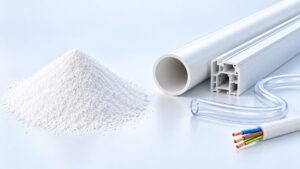
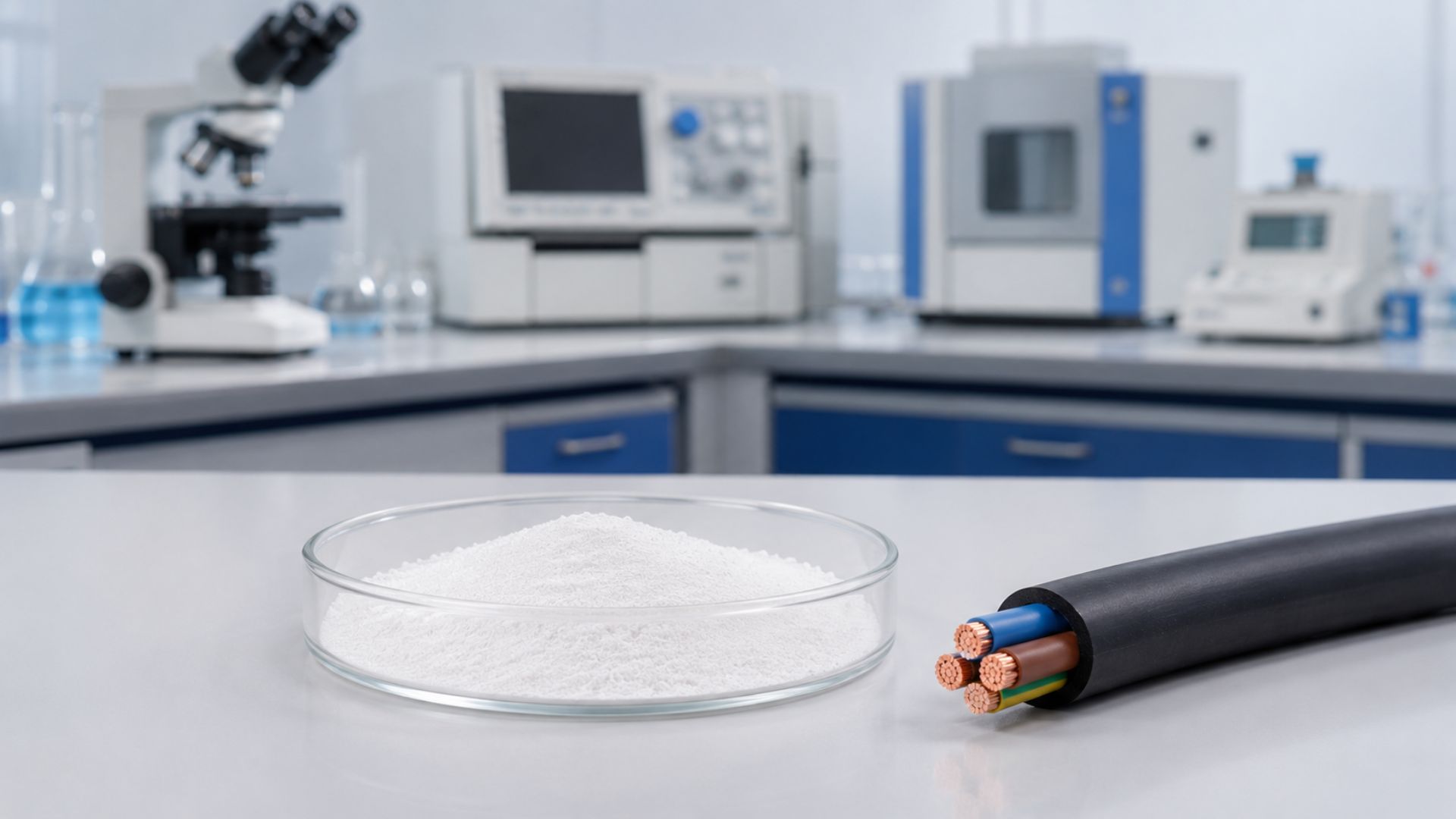
PVC stabilizer for cable and wire compounds plays a decisive role in protecting PVC from thermal degradation during extrusion and long-term service. In electrical cable applications, the stabilizer system does more than prevent discoloration. It directly influences processing stability, heat aging resistance, mechanical retention, electrical insulation performance, and regulatory compliance.
For cable manufacturers, selecting the right PVC stabilizer requires a technical understanding of polymer degradation, formulation balance, end-use conditions, and market requirements. This article from TLD Vietnam explains how PVC stabilizers work in cable and wire compounds, the main stabilizer systems used in the industry, and the key factors that should be evaluated when developing or selecting a PVC cable formulation.
What PVC Stabilizer For Cable And Wire Means
PVC is one of the most widely used polymers in cable and wire insulation, sheathing, jacketing, and protective compounds because it offers a practical balance of electrical insulation, flame resistance, flexibility, processability, and cost efficiency. However, PVC cannot be processed or used reliably without a stabilization system. During compounding, extrusion, and long-term service, PVC is exposed to heat, shear, oxygen, metal contact, and sometimes ultraviolet radiation. These conditions can trigger thermal degradation, discoloration, loss of mechanical strength, and deterioration of electrical properties.
A PVC stabilizer in cable and wire is therefore not a simple additive used only to improve processing. It is a core part of the formulation that protects the PVC matrix during high-temperature extrusion and throughout the service life of the cable. The stabilizer system determines how well the compound resists heat aging, maintains color, prevents acid-catalyzed degradation, and remains compatible with plasticizers, fillers, flame retardants, lubricants, and pigments.
In cable and wire applications, stabilization must be considered together with electrical, mechanical, thermal, regulatory, and processing requirements. A compound used for a flexible indoor cable will not require the same stabilizer system as a heat-resistant automotive cable, a building wire, or an outdoor sheathing compound. The correct stabilizer choice depends on the complete performance profile expected from the final product.
Understanding the role of PVC stabilizer for cable and wire helps manufacturers optimize formulation design, processing stability, and long-term cable performance.
Why PVC Requires Stabilization
Thermal degradation of PVC
PVC is thermally sensitive because its molecular structure contains chlorine atoms attached to the polymer backbone. When PVC is heated during processing, weak points in the chain may release hydrogen chloride. This reaction is known as dehydrochlorination. Once hydrogen chloride is released, it can accelerate further degradation of the polymer, creating a self-catalytic reaction.
As degradation progresses, conjugated double bonds form along the polymer chain. This leads to visible discoloration, typically changing from white or natural color to yellow, brown, and eventually black. More importantly, degradation also reduces mechanical strength, flexibility, elongation, insulation performance, and long-term durability.
Cable and wire compounds are often processed through extrusion at elevated temperatures. The material must remain stable inside the extruder barrel, die head, screen pack, and tooling. If the stabilization system is weak, the compound may show plate-out, die build-up, surface roughness, burnt particles, gels, or inconsistent color. In severe cases, degradation can interrupt production and create electrical defects in insulation layers.
Autocatalytic effect of Hydrogen Chloride
Hydrogen chloride generated during PVC degradation is highly problematic because it accelerates further chain breakdown. In cable compounds, this is especially important because the material may be exposed to long residence time during extrusion, multiple heating histories during reprocessing, or prolonged service at elevated temperature.
A suitable PVC stabilizer in cable and wire formulation must neutralize hydrogen chloride and reduce its catalytic effect. This is one of the fundamental functions of thermal stabilizers. By capturing or neutralizing released acid, stabilizers slow down the degradation cycle and help maintain compound stability during processing and aging.
Main Functions Of PVC Stabilizer For Cable And Wire
Heat stability during extrusion
The first function of a stabilizer is to protect PVC during compounding and extrusion. Cable extrusion requires stable melt flow, controlled viscosity, smooth surface appearance, and consistent output. If the compound degrades in the extruder, the cable surface may show specks, streaks, roughness, or burn marks. These visual defects may also indicate bigger structural or electrical risks.
Heat stability is commonly evaluated through static oven tests, Congo red testing, dynamic thermal stability, torque rheometry, and color change measurements. For cable applications, dynamic stability is often more meaningful than simple static heat resistance because extrusion subjects the compound to both heat and shear.
The effectiveness of a PVC stabilizer for cable and wire is often measured by its ability to maintain stable processing throughout continuous extrusion.
Long-term thermal aging resistance
Cables may operate for many years under continuous or intermittent thermal stress. Heat aging can cause insulation hardening, embrittlement, cracking, shrinkage, and loss of elongation. The stabilizer system must therefore protect the compound beyond the processing stage.
In cable testing, aged tensile strength and elongation retention are important indicators. A compound may look stable immediately after extrusion but fail after accelerated aging. This is why stabilizer selection should be based not only on initial processing performance but also on long-term property retention.
Choosing the appropriate PVC stabilizer for cable and wire is therefore essential for maintaining mechanical and electrical performance throughout the cable’s service life.
Color stability and appearance
Color stability matters in both insulation and sheathing compounds. Many cables use specific colors for identification, safety, or customer specifications. Degradation can shift color tone and reduce batch-to-batch consistency. White, light grey, natural, and bright-colored compounds are especially sensitive to stabilizer performance.
A well-designed stabilizer system prevents early yellowing and supports pigment stability. However, color stability is not determined by stabilizer alone. It also depends on resin quality, plasticizer type, filler purity, pigment heat resistance, lubricant balance, and processing conditions.
Electrical insulation performance
Cable and wire compounds must maintain reliable electrical properties. Stabilizers can influence volume resistivity, dielectric strength, dielectric loss, and moisture sensitivity. Some stabilizer chemistries may introduce ionic species or impurities that affect insulation resistance, especially in demanding electrical applications.
For low-voltage flexible cables, the tolerance may be broader. For higher-performance insulation compounds, automotive wiring, communication cables, or specialized electrical applications, stabilizer purity and compatibility become more critical. The stabilizer must not compromise the insulating function of the PVC compound.
Common Types Of PVC Stabilizer For Cable And Wire
Lead-based stabilizers
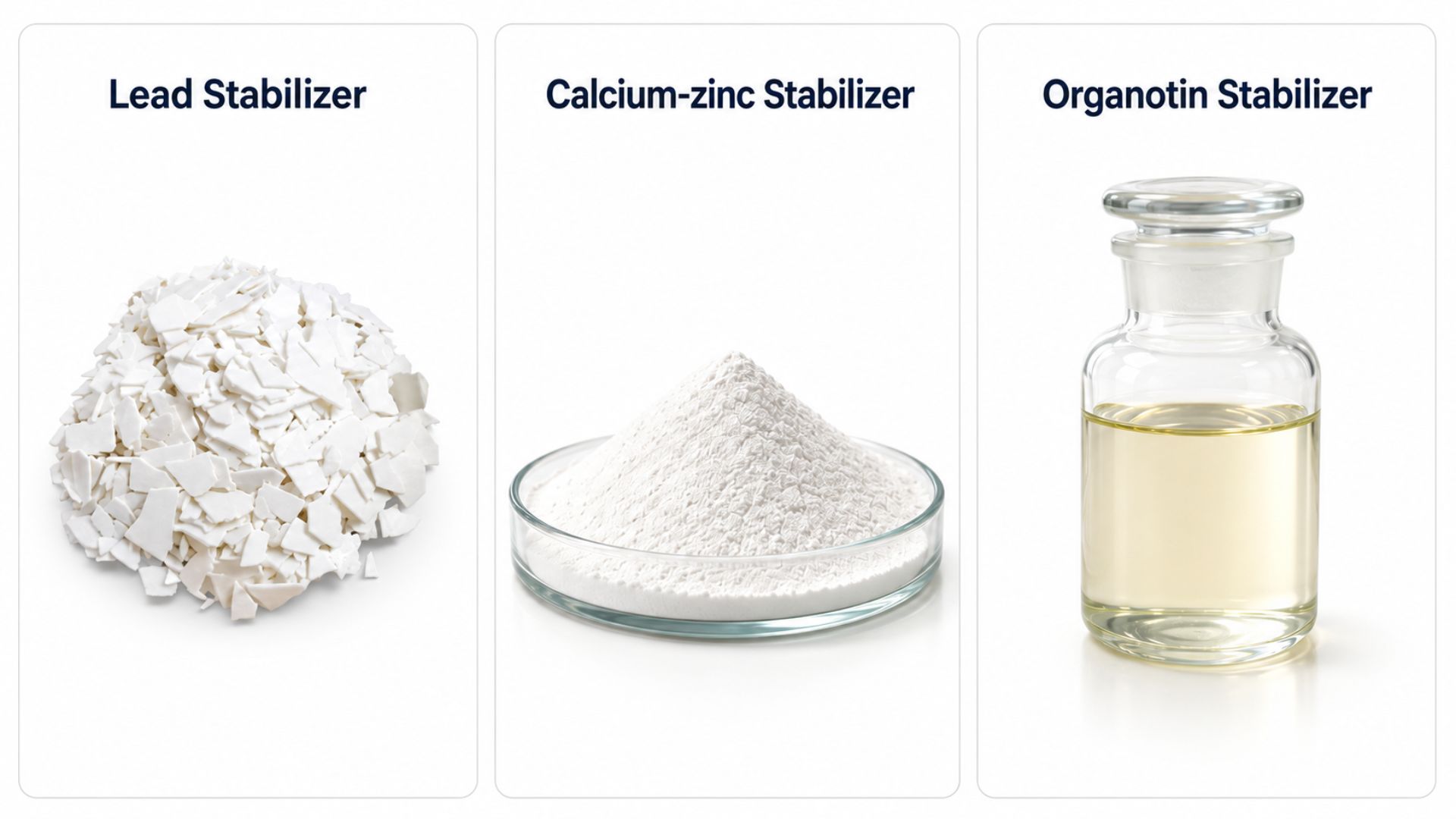
Lead-based stabilizers have historically been used in cable and wire because they provide strong heat stability, good electrical insulation performance, and reliable processing behavior. Lead stabilizers are particularly effective in demanding applications where long-term thermal stability and electrical properties are important.
The main limitation is regulatory and environmental concerns. Many markets have restricted or phased out lead in numerous PVC applications. For this reason, lead-based stabilizers have been replaced in many cable segments by calcium-zinc and other heavy-metal-free systems. Nevertheless, lead systems may still be encountered in certain regions or applications where regulations permit their use and where technical performance requirements are specific.
From a formulation perspective, lead stabilizers are robust, but their use requires strict attention to market regulations, worker safety, waste handling, and customer compliance requirements.
Calcium-zinc stabilizers
Calcium-zinc stabilizers are now one of the most important alternatives for PVC cable and wire compounds. They are widely used where heavy-metal-free or lead-free formulations are required. These systems are based on combinations of calcium and zinc salts, often supported by co-stabilizers, antioxidants, acid scavengers, lubricants, and processing aids.
Calcium-zinc systems can provide good color stability, acceptable long-term heat aging, and compliance advantages. However, they must be carefully formulated. Zinc compounds can contribute to early color instability if not balanced properly, while calcium components help provide longer-term acid neutralization. The performance of calcium-zinc stabilizers depends strongly on the ratio of active components and the selection of organic co-stabilizers.
For cable and wire, calcium-zinc stabilizers are often used in building wire, flexible cable, automotive cable, appliance wiring, and sheathing compounds. Their performance can be adjusted for different processing temperatures, plasticizer systems, filler loadings, and flame-retardant requirements.
Today, calcium-zinc systems have become one of the most widely adopted PVC stabilizer for cable and wire solutions for lead-free cable compounds.
Organotin stabilizers
Organotin stabilizers are known for excellent transparency and strong thermal stability in certain PVC applications. They are commonly associated with rigid transparent PVC, food-contact packaging in some regions, and specialized profiles. In cable and wire, their use is more limited compared with lead and calcium-zinc systems.
Organotin stabilizers may be considered when high clarity, low discoloration, or specific processing stability is required. However, cost, odor, regulatory acceptance, and formulation compatibility must be evaluated. They are not usually the default choice for typical flexible cable compounds.
Barium-zinc and other mixed metal stabilizers
Barium-zinc stabilizers have been used in flexible PVC applications because they offer good heat stability and processing performance. In cable and wire, they may appear in certain flexible formulations, though their regulatory profile needs careful review depending on market destination.
Other mixed metal systems may include combinations designed for special performance needs. The stabilizer package may also include hydrotalcite, zeolite, phosphites, beta-diketones, polyols, epoxidized oils, and antioxidants. In modern cable compounds, the stabilizer is rarely a single component. It is usually a formulated package designed to balance processing, aging, color, electrical performance, and compliance.
Interaction Between Stabilizers And Other Cable Compound Ingredients
Plasticizers
Flexible PVC cable compounds usually contain plasticizers to provide softness, flexibility, and low-temperature performance. The stabilizer must be compatible with the plasticizer system. Common plasticizer types include phthalates, terephthalates, trimellitates, adipates, polymeric plasticizers, and specialty low-smoke or high-temperature plasticizers.
Plasticizers influence heat aging, volatility, migration, extraction resistance, and electrical behavior. A stabilizer that performs well in one plasticizer system may not give the same result in another. For example, high-temperature cable compounds using trimellitate plasticizers may require a stabilizer package with stronger long-term heat aging resistance than a general-purpose flexible compound.
Fillers
Calcium carbonate is widely used in PVC cable compounds to reduce cost, improve dimensional stability, adjust hardness, and influence processing. The purity, particle size, surface treatment, moisture content, and whiteness of calcium carbonate can affect stabilizer demand and final compound performance.
Acidic impurities, excessive moisture, or poor dispersion may reduce thermal stability or create surface defects. In filled cable compounds, stabilizer dosage and lubricant balance must account for filler loading. Higher filler content increases the importance of dispersion, melt homogeneity, and interface compatibility.
Flame retardants
PVC naturally contains chlorine, which contributes to flame resistance. However, many cable standards require additional flame-retardant or smoke-suppressant performance. Additives such as antimony trioxide, aluminum hydroxide, magnesium hydroxide, zinc borate, and molybdate compounds may be used depending on the formulation.
These additives can interact with stabilizers. Some may affect processing temperature, melt viscosity, color, or acid neutralization behavior. In flame-retardant cable compounds, the stabilizer system must be evaluated together with the full flame-retardant package rather than in isolation.
Lubricants
Lubricants control fusion, melt flow, metal release, and surface quality. Internal and external lubricants must be balanced carefully. Excess external lubrication may delay fusion and reduce mechanical properties, while insufficient lubrication may increase shear heat and promote degradation.
Stabilizers often contain built-in lubricant components. When changing from one stabilizer type to another, the entire lubrication balance may need adjustment. This is especially true when moving from lead-based systems to calcium-zinc systems, because their fusion behavior and processing window may differ.
These interactions demonstrate that selecting a PVC stabilizer for cable and wire requires balancing the entire formulation rather than evaluating the stabilizer alone.
Selection Criteria For PVC Stabilizer In Cable And Wire
Processing temperature and residence time
Cable extrusion conditions vary by equipment, screw design, output rate, die geometry, and compound type. A stabilizer must provide sufficient processing safety under the actual thermal history of the material. Laboratory testing should simulate realistic residence time and shear conditions.
A compound may pass a short-term thermal test but still fail during continuous extrusion if residence time is long or local overheating occurs. For this reason, production trials remain essential when qualifying a stabilizer system.
A properly selected PVC stabilizer for cable and wire should provide sufficient processing safety under both laboratory and full-scale production conditions.
Cable type and end-use environment
Different cable types require different stabilizer performance. Indoor flexible cords may prioritize softness, surface appearance, and cost efficiency. Building wires require insulation reliability, flame performance, and aging resistance. Automotive cables require heat aging, oil resistance, flexibility, and long-term durability. Outdoor cables require weathering resistance, UV stability, and resistance to environmental stress.
The stabilizer system should be selected based on the most demanding condition the cable will face. In technical formulation, it is unsafe to select a stabilizer only because it works in a similar PVC compound. Cable end-use conditions must guide the decision.
Regulatory and environmental requirements
Regulatory requirements strongly influence stabilizer selection. Many brands, cable producers, and markets require lead-free, cadmium-free, or heavy-metal-controlled formulations. Compliance with restricted substance requirements is often as important as technical performance.
A PVC stabilizer in cable and wire formulation should be evaluated through both performance testing and compliance documentation. Material safety data, restricted substance declarations, and third-party testing may be required depending on customer and market requirements.
Electrical requirements
For insulation compounds, electrical performance must be tested directly. Stabilizer systems can affect insulation resistance, volume resistivity, dielectric strength, and water absorption behavior. Even small changes in ionic content or additive compatibility may influence electrical properties.
When the cable is used only as a protective sheath, electrical requirements may be less strict than for insulation. However, sheathing still requires mechanical durability, heat stability, flame resistance, and environmental performance.
Testing And Quality Evaluation
Heat stability testing
Heat stability testing provides an early indication of whether a stabilizer can protect the PVC compound during processing and aging. Static oven testing evaluates color change over time at elevated temperatures. Dynamic testing evaluates stability under heat and shear. Congo red testing measures the release of hydrogen chloride under controlled heating conditions.
No single test fully predicts production performance. A robust evaluation normally combines several methods and confirms results through extrusion trials.
Mechanical property retention
Tensile strength, elongation at break, hardness, and flexibility are key indicators of cable compound performance. After thermal aging, these properties should remain within the specified range. A stabilizer that prevents discoloration but allows severe embrittlement is not suitable for cable use.
Mechanical testing should be performed on properly processed specimens, because poor fusion, filler dispersion, or plasticizer imbalance can distort results.
Surface and extrusion quality
Surface smoothness, gloss, absence of gels, absence of fish eyes, and consistent color are important production indicators. Poor stabilizer compatibility may lead to plate-out, die deposits, rough surface, or unstable extrusion pressure.
In cable manufacturing, surface defects are not only cosmetic. They can indicate local degradation, contamination, or poor dispersion, which may affect insulation integrity.
Comprehensive testing is the most reliable method for validating the performance of a PVC stabilizer for cable and wire before commercial production.
Practical Formulation Considerations
Stabilizer dosage
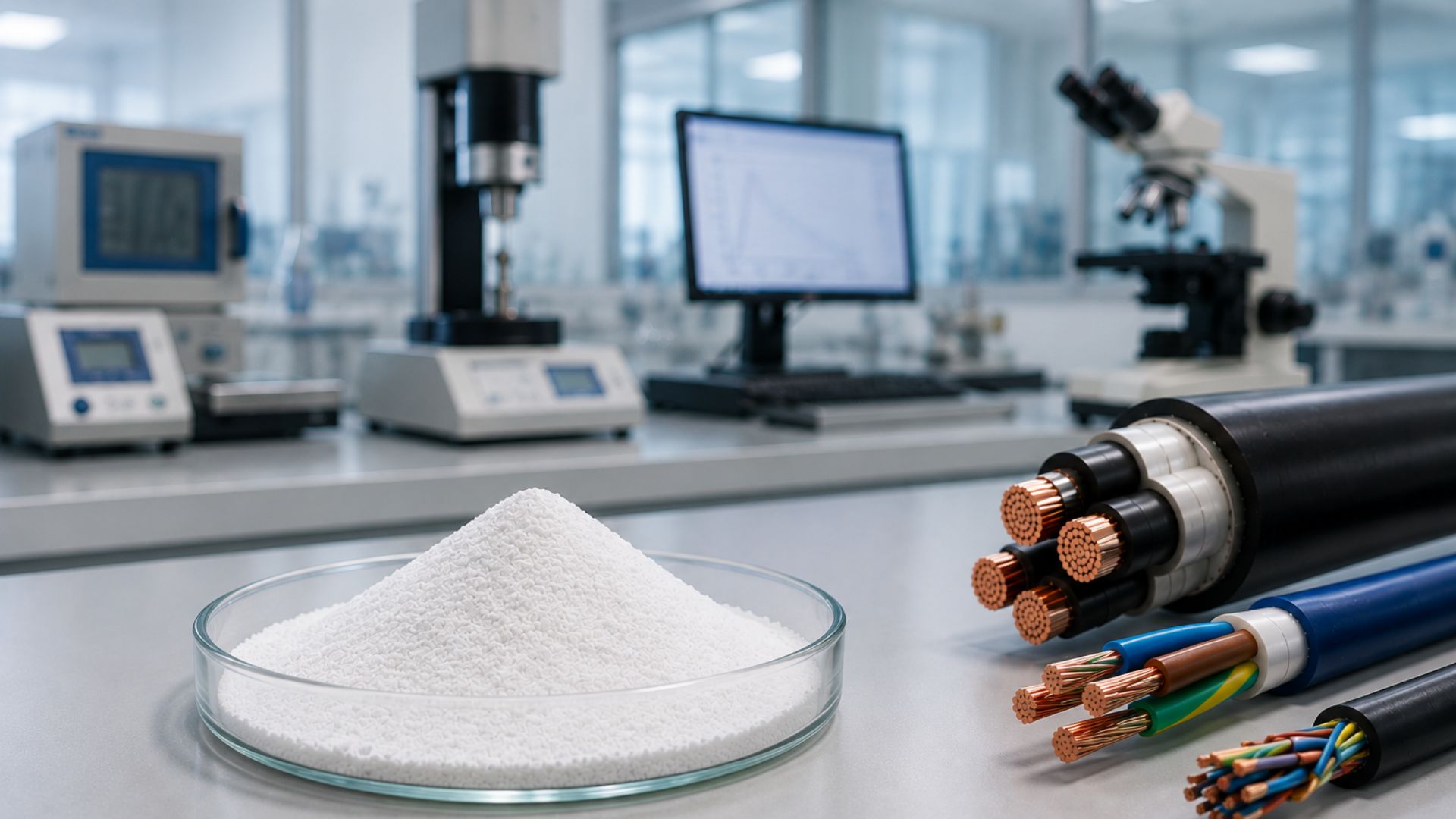
Stabilizer dosage depends on PVC resin K-value, plasticizer type, filler content, processing temperature, required heat stability, and cable standard. Too little stabilizer increases degradation risk. Too much stabilizer may affect cost, fusion behavior, electrical properties, or surface quality.
The correct dosage should be established through compound testing rather than assumed from generic formulation ranges. This is particularly important when changing raw material suppliers or introducing recycled content.
Compatibility
Cable compounds often need a long service life without excessive additive migration. Stabilizer components should remain compatible within the PVC matrix and not contribute to blooming, surface tackiness, discoloration, or electrical instability.
Compatibility is especially important in flexible PVC because plasticizer migration can carry other additives toward the surface. Long-term storage and aging tests are useful for evaluating this risk.
Optimizing the formulation ensures that the new PVC stabilizer for cable and wire delivers both processing stability and long-term service performance.
Conclusion
Selecting the right PVC stabilizer for cable and wire goes beyond ensuring thermal stability. It directly influences processing efficiency, product durability, electrical performance, and regulatory compliance. Whether using lead-based or calcium-zinc stabilizers, manufacturers should optimize the entire PVC formulation to achieve consistent, high-quality cable compounds.
As a trusted global manufacturer of PVC stabilizers, TLD Vietnam provides high-quality PVC stabilizers for cable and wire solutions backed by an experienced technical team. We work closely with customers to develop customized formulations that meet specific processing requirements, regulatory standards, and performance targets for cable and wire applications.