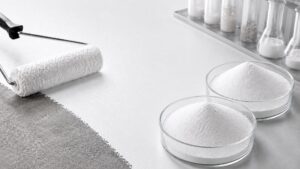

Mulch film helps optimize crop performance while reducing labor efforts. Used to protect soil, suppress weed growth, retain moisture, and regulate soil temperature, mulch film creates an ideal growing environment for crops. This article by TLD Vietnam explores the types of plastics used in film production, the impact of resin quality on effectiveness, and the production process of mulch film.
What Is Mulch Film?
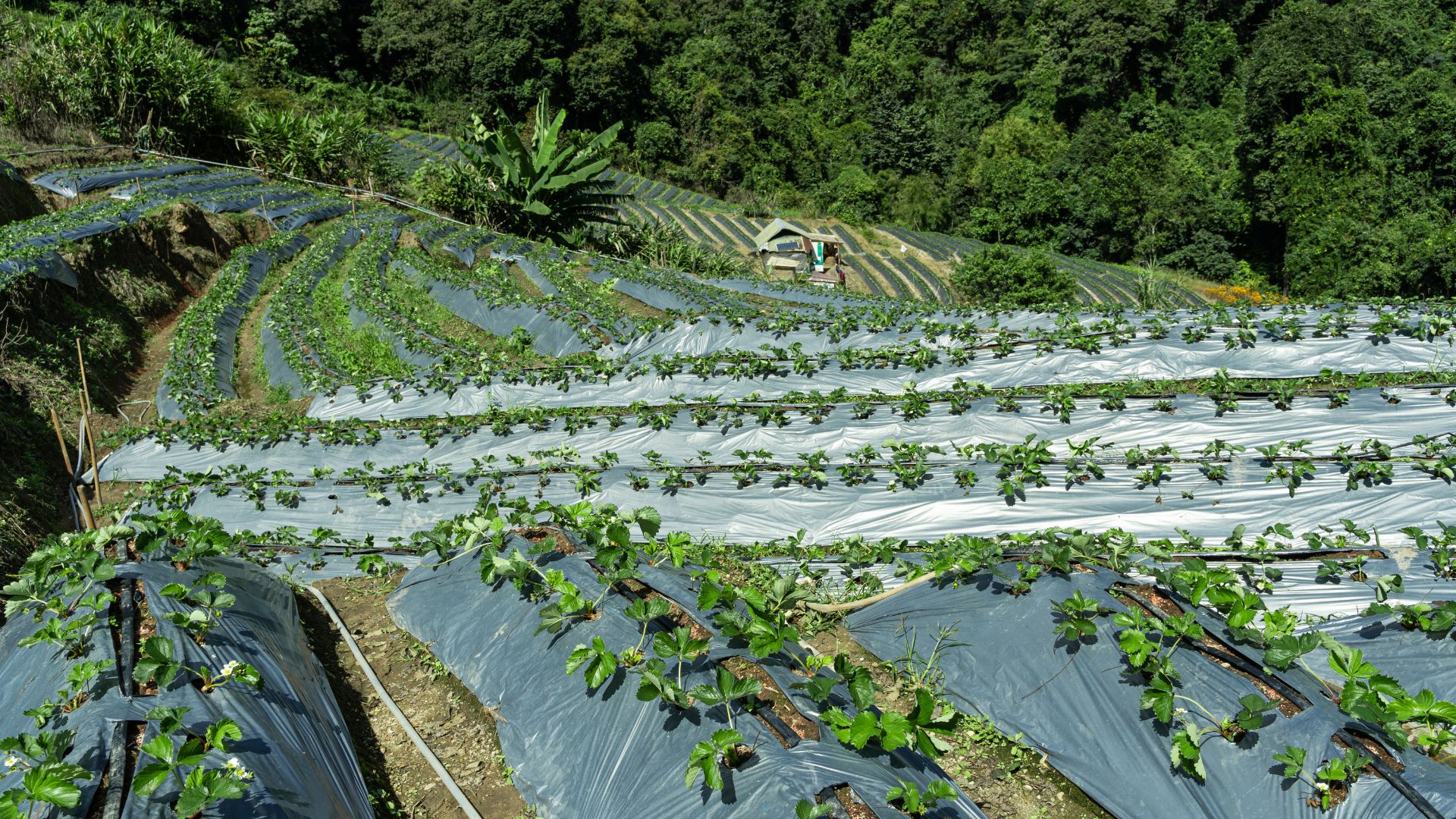
Mulch film is a type of plastic sheeting applied to the soil surrounding crops to suppress weed growth and improve crop productivity. It is widely used in agriculture, both in open-field farming and controlled environments such as greenhouses. Acting as a protective layer over the soil, it helps reduce labor requirements while enhancing crop yield and quality.
Types Of Materials Used In Mulch Film
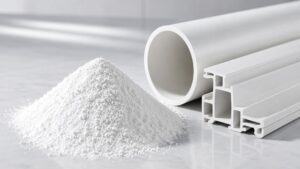
In the production of mulch films, various types of plastic resins are used, with polyethylene being the most common material. It is chosen due to its excellent combination of strength, flexibility, and durability. It provides a reliable solution for agricultural applications where resilience and long-lasting performance are critical.
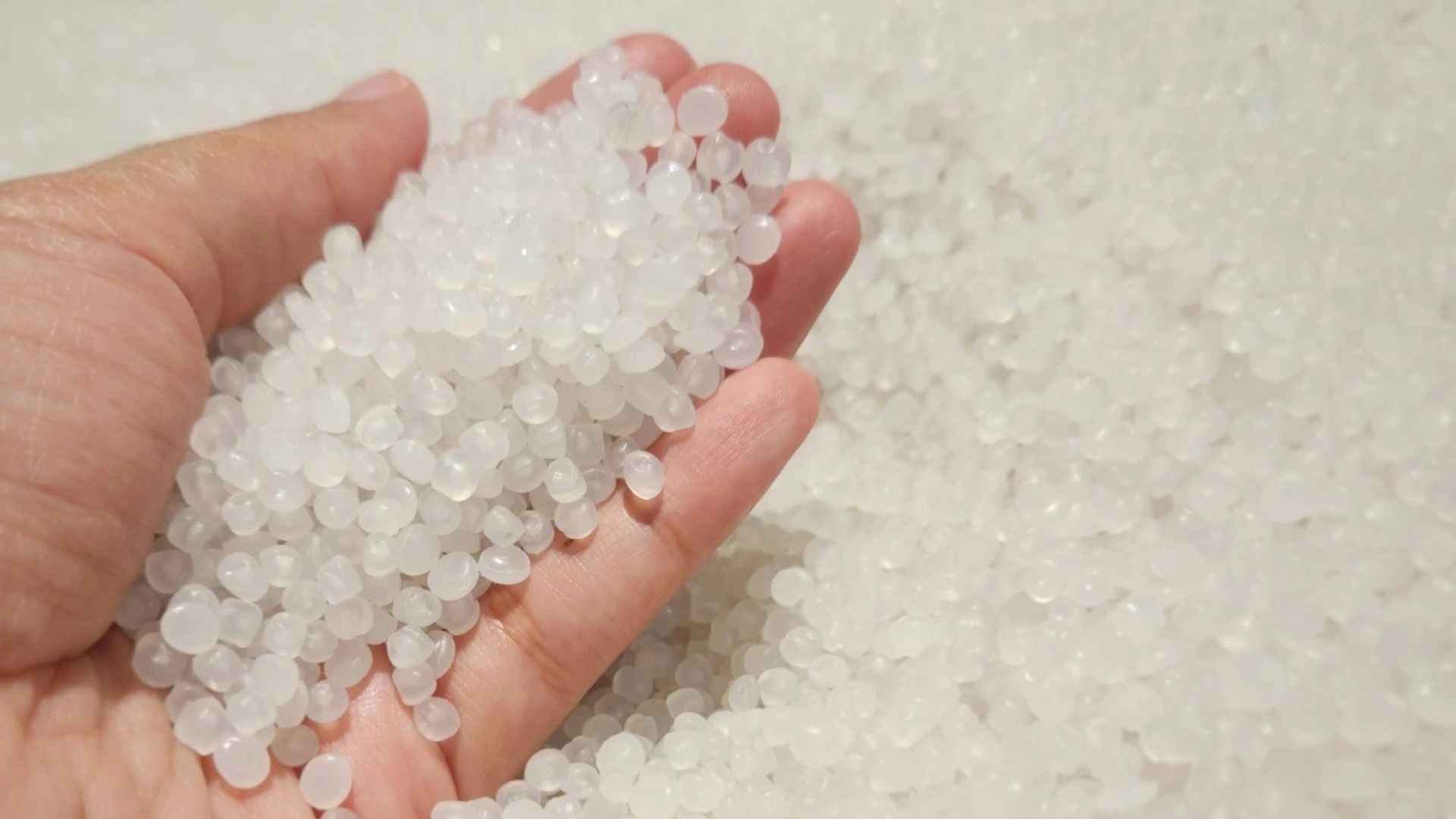
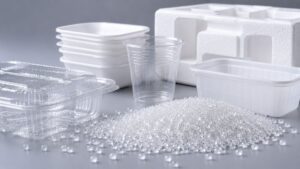
In addition, other plastics such as polypropylene (PP) and bioplastics are also explored for farming film production. Polypropylene offers higher chemical resistance, which can be beneficial in specific agricultural settings. Bioplastics, on the other hand, are gaining attention as sustainable alternatives due to their biodegradability and lower environmental impact.
Each material used in mulch film has distinct properties that impact its performance. Polyethylene, for instance, is known for its high tensile strength, allowing it to endure harsh weather conditions without tearing. It also boasts excellent UV resistance, making it suitable for prolonged exposure to sunlight without degradation. These characteristics are critical for ensuring that the film remains effective throughout the growing season.
Impact Of Resin Quality On The Effectiveness Of Mulch Film
The quality of plastic resin used in agricultural film production plays a crucial role in the product’s longevity and overall performance in agricultural settings. High-quality resins lead to mulch films that are more resistant to degradation from environmental factors such as sunlight, rain, and temperature fluctuations.
For instance, polyethylene films made from high-quality virgin resin are less likely to break down or become brittle, even under prolonged exposure to UV rays. This enhances the durability of the farming film and ensures that it continues to effectively block weeds and retain moisture for a longer period.
Furthermore, the color stability of the film is another critical factor affected by the resin’s quality. High-quality resins help maintain the color of the film, ensuring that the film remains effective in regulating soil temperature and promoting healthy plant growth. The ability to reuse the covering film after harvest can also be influenced by resin quality, with higher-grade resins offering more flexibility for recycling or reusing the material.
Production Process Of Mulch Film
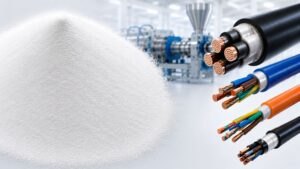
The production of mulch film from resin follows a specific series of steps, starting with the selection of the appropriate material. The most common production method for mulch film is extrusion, where the virgin resin is melted and shaped into a thin, continuous film. During this process, the resin is heated to a precise temperature to ensure that it reaches the desired consistency and flow properties for film production.
Once the resin is melted, it is passed through a die, which shapes the resin into the film. The thickness of the film can be adjusted according to the needs of the agricultural application. The film is then cooled and solidified, and it undergoes additional processes such as stretching or lamination to improve its strength and flexibility.
Quality control is an essential part of the production process to ensure that the film meets the required standards. Factors such as tensile strength, UV resistance, and uniform thickness are carefully monitored during production. Films that do not meet these specifications are rejected, ensuring that only high-quality farming films reach the market.
Functions Of Mulch Film
- Weed Suppression: Mulch film effectively blocks sunlight from reaching weed seeds beneath the soil surface. Without sunlight, weeds cannot perform photosynthesis, preventing their growth and reducing the need for herbicides.
- Soil Moisture Retention: The film acts as a protective barrier that minimizes water evaporation from the soil. This helps maintain consistent soil moisture and significantly reduces irrigation requirements, especially in dry regions.
- Soil Temperature Regulation: Mulch film helps regulate soil temperature by retaining heat or reflecting sunlight, depending on the film color. This creates a more favorable growing environment and can accelerate plant growth during colder seasons.
Applications In Agriculture
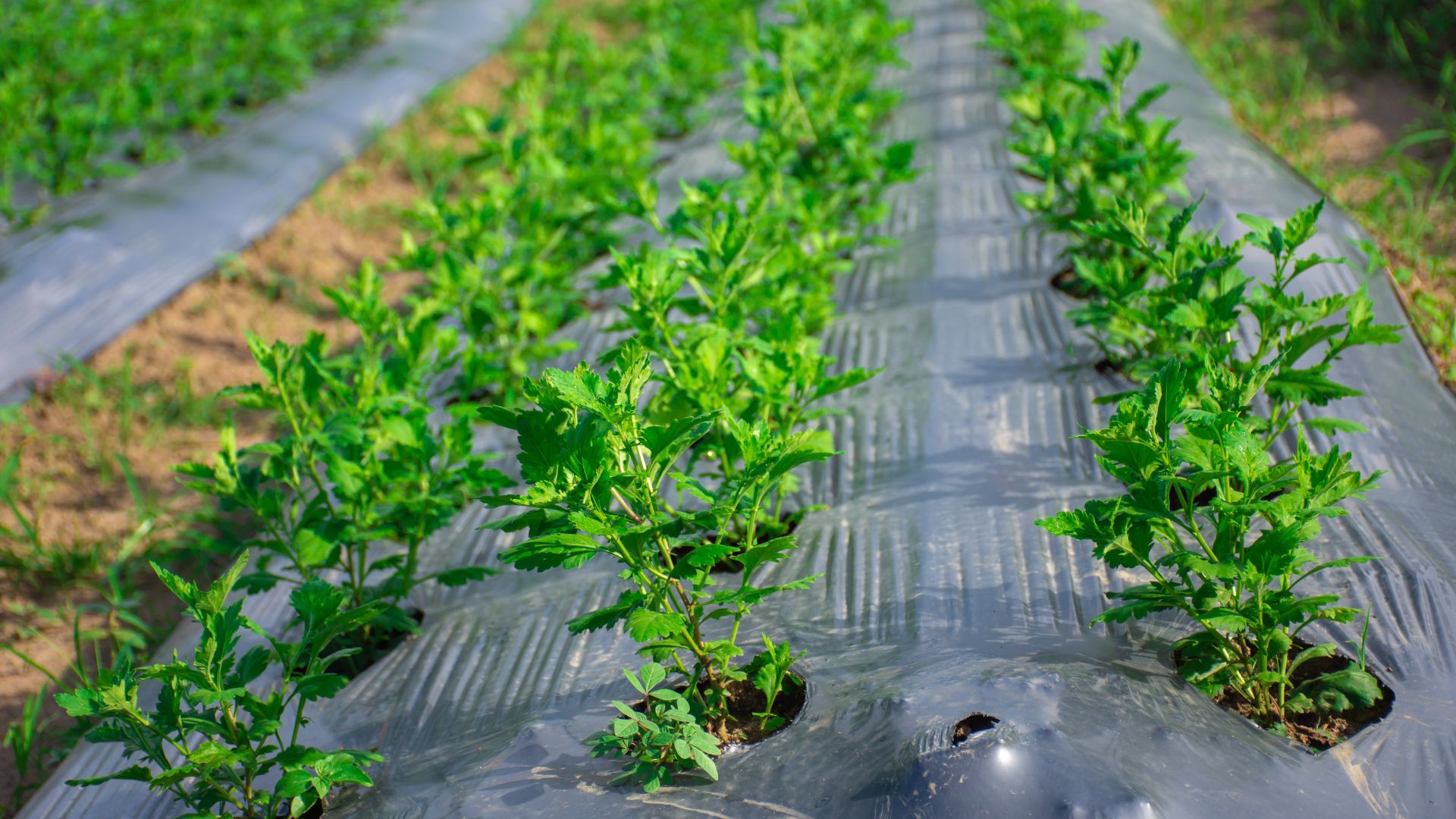
- Outdoor Agriculture: Mulch film is widely used in large-scale agricultural operations, including vegetable farming, orchards, and vineyards. It provides a cost-effective alternative to manual weeding, improving overall efficiency and crop yield.
- Greenhouse Agriculture: In controlled environments like greenhouses, mulch film offers additional benefits such as humidity regulation and disease prevention. Reducing soil splash, it can help to limit the spread of soil-borne diseases, thus promoting healthier crops.
Economic Benefits Of Mulch Film Production
Although plastic resin, such as polyethylene, is more expensive than recycled plastics, its high quality and consistent performance justify the cost. In large-scale production, economies of scale help reduce per-unit costs, making it more affordable over time. Additionally, mulch film can increase crop yields by 20-30%, leading to higher productivity and greater profits, which ultimately outweigh the initial costs of the film.
Conclusion
In conclusion, mulch film offers numerous benefits for agriculture, including weed control, moisture retention, and increased crop yields. Although the initial cost of virgin resin is higher than that of recycled plastics, the long-term benefits, such as labor cost savings and productivity improvements, make it a popular choice in large-scale agricultural production. The use of film not only helps reduce costs but also contributes to the sustainable development of the agricultural sector.
Frequently Asked Questions (FAQs)
1. What are the benefits of using mulch film for weed control?
Mulch film blocks sunlight, inhibiting the growth of weeds. This results in up to a 90% reduction in weed presence without the need for frequent herbicide application.
2. Can it be used in greenhouse agriculture?
Yes, it is highly effective in greenhouse settings, where it helps maintain humidity levels, reduces the spread of diseases, and improves crop health by keeping the growing environment clean.
3. How does mulch film contribute to reducing labor costs?
By minimizing the need for manual weeding, it saves significant labor hours, allowing farmers to allocate their resources more efficiently. It also leads to higher profits due to increased crop yields.