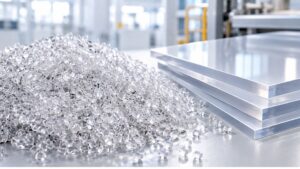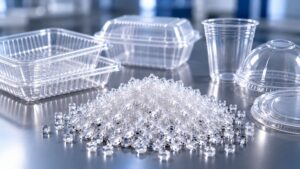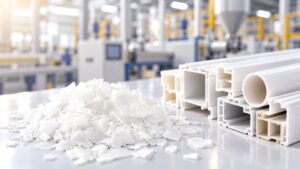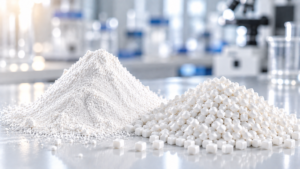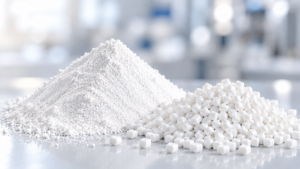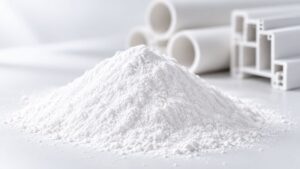

PVC is widely used in applications such as wall panels, ceiling panels, pipes, window profiles, and more. However, PVC yellowing remains one of the most common quality issues in PVC products. Discoloration can occur during processing or long-term use, affecting both product appearance and performance. Understanding the causes of PVC yellowing is essential for manufacturers. In this blog, TLD Vietnam explores the main causes of PVC yellowing, the role of additives, and practical solutions to help reduce discoloration in PVC applications.
What PVC Yellowing Means
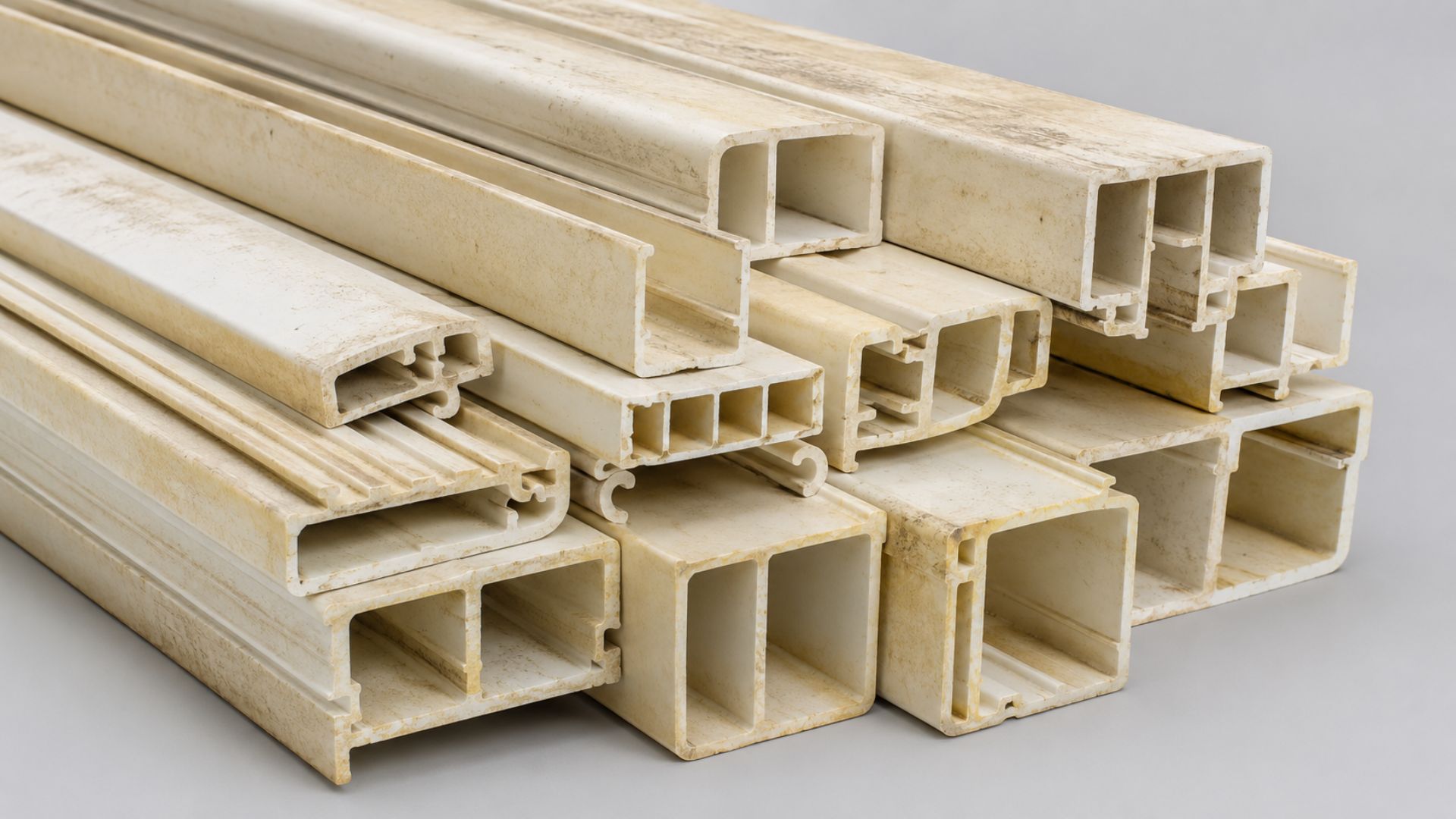
PVC yellowing refers to the visible change in color when a PVC product gradually develops a yellowish tone during processing, storage, transportation, or long-term use. In some cases, PVC yellowing appears immediately after extrusion, calendaring, injection molding, or lamination. In other cases, the product looks acceptable when it leaves the factory but starts to turn yellow after several weeks or months of exposure to heat, sunlight, oxygen, cleaning chemicals, or environments.
From a technical perspective, PVC yellowing should not be treated only as an appearance problem. It can also be an early sign of material instability. When PVC yellowing is caused by internal degradation, it may be associated with loss of brightness, reduced weather resistance, surface defects, brittleness, or declining long-term performance. For manufacturers, this can lead to higher rejection rates, customer complaints, unstable product appearance, and difficulties in maintaining consistent quality between production batches.
Surface Yellowing And Internal Degradation
PVC yellowing can generally be divided into two broad categories: surface discoloration and internal material degradation. Surface discoloration occurs when contaminants accumulate on the product surface. Dust, grease, smoke residue, industrial pollutants, cleaning chemicals, and environmental dirt may create a yellowish appearance even when the PVC compound has not seriously degraded.
Internal degradation is more complicated. It happens when the PVC structure undergoes chemical changes. Heat, oxygen, ultraviolet radiation, poor stabilization, excessive residence time in the machine, unsuitable lubrication balance, and low-quality pigments can all contribute to internal PVC yellowing. This type of PVC yellowing is usually more difficult to reverse because the color change is not just on the surface. It reflects changes within the polymer matrix or the additive system.
A practical way to distinguish the two is to observe whether cleaning improves the appearance. If the yellow tone can be reduced by proper surface cleaning, contamination is likely involved. If the yellow color remains unchanged, especially when accompanied by brittleness, uneven gloss, or loss of mechanical strength, the problem is more likely related to degradation, formulation, or processing conditions.
The Chemical Mechanism Behind PVC Yellowing
Dehydrochlorination and polyene formation
To understand PVC yellowing, it is necessary to understand the thermal sensitivity of PVC. PVC contains Chlorine atoms in its polymer chain. Under heat, shear, oxygen, or ultraviolet exposure, PVC can release Hydrogen Chloride. This process is known as dehydrochlorination. Once Hydrogen Chloride is released, it can further accelerate degradation through an autocatalytic reaction, meaning the degradation process can become faster once it starts.
As degradation progresses, conjugated double-bond sequences, often referred to as polyene structures, may form along the PVC chain. These structures absorb visible light differently from the original polymer, which leads to color change. At the early stage, the color may shift slightly from white to cream or pale yellow. With more severe degradation, the material may become deeper yellow, brown, or even darkened.
This is why PVC yellowing is often closely related to thermal stability. A PVC compound that does not have sufficient heat stabilization may look yellow after processing, even before it is exposed to outdoor conditions. The issue may become more serious when the processing temperature is too high, the residence time is too long, or the compound is exposed to excessive shear.
Oxidation and long-term aging
Oxygen also plays an important role in PVC yellowing. During storage or use, especially under heat and sunlight, oxidation reactions can gradually change the polymer structure and affect the color stability of the product. Oxidation may also interact with other factors such as ultraviolet radiation, pigment quality, stabilizer efficiency, and plasticizer migration.
In real applications, PVC yellowing rarely comes from one single cause. It is usually the result of several factors working together.
Main Causes Of PVC Yellowing
Formulation
The formulation is the foundation of color stability. If the stabilizer system is weak, the pigment quality is poor, or the lubricant balance is unsuitable, PVC yellowing can occur even under normal processing conditions. In white PVC products, the formulation must provide both initial whiteness and long-term color retention.
Heat stabilizers are especially important because they help control the degradation of PVC during high-temperature processing. If the heat stabilizer dosage is insufficient or the stabilizer type is not suitable for the application, PVC yellowing may appear during extrusion, molding, or calendaring. The product may come out of the machine with a cream tone, uneven color, or reduced brightness.
Pigments also have a strong influence on PVC yellowing. Titanium dioxide is commonly used to provide whiteness, opacity, and ultraviolet resistance. However, not all Titanium dioxide grades perform the same. Poor dispersion, low weathering resistance, or unsuitable surface treatment can reduce the ability of the pigment to protect the PVC matrix. For outdoor products, the selection of titanium dioxide is particularly important because it affects both color retention and resistance to ultraviolet degradation.
Lubricants can also affect PVC yellowing indirectly. Internal and external lubricants control fusion, melt flow, friction, and metal release during processing. If the lubrication system is not balanced, the compound may fuse too early, too late, or unevenly. Poor fusion can create localized overheating, rough surfaces, unstable gloss, and uneven color. Excessive external lubrication may delay fusion, while insufficient lubrication may increase friction and heat generation. Both situations can increase the risk of PVC yellowing.
Processing
Processing conditions are often underestimated when analyzing PVC yellowing. Even a well-designed formulation can turn yellow if the processing window is not properly controlled. Temperature, screw speed, residence time, shear, die design, cooling efficiency, and machine cleanliness all influence final color.
High processing temperature is one of the most direct causes of PVC yellowing. PVC is sensitive to thermal degradation, so overheating can trigger hydrogen chloride release and accelerate color change. This can happen when barrel zones are set too high, when the die temperature is excessive, or when material stays too long inside the machine.
Residence time is another key factor. If PVC compound remains inside the extruder, injection barrel, or hot mixer for too long, degradation becomes more likely. This is especially relevant during production stoppages, slow start-ups, unstable feeding, or color changes between batches. Material trapped in dead zones may degrade and later mix into fresh material, causing yellow streaks, dark spots, or uneven PVC yellowing.
Shear and friction also matter. Excessive mechanical shear can raise the actual melt temperature beyond the set temperature displayed on the control panel. In practical production, the displayed barrel temperature does not always represent the real thermal history of the PVC melt. Therefore, PVC yellowing can occur even when the machine settings are normal.
Environment
Environmental exposure is another major driver of PVC yellowing. Outdoor PVC products are continuously exposed to sunlight, heat, humidity, oxygen, dust, and pollutants. Ultraviolet radiation can break chemical bonds and initiate photo-oxidative degradation. Over time, this leads to loss of whiteness, chalking, surface dullness, and PVC yellowing.
Indoor environments can also cause PVC yellowing. Kitchen cabinets, ceiling panels, decorative boards, and furniture components may be exposed to cooking oil, smoke, heat, cleaning agents, and poor ventilation. These factors can create surface discoloration and may also accelerate aging when the PVC compound has limited resistance to heat and chemicals.
Chemical exposure is particularly important. Strong cleaning agents, solvents, acids, alkalis, and industrial pollutants may attack the surface layer of PVC or react with additives. In some cases, the yellowing is not uniform but appears as stains, patches, or streaks. This type of PVC yellowing can be difficult to diagnose because it may depend on the actual chemicals used by the end user.
Plasticizer loss
Plasticizer loss is relevant mainly for flexible PVC products. Plasticizers are added to improve softness, flexibility, and processing performance. Over time, some plasticizers may migrate to the surface, evaporate, or degrade under heat and environmental exposure. This can cause the product to become harder, less flexible, and more prone to discoloration.
When PVC yellowing is accompanied by stickiness, surface blooming, brittleness, or loss of flexibility, plasticizer migration should be considered. The issue may be related to plasticizer type, compatibility, dosage, heat exposure, or contact with other materials. In flexible PVC applications, long-term color stability cannot be separated from plasticizer stability.
How PVC Additives Help Reduce PVC Yellowing
Heat stabilizers and color retention
Heat stabilizers are central to controlling PVC yellowing because they help reduce thermal degradation during processing and service life. Their main function is to neutralize hydrogen chloride, replace unstable chlorine atoms, and slow down the degradation chain reaction. A good stabilizer system helps maintain initial color, improve long-term heat stability, and reduce discoloration during processing.
Lead stabilizers have historically been used because of their strong thermal stability, processing tolerance, and cost efficiency. They can provide good color stability in many rigid PVC applications. However, environmental and regulatory pressure has reduced their use in many markets and applications.
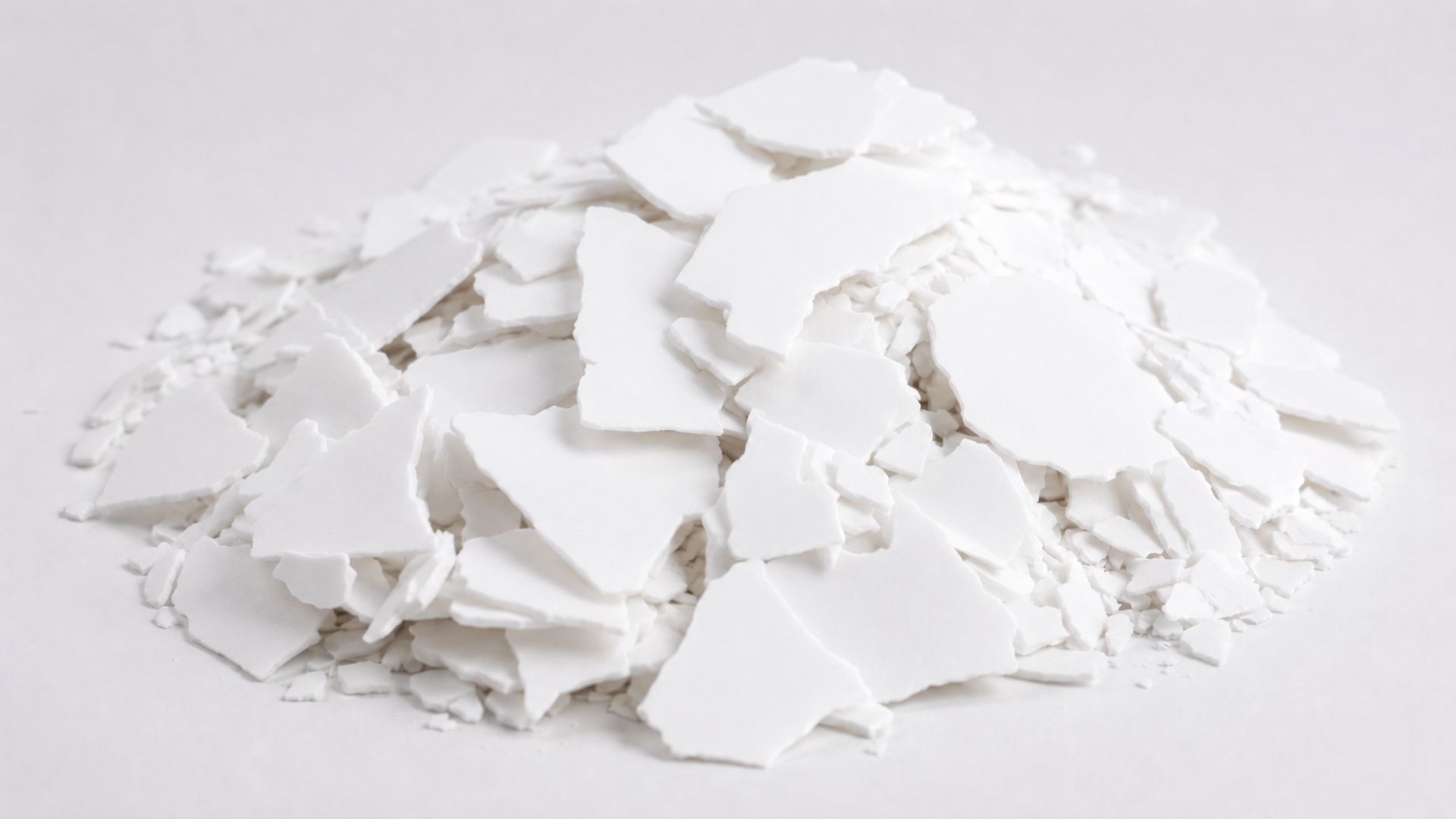
Calcium zinc stabilizers are widely used as lead-free alternatives. They are increasingly preferred in applications that require better environmental compliance, especially in products for export, interior use, consumer goods, or markets with stricter safety standards. However, it is important to understand that calcium-zinc systems must be properly formulated. Their performance depends on the balance between calcium, zinc, co-stabilizers, lubricants, antioxidants, and processing conditions.
The key point is that no stabilizer works independently of the rest of the formulation. To reduce PVC yellowing, the stabilizer must match the resin, filler, pigment, lubricant package, processing method, and final application.
Processing Aids and Fusion Control
Processing aids, especially acrylic processing aids, are commonly used to improve fusion, melt strength, surface quality, and processing stability. They do not function as primary anti-yellowing additives in the same way as heat stabilizers. However, they can reduce PVC yellowing indirectly by making the processing behavior more stable.
When PVC fusion is poor, the compound may show uneven melting, a rough surface, weak mechanical properties, and inconsistent color. When fusion is too aggressive, the material may experience excessive heat build-up and higher degradation risk. A suitable processing aid helps the compound fuse more uniformly, reduces processing defects, and supports better surface appearance.
In extrusion applications such as profiles, panels, sheets, and pipes, proper fusion is essential. A compound that processes smoothly with controlled melt strength is less likely to experience localized overheating. This is why processing aids are important in practical PVC yellowing control, even though they are not the main chemical stabilizer.
Lubricants
Lubricants help control friction between PVC particles, between the melt and metal surfaces, and within the processing equipment. Internal lubricants improve flow within the melt, while external lubricants reduce sticking to metal surfaces. The balance between these two functions affects fusion time, melt temperature, surface gloss, output stability, and color consistency.
Metallic stearates such as Calcium stearate, Zinc stearate, Magnesium stearate, and Lithium stearate are often used in PVC processing. They can support lubrication, dispersion, and processing stability. Calcium stearate is commonly associated with external lubrication and acid scavenging support, while Zinc stearate can contribute to lubrication and early color performance in certain stabilizer systems. However, metallic stearates must be used carefully.
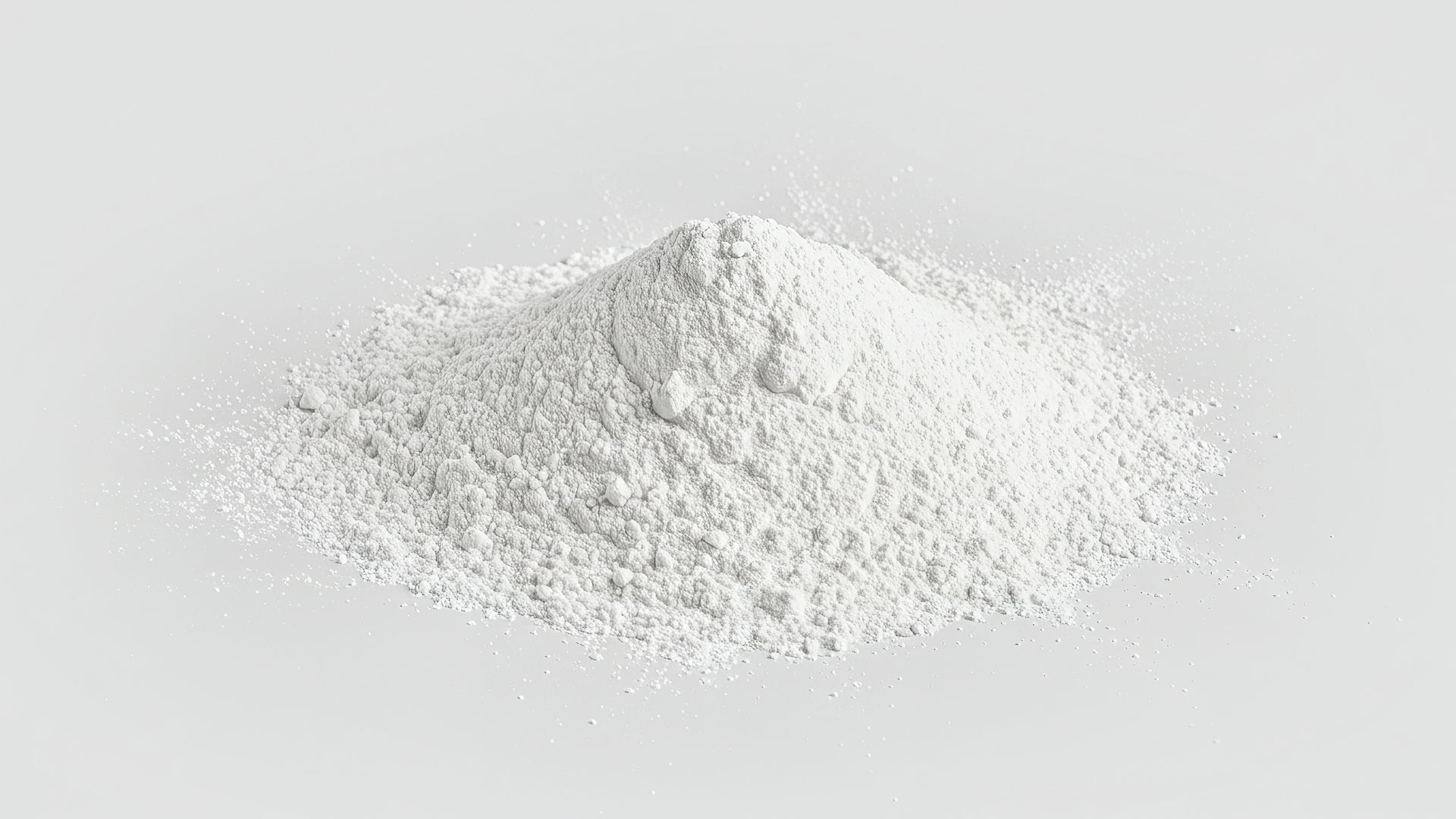
Excessive lubricant dosage can delay fusion and create poor melt homogeneity. Insufficient lubrication can increase friction, raise processing temperature, and promote degradation. In both cases, PVC yellowing may become more visible. Therefore, lubricant optimization is not simply a matter of adding more lubricant. It requires balancing fusion, flow, release, surface quality, and heat history.
Titanium Dioxide
Titanium dioxide is one of the most important pigments for white PVC products. It provides whiteness, opacity, brightness, and light scattering. In outdoor applications, Titanium dioxide also contributes to ultraviolet protection by helping shield the polymer from sunlight.
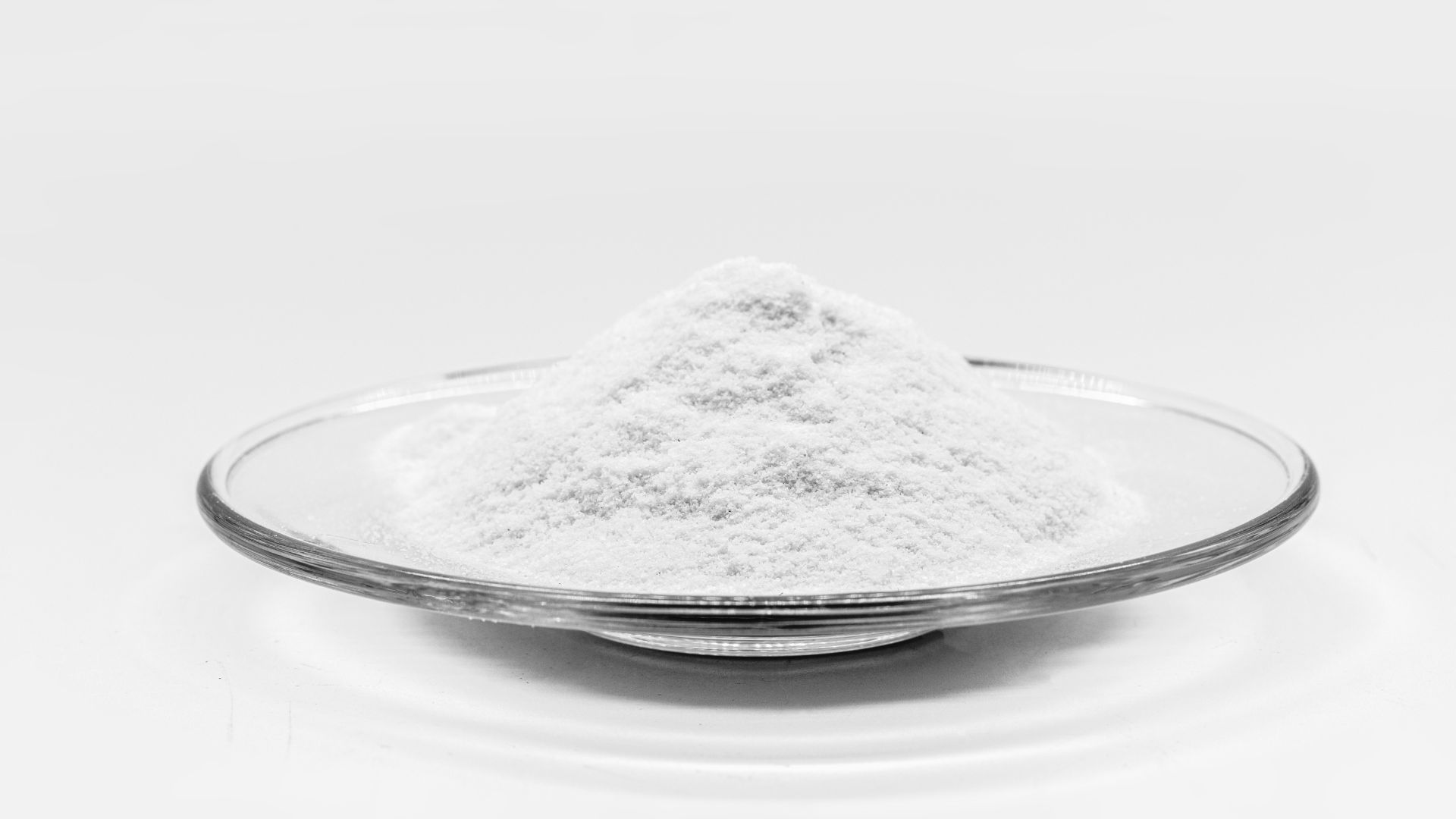
For products exposed to outdoor conditions, rutile Titanium dioxide with suitable surface treatment is generally preferred because it offers stronger weathering resistance than many lower-grade alternatives. Poor-quality Titanium dioxide may provide initial whiteness but fail to maintain long-term color stability. This can result in faster PVC yellowing, loss of gloss, or surface chalking.
The performance of Titanium dioxide also depends on dispersion. If the pigment is not well dispersed, the product may show uneven color, weak opacity, or localized defects. Good dispersion allows the pigment to protect the material more uniformly and helps maintain a cleaner white appearance over time.
How To Prevent PVC Yellowing In Manufacturing
Formulation for each application
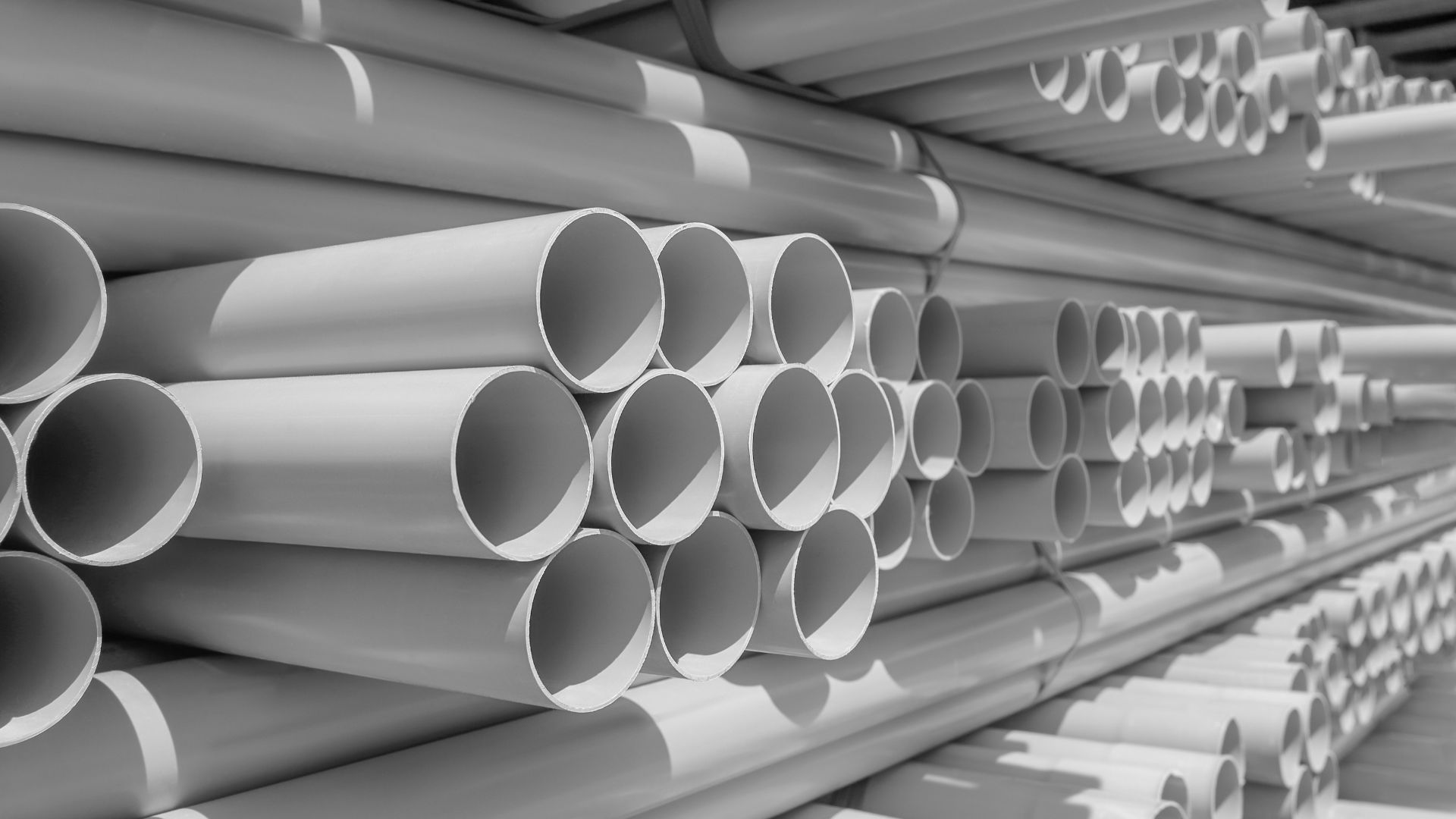
The prevention of PVC yellowing starts with understanding the final application. Indoor furniture boards, electrical fittings, wall panels, outdoor profiles, pipes, flexible films, and cable compounds do not require the same formulation strategy. Each application has different exposure conditions, processing requirements, cost targets, and durability expectations.
For indoor white products, initial color, surface finish, and resistance to cleaning chemicals may be more important. For outdoor products, UV resistance, weathering stability, long-term color retention, and thermal aging become more critical. For flexible PVC, plasticizer stability and migration resistance must also be considered.
A stable formulation should combine a suitable heat stabilizer, an appropriate lubricant balance, a reliable pigment system, a processing aid when needed, and additives selected for the actual exposure environment. This integrated approach is more effective than trying to solve PVC yellowing by increasing only one additive.
Control processing conditions
Processing control is essential. Even the best formulation can fail if the processing window is not respected. Temperature settings should be optimized to avoid both under-fusion and overheating. Screw speed, residence time, feeding stability, cooling conditions, and die cleanliness should be controlled carefully.
Regular machine cleaning is also important. Degraded PVC remaining in dead zones can contaminate new production and cause yellow streaks or dark particles. Production interruptions should be managed carefully because stagnant material inside hot equipment can degrade quickly. For white PVC products, even a small amount of degraded material can cause visible PVC yellowing.
Test before full-scale production
Laboratory evaluation and pilot trials are necessary when changing stabilizers, titanium dioxide, fillers, lubricants, or processing aids. A formulation that looks acceptable in a short trial may still show PVC yellowing after heat aging, weathering exposure, or long production runs.
Useful tests may include oven aging, dynamic thermal stability, color measurement, whiteness index, yellowness index, UV exposure, impact testing, surface gloss measurement, and real-use simulation. These tests help identify whether PVC yellowing is caused by poor initial stability, weak long-term aging resistance, or unsuitable processing conditions.
Conclusion
PVC yellowing is mainly caused by heat, UV exposure, oxidation, poor processing conditions, and low-quality additives. Preventing this issue requires a stable formulation, proper processing control, and high-quality additives such as heat stabilizers, processing aids, lubricants, and pigments. With the right material selection and production conditions, PVC products can maintain better color stability, appearance, and durability over time.