
As sustainability and environmental awareness become increasingly important worldwide, industries are on the lookout for creative ways to lessen the carbon emissions. In the automotive field, one notable advancement is the integration of Polypropylene. In this blog post, TLD Vietnam will take a closer look at the benefits of Polypropylene in the automotive industry.

What Is Polypropylene?
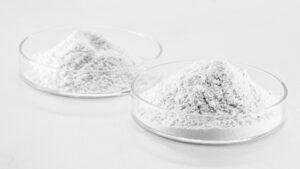
Polypropylene is a durable, rigid, and crystalline thermoplastic polymer made from the monomer propylene. Known for its low density, this material stands out as the lightest among common plastics and offers strong chemical resistance. Polypropylene can be modified with different additives to meet unique application needs.
How Is Polypropylene Processed?
Polypropylene can be manufactured through several processing methods, including injection molding, extrusion, blow molding, and thermoforming. In these processes, the polymer is heated until it melts, then shaped into specific forms or products according to the requirements of each application. Below are further insights into Polypropylene processing:
Injection molding
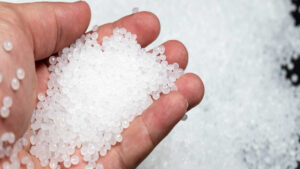
In this method, Polypropylene pellets are melted and then injected into a mold under high pressure. Once cooled and solidified, the mold is opened, and the and the final product is ejected. Injection molding is widely used for producing complex shapes, including automotive components, household items, and consumer products.
Extrusion
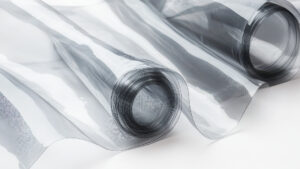
Polypropylene can be processed through extrusion, a technique in which the melted polymer is forced through a die to produce continuous shapes such as profiles, sheets, or films. After extrusion, the material is cooled and solidified. This method is frequently used for producing pipes, tubes, sheets, and packaging films.
Blow molding
In blow molding, Polypropylene is heated and shaped into a hollow tube, known as a parison, within a mold. Compressed air is then used to inflate the parison, pressing it against the mold’s walls. Once cooled, the mold is opened, and the finished hollow item, like a bottle or container, is removed.
Thermoforming
Thermoforming is a process in which a sheet of Polypropylene is heated until it softens, then shaped over a mold. After cooling, the shaped product is trimmed. This method is frequently used for making items like packaging trays, disposable cups, and interior automotive parts.
Why Polypropylene Is Preferred In The Automotive Industry

As the automotive industry shifts toward more sustainable, cost-effective, and efficient production, material choice has become a critical factor. And Polypropylene stands out as a top option. In the following section, we will explore why Polypropylene has become a preferred material in the automotive sector by examining the main characteristics.
Chemical resistance
Impact strength
Moisture resistance
High heat resistance
Recyclability
Durability
Weight reduction
Heavier vehicles typically require more energy to move, leading to higher fuel consumption and increased emissions, affecting the environment and causing an economic impact due to high fuel costs. Besides, the weight of the vehicle also affects handling and performance. Lighter cars often have better acceleration. In terms of safety, the weight of the car can affect braking distance and the level of impact during a collision. As Polypropylene is lightweight, the use of polypropylene reduces the overall weight of the vehicle, leading to fuel savings, reduced emissions and improved performance.
Good mechanical strength
Good mechanical strength is essential for the automotive industry. It ensures that vehicle components can withstand the stresses and forces they encounter during operation, such as impacts, vibrations, and pressure. Strong materials help improve the durability, safety, and performance of automotive parts, including structural components, engine parts, and body panels. This contributes to the overall reliability of the vehicle, reduces maintenance costs, and enhances safety in case of collisions. Materials with good mechanical strength like Polypropylene help ensure that vehicles meet regulatory safety standards and perform well under various driving conditions.
Low moisture absorption
Low moisture absorption is beneficial for automotive applications. Materials with low moisture absorption, like Polypropylene, help prevent the deterioration of parts due to water or humidity. This property ensures that automotive components maintain their strength, performance, and appearance over time, especially in environments with fluctuating temperatures and humidity.
It also reduces the risk of corrosion in metal parts and prevents swelling or warping in plastic components.
Application Of Polypropylene In The Automotive Industry

Polypropylene is widely used in the automotive industry. Some key applications of polypropylene in the automotive industry include:
Interior components: Polypropylene is commonly used for interior parts like dashboards, door panels, center consoles, and trim pieces. Its lightweight nature contributes to overall fuel efficiency, while its durability ensures these parts withstand wear and tear.
Exterior parts: It is used for bumpers, fenders, and exterior panels due to its impact resistance and ability to absorb shocks. Polypropylene helps reduce the weight of these components while maintaining their strength and resilience.
Under-the-Hood components: Polypropylene is used in engine covers, battery trays, and other under-the-hood components because of its resistance to high temperatures, chemicals, and oils. Its ability to resist degradation in harsh environments makes it ideal for these applications.
Fuel tanks: Polypropylene is often used in the manufacturing of fuel tanks due to its chemical resistance, which protects it from the corrosive effects of fuel and other fluids.
Automotive lighting: Polypropylene is used in light housings and lenses as it provides good protection against moisture, impacts, and UV light.
Automotive filtration: Polypropylene is used in air filters and cabin filters in vehicles due to its resistance to moisture and its ability to filter fine particles effectively.
Packaging: Polypropylene is also used for automotive packaging, providing a durable, lightweight option for shipping and protecting automotive parts during transportation.
These applications show how Polypropylene’s properties, such as impact resistance, low moisture absorption, chemical resistance, and lightweight nature, make it a versatile and essential material in the automotive industry.
Conclusion
Polypropylene has proven itself to be an indispensable material in modern automotive manufacturing. Its unique combination of lightweight properties, durability, chemical and moisture resistance, and cost-effectiveness makes it an ideal choice for a wide range of automotive applications. From interior components and bumpers to battery cases and fuel tanks, Polypropylene contributes significantly to vehicle performance, fuel efficiency, and sustainability.
As industries increasingly prioritize environmental consciousness, the recyclability of Polypropylene further enhances its value, reducing waste and promoting sustainable manufacturing practices.
TLD Vietnam – Leading Supplier Of Polypropylene Resin For Automotive Industry
TLD Vietnam remains committed to exploring and supplying high-quality Polypropylene solutions that help automotive manufacturers meet performance standards while advancing sustainability goals.