
Chlorinated Polyethylene (CPE) is a high-performance material that has gained significant importance across various industries due to its exceptional versatility and remarkable properties. As a thermoplastic polymer derived from the chlorination of polyethylene, CPE is an ideal choice for a wide range of applications. In this blog post, TLD Vietnam will shed light on why it has become a preferred material in today’s industrial landscape.

The Basic Definition Of CPE
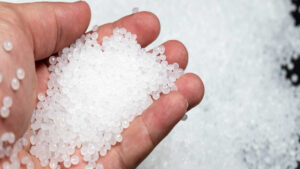
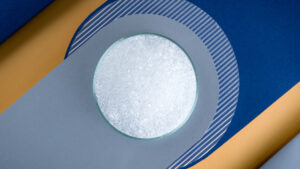
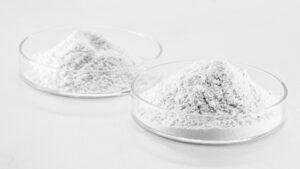
CPE is made from high-density polyethylene with molecular formula: (CH2-CHCl-CH2-CH2)n. It is the main PVC impact modifier with double performance of the plastic and rubber. It significantly enhances the toughness, impact resistance and anti-aging properties of rigid PVC products by elevating their melting point. CPE is typically found in the form of a powdered substance.
CPE Manufacturing Process
CPE is manufactured primarily through two distinct processes: suspension chlorination and solution chlorination, each offering unique characteristics to the final product.
Suspension Chlorination
In this method, polyethylene particles are dispersed in water, creating a suspension. Chlorine gas is then introduced into the mixture, initiating the chlorination process. This approach is particularly effective in producing CPE with lower density. The suspension chlorination process is valued for its ability to evenly chlorinate the polyethylene particles, which contributes to the uniformity of the end product.
Solution Chlorination
Unlike suspension chlorination, this process involves dissolving polyethylene in a suitable solvent before introducing chlorine gas. The polyethylene is fully dissolved, allowing for a more thorough and controlled chlorination process. As a result, solution chlorination typically yields CPE with higher density. The higher density CPE is prized for its enhanced tensile strength and rigidity, making it ideal for applications that require more robust material properties.
Both methods of chlorination play a vital role in determining the physical and mechanical properties of the CPE, enabling manufacturers to tailor the material to meet specific industrial needs. Whether prioritizing flexibility and impact resistance or seeking greater tensile strength and rigidity, the choice between suspension and solution chlorination allows for the production of CPE with tailored properties to suit a wide range of applications.
Characteristics Of CPE
CPE boasts excellent weather resistance. It can even be combined with rubbers for additional applications. Notably, CPE is naturally flame retardant. When used as an additive in PVC products, CPE improves their flexibility and impact resistance of the products.
CPE also offers electrical properties, making it suitable for various applications. It is also preferred since it is inexpensive. Since it is odorless and nontoxic, its chemical and physical performance increases.
Moreover, CPE is a fully saturated rubber characterized by outstanding chemical properties, including resistance to thermal oxygen aging, ozone aging, as well as acids and alkalis. CPE is non-toxic and contains non-heavy metals, thus fully satisfying stringent environmental standards.
What Is It Used For?
Although it can be used by itself as a special synthetic rubber, CPE is a versatile product that is compounded with other materials to achieve different properties and products.
CPE has several applications in a wide range of industries. The most basic applications include:
Construction

In construction applications, it serves as an impact modifier, bolstering the material’s strength. It is sometimes added to building materials, such as underground drainage, door and profiles, rainwater goods.
Wiring and Cables

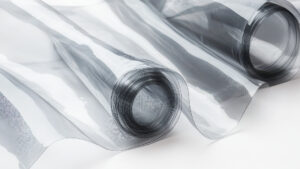
When combined with other rubber materials, CPE is primarily used to manufacture wires, cables, hydraulic hoses, and plastic sheets.
Flooring

CPE can be used as an additive in flooring applications significantly contributes to the durability, safety, and performance of various flooring types. Whether used in residential, commercial, or industrial settings, CPE-enhanced flooring materials offer reliable and long-lasting solutions that meet diverse application needs.
Foam board

CPE is added to foam boards to increase their flexibility and toughness. Therefore, product can be more resistant to cracking, bending, or breaking under stress. This is particularly important for foam boards used in construction and packaging.
Water Pipes

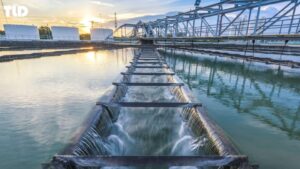
CPE contributes to water and energy conservation by facilitating the production of leak-resistant water pipes capable of withstanding environmental pressure. Building materials containing CPE exhibit high durability and low fracture rates, thereby improving functionality and enhancing energy efficiency.
Environmental And Economic Benefits Of CPE
Conclusion
CPE is a flexible thermoplastic resin highly valued for its chemical resistance, weather resistance and fire resistance properties. This unique combination of characteristics makes it a top choice in various applications across industries such as automotive, construction, electrical, and consumer goods. As technology continues to advance, we can expect to see further innovations and new applications of it in the coming years.