Lead Stabilizer
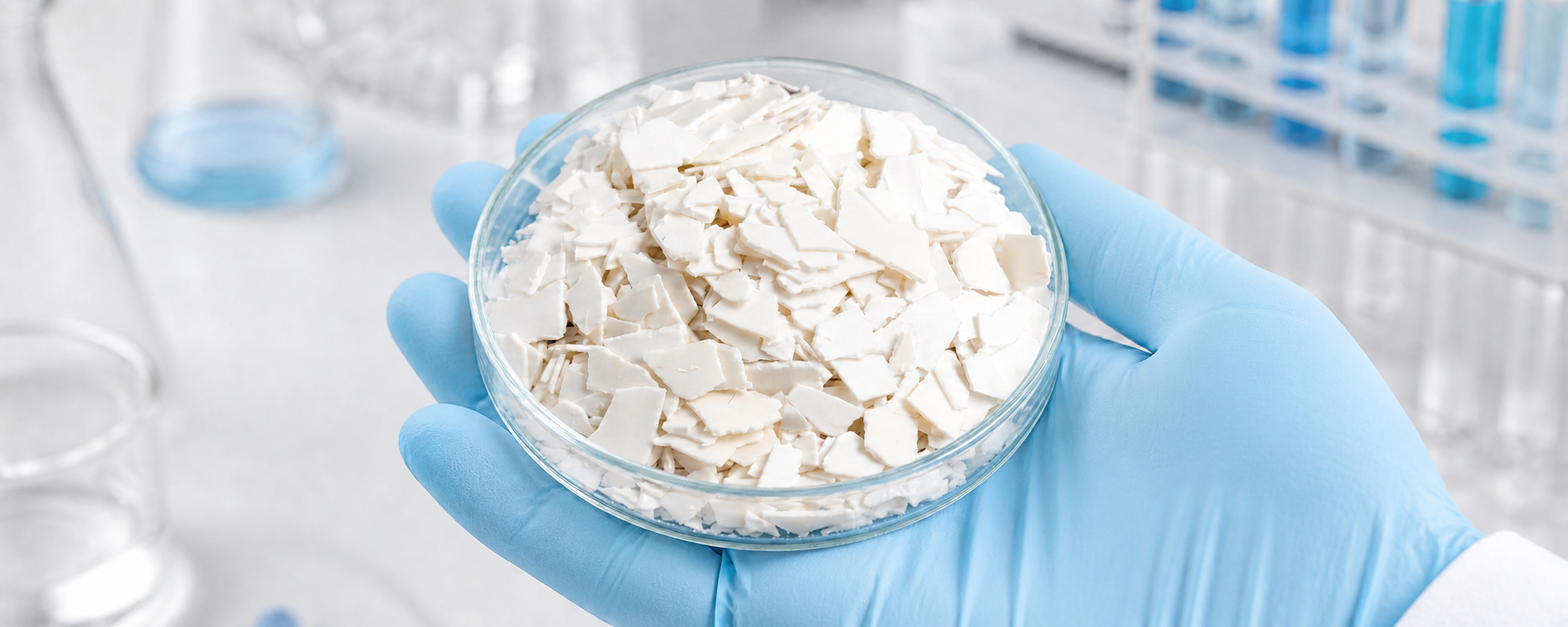
Lead Stabilizer is a class of Lead-based thermal stabilizing additives specifically formulated to protect Polyvinyl Chloride (PVC) against thermally induced degradation during melt processing and prolonged exposure to elevated temperatures. These stabilizers typically incorporate inorganic and organometallic lead compounds, including tribasic lead sulfate, dibasic lead phosphite, dibasic lead stearate, and other lead-containing salts, either individually or in combination with lubricants and auxiliary processing additives.
The thermal stabilization mechanism primarily involves the neutralization of Hydrogen chloride (HCl) released during PVC dehydrochlorination, together with the stabilization of thermally labile sites along the polymer chains. By suppressing autocatalytic degradation reactions and limiting the formation of conjugated polyene sequences, Lead-based stabilizers reduce thermal discoloration, preserve polymer chain integrity, and improve the retention of mechanical and electrical properties under appropriate processing conditions.
Lead Stabilizers are characterized by high thermal stabilization efficiency, sustained resistance to heat-induced degradation, and favorable electrical insulation characteristics. Depending on their chemical composition and formulation, they are commercially available as powders, flakes, or granules and are traditionally applied in rigid PVC pipes, fittings, profiles, cable insulation, and other PVC products requiring extended processing stability and long-term thermal performance.
Heat Stability
Lead-based stabilizers provide effective thermal stabilization by neutralizing HCl released during PVC processing and reducing the propagation of autocatalytic dehydrochlorination reactions. Their high acid-neutralization capacity and sustained stabilizing efficiency extend the thermal processing window, particularly during extrusion and compounding operations. By limiting thermally induced structural changes within the polymer matrix, these additives preserve molecular integrity, minimize heat-related discoloration, and maintain consistent melt-processing characteristics under controlled manufacturing conditions, particularly in rigid PVC formulations requiring prolonged thermal exposure and reliable processing stability.

Thermal Degradation
Lead stabilizers mitigate the thermal degradation of PVC through HCl scavenging and reactions that reduce the activity of thermally labile sites within polymer chains. These mechanisms restrict progressive dehydrochlorination and the development of conjugated polyene structures responsible for discoloration and deterioration of material properties. Effective stabilization improves initial color retention, delays thermal aging, and reduces the rate of polymer degradation during repeated thermal exposure. The resulting performance depends on stabilizer chemistry, dosage, processing temperature, residence time, and interactions with other formulation components.
Enhance Weather Resistance
Lead-based stabilizers contribute to the long-term durability of PVC formulations by reducing degradation associated with thermal exposure and heat-accelerated chemical reactions under outdoor service conditions. Their ability to neutralize acidic degradation products and limit structural deterioration helps preserve material integrity during prolonged temperature fluctuations. However, resistance to ultraviolet radiation, photooxidation, moisture, and environmental weathering also depends on pigment selection, UV stabilizers, surface protection, and overall formulation design. Properly engineered stabilization systems can improve the retention of mechanical properties, color consistency, and dimensional stability in exterior PVC applications.
Global Industrial Applications
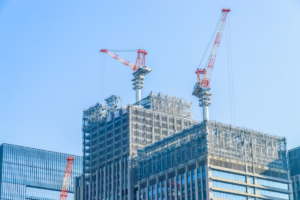
Construction
The construction industry is a key segment in infrastructure development across every nation, covering diverse applications such as flooring systems,...
Learn more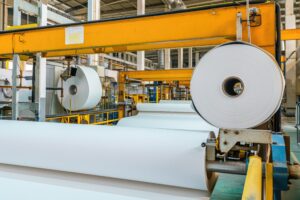
Pulp & Paper
Opportunities for growth. Our products and services include cost-effective to high-performance products for filling and coating and functional coatings, alongside...
Learn more
Polymer
The polymer industry is a cornerstone of modern manufacturing, covering a wide range of applications from plastics to rubber. It...
Learn more
Personal care & Home care
The Personal care & Home care industry is a fast-growing and dynamic sector, with increasing demand for safe, high-performance, and...
Learn moreWhy choose us!
To deliver effective thermal stabilization in PVC processing, lead stabilizers ensure consistent processing performance and product quality.
To help customers maximize value, TLD Vietnam delivers integrated solutions that enhance operational efficiency and cost performance. We offer competitive pricing tailored to production requirements, along with full-package supply to streamline sourcing through a consolidated material offering. Our technical team supports material customization and formula optimization to improve performance and cost efficiency, with on-site testing available when required. Backed by a responsive and flexible service approach, we adapt to evolving customer needs and support sustainable business growth.
2
FACTORIES
Total production capacity of 76,000 tons per year
300
+
GLOBAL CLIENTS
Trusted by hundreds of customers worldwide for reliable chemical solutions
Up to
30
%
COST REDUCTION
Our exclusive all-in-one chemical package helps customers reduce overall
production costs by 25-30%