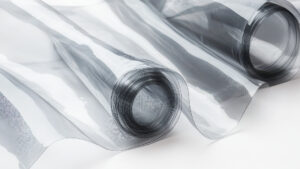


In the global packaging industry, material selection and processing technology directly influence product performance, cost structure, and supply chain efficiency. Among various solutions, Polyethylene Terephthalate blow molding (PET blow molding) has become a popular method for producing rigid plastic containers, particularly in the food, beverage, and personal care sectors. The process combines material characteristics of PET with advanced forming techniques to achieve a balance between strength, clarity, and production efficiency. Understanding how PET behaves during blow molding is essential for making informed technical and commercial decisions. This blog by TLD Vietnam gives an overview of PET blow molding.
What Is PET?
PET is a thermoplastic polymer from the polyester family. It is synthesized through a combination of two primary raw materials: ethylene glycol and terephthalic acid. PET’s molecular structure gives it impressive durability, high transparency, and excellent resistance to moisture.

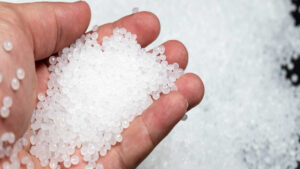
In plastic manufacturing, PET is widely used in both fiber and packaging applications. Within packaging, PET is typically processed in solid-state form as pellets, which are later converted into preforms and final containers through injection and blow molding processes.
A key characteristic of PET is semi-crystalline nature. Depending on processing conditions, it can exhibit either amorphous transparency or increased crystallinity for enhanced rigidity and thermal resistance.
Why PET Is Ideal For Blow Molding?
PET has several inherent properties that align well with blow molding requirements. First, the material offers a high strength-to-weight ratio, allowing manufacturers to reduce material consumption without compromising structural integrity. This is particularly relevant in industries where packaging weight directly affects logistics cost.
Second, PET provides excellent barrier performance against moisture and gases. This property is critical in preserving product quality, especially for carbonated beverages and sensitive food products. Another important factor is clarity. PET allows production of transparent containers, enabling product visibility, which remains a key requirement in many consumer-facing applications. From a processing perspective, PET responds well to biaxial stretching, a step that enhances mechanical properties during blow molding. This characteristic distinguishes PET from many other polymers used in similar processes.
Types Of PET Blow Molding Processes
Different blow molding technologies are used depending on product requirements, production scale, and equipment configuration. The two primary methods are Injection Stretch Blow Molding and Extrusion Blow Molding.
Injection Stretch Blow Molding (ISBM)
ISBM is the most widely used process for PET bottles. Production begins with the injection molding of preforms, followed by reheating and biaxial stretching during blowing. This method enhances strength, clarity, and barrier properties.
Extrusion Molding (EBM)
EBM is less common for PET but remains relevant in specific industrial applications. The process extrudes molten material into a parison before forming the final shape through air pressure.
Comparison Between ISBM and EBM
ISBM delivers superior transparency, uniform wall thickness, and mechanical strength, making it suitable for beverage packaging. EBM offers flexibility in design but often falls short in clarity and precision when working with PET.
Step-by-step PET Bottle Blow Molding Process
Understanding the production sequence helps in identifying potential quality issues and optimizing performance.
PET resin preparation and drying
PET is highly sensitive to moisture. Before processing, resin must be dried to a very low moisture level, typically below 0.005%. Excess moisture can lead to hydrolytic degradation during processing, reducing molecular weight and mechanical strength.
Drying is usually carried out using dehumidifying dryers with controlled temperature and airflow.
Injection of preforms
In the first stage, PET resin is melted and injected into molds to form preforms. These preforms resemble test tubes with threaded neck finishes.
Consistency at this stage is critical, as the preform quality directly affects final bottle performance. Parameters such as temperature, pressure, and cooling rate must be tightly controlled.
Reheating and stretching
Preforms are reheated to a temperature range suitable for stretching, typically between the glass transition and melting temperatures. They are then stretched longitudinally using a stretch rod and expanded radially using compressed air. This biaxial orientation significantly improves strength and barrier properties.
Blow molding into the final shape
Once stretched, high-pressure air is used to push the material against the mold walls, forming the final container shape. The mold design determines the geometry, wall thickness distribution, and surface finish. Cooling occurs rapidly within the mold to stabilize the structure.
Key Advantages Of PET Blow Molding
- Lightweight and durable packaging: PET bottles offer a strong structure while maintaining low weight, supporting cost-efficient transportation and handling.
- High clarity and transparency: The material provides excellent visual appeal, which is essential for beverage and food packaging.
- Cost efficiency in mass production: The process supports high-speed production with consistent quality, helping manufacturers optimize operational costs.
- Recyclability and sustainability: PET is fully recyclable and widely integrated into circular economy initiatives. Recycled PET (rPET) continues to gain traction across global markets.
Applications Of PET Blow Molding

- Beverage bottles: This is the largest application segment. PET is widely used for water, soft drinks, and other beverages due to strength and barrier performance.
- Food packaging: PET containers are used for sauces, edible oils, and ready-to-eat products. The material provides good chemical resistance and maintains product integrity.
- Personal care and cosmetics containers: Shampoos, lotions, and liquid soaps are commonly packaged in PET due to transparency and aesthetic appeal.
- Pharmaceutical packaging: PET is used in certain pharmaceutical applications, particularly for liquid formulations where clarity and chemical stability are required.
PET vs Other Materials In Blow Molding
PET vs HDPE
HDPE offers better chemical resistance and is less sensitive to moisture during processing. However, it lacks the clarity and stiffness of PET. HDPE is more suitable for opaque containers such as detergent bottles.
PET vs PP
PP provides higher temperature resistance but does not match PET in terms of transparency and gas barrier properties. PP is often used for caps and closures rather than bottles. PET is preferred when clarity, strength, and barrier performance are required. It is particularly suitable for food-grade and beverage applications where product visibility and shelf life are critical.
Challenges In PET Blow Molding
- Moisture sensitivity: Improper drying can lead to degradation, resulting in brittle products and reduced performance. This is one of the most critical control points in PET processing.
- Processing temperature control: PET has a narrow processing window. Temperature deviations can affect crystallinity, transparency, and mechanical properties.
- Material degradation risks: Repeated heating cycles or poor processing conditions can degrade the polymer, affecting viscosity and final product quality. This is especially relevant when using recycled material.
Future Trends In PET Blow Molding
- Sustainable and recycled PET (rPET): There is increasing demand for rPET in packaging applications. Regulatory pressure and sustainability goals are driving adoption. However, consistency in rPET quality remains a challenge and requires careful formulation and processing adjustments.
- Lightweight packaging innovations: Manufacturers continue to reduce bottle weight while maintaining performance. This requires optimization of the form design, material distribution, and processing parameters.
- Smart manufacturing and automation: Automation and digital monitoring systems are becoming more common in blow molding operations. These technologies improve process stability, reduce defects, and enhance overall efficiency.
Conclusion
From resin preparation to final product formation, each stage of PET blow molding requires careful control to ensure consistent performance and minimize defects. While PET offers advantages in clarity, strength, and recyclability, it also presents challenges related to moisture sensitivity and processing stability. In practical operations, achieving optimal results depends on aligning material selection with process conditions and end-use requirements. As sustainability pressures and efficiency demands increase, future developments in recycled materials, lightweight design, and automation will further shape how PET blow molding is used across industries.
As a global distributor of plastic resins, TLD Vietnam supplies a wide range of materials, including PP, PE, PET, PS, and PVC. With an extensive partner network and reliable logistics, we ensure consistent quality, on-time delivery, and stable supply even in volatile market conditions. Our commitment to high-quality products and professional customer support enables us to effectively meet diverse industry demands.
FAQs
1. Why is drying PET resin important?
PET is highly sensitive to moisture. Proper drying prevents material degradation and ensures consistent product quality.
2. Can recycled PET (rPET) be used in blow molding?
Yes, rPET is increasingly used in blow molding, but it requires careful processing control to maintain performance and consistency.
3. What factors most affect PET bottle quality?
Moisture control, processing temperature, and preform quality are the most critical factors.
4. Why do PET bottles sometimes become brittle?
This is usually caused by insufficient drying or material degradation during processing.