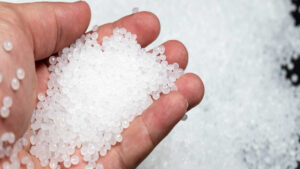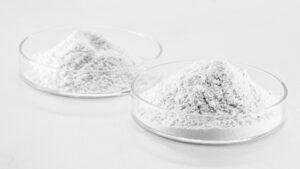

General Purpose Polystyrene (GPPS) is a transparent thermoplastic widely used in packaging, consumer goods, and laboratory products. With efficient processing performance, this thermoplastic is an important material in modern manufacturing. Explore this article by TLD Vietnam to learn more about the properties, advantages, applications, and processing methods of GPPS.
What Is GPSS?
GPSS is a transparent thermoplastic polymer produced through the polymerization of styrene monomers. The material belongs to the polystyrene family. GPPS is one of the most widely used forms of polystyrene in the manufacturing and packaging industries.

The polymer structure is characterized by a linear arrangement of styrene units, resulting in a rigid and brittle material with excellent optical transparency. The absence of rubber modification distinguishes this material from other variants, such as High Impact Polystyrene (HIPS), which incorporates rubber particles to improve impact resistance.
Industrial manufacturers frequently select GPPS for applications that require clarity, dimensional stability, and efficient processing performance. The material is commonly processed through injection molding, extrusion, and thermoforming, which enables large-scale production across multiple sectors.
Global demand for GPPS remains stable across industries such as packaging, consumer goods, electronics, and laboratory equipment. The balance between cost efficiency and functional performance allows this plastic material to remain a competitive material in modern polymer manufacturing.
Key Properties Of GPPS
Several characteristics of GPPS contribute to the material’s broad adoption in manufacturing environments.
High transparency
One of the defining features is high optical clarity. The polymer structure allows light to pass through with minimal scattering, producing a glass-like appearance.
Rigid Structure
This thermoplastic forms a rigid material with strong dimensional stability under normal conditions. Products manufactured from GPPS maintain shape and structure during handling and storage, which contributes to consistent product performance.
Ease of Processing
Processing efficiency is another major advantage. GPPS flows easily during molding and extrusion processes. Manufacturers benefit from relatively low processing temperatures and smooth mold release characteristics, which support efficient production cycles.
Good Surface Finish
Products manufactured from GPPS often have a smooth and glossy surface. This property enhances the aesthetic quality of finished components without requiring extensive post-processing.
Electrical Insulation
The polymer demonstrates good electrical insulating properties, allowing use in certain electronic and electrical components. This characteristic contributes to safe performance in low-voltage applications.
These properties collectively position this material as a practical solution for industries that require transparent and rigid plastic components.
Advantages Of Using GPSS
This polystyrene material has many advantages that facilitate efficient and large-scale manufacturing.
Cost efficiency
Compared with many engineering plastics, GPPS offers a favorable balance between performance and production cost. Raw material pricing and processing efficiency allow manufacturers to produce large volumes of components at competitive costs.
Excellent moldability
GPPS demonstrates strong flow characteristics during injection molding and extrusion. Complex shapes and detailed product designs can be achieved with minimal difficulty. The material fills molds efficiently and maintains consistent dimensional accuracy.
Lightweight structure
Plastic products often replace heavier materials such as glass or metal in specific applications. GPPS provides a lightweight alternative while maintaining structural rigidity. Reduced weight contributes to easier transportation and handling in supply chains.
Visual appeal
Transparency and glossy surface finish enhance the visual appearance of finished products. Packaging manufacturers often rely on GPPS when product visibility is required. Display items and decorative components also benefit from this feature.
Wide processing compatibility
This transparent plastic supports multiple manufacturing techniques, including injection molding, extrusion, and thermoforming. This flexibility allows manufacturers to adapt production lines according to product requirements and production volumes.
Limitations Of GPSS
Despite the benefits, several limitations must be considered when selecting materials for specific applications. Understanding these constraints helps manufacturers determine appropriate use cases.
Brittleness
This plastic material has relatively low impact resistance compared with modified polymers. Sudden mechanical stress may lead to cracking or fracture. Applications that involve repeated impact or mechanical stress often require alternative materials or modified polystyrene variants.
Limited heat resistance
The heat distortion temperature of GPPS remains relatively low. Exposure to elevated temperatures may cause deformation or structural changes. For applications involving high thermal conditions, engineering plastics such as polycarbonate or polypropylene may offer better performance.
Chemical sensitivity
Certain organic solvents and chemicals may affect the structure. Exposure to aggressive substances may lead to surface damage or material degradation. Manufacturers typically evaluate chemical compatibility before selecting materials for industrial environments.
Environmental considerations
Like many petroleum-based plastics, GPPS contributes to environmental concerns when waste management systems are inadequate. Recycling infrastructure exists for polystyrene materials, though collection and processing rates vary by region.
Recognition of these limitations enables manufacturers to select the one where performance conditions align with the material’s characteristics.
Common Applications Of GPSS
GPPS appears in a wide range of products across several industrial sectors. Transparency, rigidity, and processing efficiency make the material suitable for both consumer and industrial uses.
Food packaging

Clear food containers, disposable cups, lids, and trays frequently incorporate GPPS. The material provides product visibility and maintains structural integrity during transportation and storage.
Household products

Numerous everyday items rely on GPPS components. Examples include cosmetic containers, stationery products, storage boxes, and decorative items. Surface gloss and transparency contribute to product appearance.
Laboratory equipment

Laboratory environments often require transparent plastic equipment. Petri dishes, test tubes, and sample containers commonly use GPPS for single-use applications where clarity and precision are essential.
Electronic components

GPPS may appear in electronic housings and insulation parts where structural rigidity and electrical insulation are required. Applications typically involve low-stress components within larger electronic systems.
GPPS vs HIPS
Comparison between GPPS and HIPS helps manufacturers determine the most suitable material for specific product requirements.
Material structure
This thermoplastic consists of pure polystyrene polymer chains. HIPS contains rubber particles distributed within the polymer matrix. The rubber phase significantly improves impact resistance.
Transparency
This plastic material maintains high optical clarity. HIPS appears opaque or matte because rubber particles scatter light.
Impact strength
HIPS demonstrates much higher resistance to mechanical shock and stress. GPPS is more brittle under similar conditions.
Applications
This polystyrene material frequently appears in transparent products such as packaging and laboratory containers. HIPS is often selected for appliance housings, refrigerator liners, and products that require stronger mechanical performance.
Manufacturers often evaluate the balance between transparency and impact resistance when choosing between these two materials.
Processing Methods For GPPS
Several manufacturing techniques support the processing. Production methods depend on product design, volume requirements, and desired performance characteristics.
Injection Molding
Injection molding is one of the most common processing methods. The molten polymer flows into molds that form precise shapes and fine surface details. Consumer goods and packaging components frequently rely on this process.
Extrusion
Extrusion allows continuous production of sheets, films, and profiles. Packaging manufacturers often convert extruded sheets into thermoformed containers and trays.
Thermoforming
Thermoforming involves heating GPPS sheets and shaping them using molds or vacuum pressure. This method supports high-volume production of disposable packaging products.
Blending and Compounding
In certain applications, this thermoplastic may be blended with additives or colorants to modify performance or appearance. Compounding processes allow manufacturers to tailor the material to meet specific requirements. These processing methods enable efficient production across diverse industries.
Conclusion
GPPS is an important thermoplastic material within modern manufacturing. Transparency, rigidity, and efficient processing characteristics support applications ranging from packaging and laboratory equipment to consumer products and display materials.
Understanding the properties, advantages, and processing characteristics allows manufacturers to determine appropriate use cases and integrate the material effectively into industrial production systems.
FAQs
1. Is general-purpose polystyrene safe for food contact?
Yes. GPPS is FDA compliant for food contact applications. It’s odorless, tasteless, and chemically inert to most food substances, which is why you’ll find it in everything from disposable cups to food containers. Just make sure you’re using food-grade GPPS from reputable suppliers.
2. Can GPPS be recycled?
It can be recycled, though infrastructure varies by location. The recycling symbol for polystyrene is #6. The simpler chemical structure makes it easier to recycle compared to some other plastics. Check with your local recycling program for specific guidelines.
3. What temperature can it withstand?
Typically starts to deform around 100°C (212°F), which limits its use in high-temperature applications. It’s best suited for cold or room-temperature products. If you need heat resistance, consider other materials like PP or modified polystyrene grades.
4. Why is GPPS so popular in packaging?
Three main reasons: transparency lets customers see the product, low cost keeps packaging expenses down, and easy processing means manufacturers can produce it quickly and efficiently.