In the plastics and packaging industry, PP raffia has become one of the most widely used materials for producing durable woven products. Understanding the properties, production process, and applications of PP raffia is essential for manufacturers and businesses seeking reliable packaging and other industrial solutions. In this article, TLD Vietnam explores the key characteristics of PP raffia and how it is used across various industries.

What Is PP Raffia?
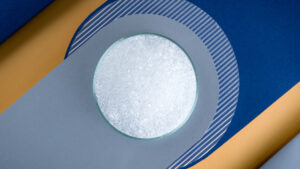
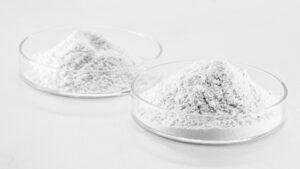
PP raffia is made from polypropylene, a type of thermoplastic polymer derived primarily from petroleum. This material is favored for its balance of strength, flexibility, and lightweight nature. Polypropylene is polymerized into long chains, which are then processed into raffia fibers. Sometimes, additives such as UV stabilizers, antioxidants, and colorants are mixed in to enhance performance and durability, especially for outdoor applications.
Key Properties Of PP Raffia Material
Durable
PP raffia is renowned for its impressive durability and high tensile strength. Thanks to its polypropylene base, it withstands heavy loads and resists tearing better than many other packaging materials. This strength makes it ideal for bags, sacks, and ropes that must endure rough handling. For example, woven PP raffia bags can carry large quantities of grains or construction materials without breaking. The material’s robust fiber structure ensures long-lasting performance, even under stress.
Lightweight and low-density benefits
One standout property of PP raffia is its lightweight nature. Polypropylene has a low density compared to metals or natural fibers, making products easier to handle and transport. This advantage reduces shipping costs and simplifies logistics in industries like agriculture and construction. Despite being light, PP raffia maintains excellent strength, providing an efficient balance between weight and durability.
Resistance to weather, chemicals, and UV Exposure
PP raffia resists moisture, many chemicals, and UV radiation, which extends its usability outdoors. It does not absorb water, preventing mold and rot, unlike natural fibers. This resistance also protects it from degradation caused by sunlight and harsh weather. When UV stabilizers are added during production, PP raffia’s lifespan outdoors can increase from 1-2 years up to 3-5 years, making it suitable for tarps, agricultural films, and geotextiles.
Detailed PP Raffia Production Process
The PP raffia manufacturing process involves several stages:
Step 1. Feeding the pellets
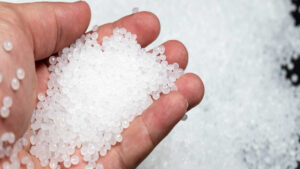
The polypropylene pellets are first fed into the extruder hopper to prepare for the extrusion process. The extruder’s temperature is set from 200°C to 250°C, depending on the polypropylene type.
Step 2. Extrusion
This process includes molding polypropylene into filaments through a spinneret, cooling, and solidifying them into long fibers. The molecules are then aligned by drawing or stretching the fibers, increasing their length, flexibility, and strength. This step prepares the fibers for the next stage, where they are woven or braided into final products.
Step 3. Twisting and texturizing
The raffia-like structure is formed by twisting and texturizing individual polypropylene strands to improve strength, flexibility, and handling ease. Depending on the needs of the application, drawing (stretching) can also be used to increase strength and modify the thickness of the fibers.
Step 4. Winding
The twisted fibers are wound into large spools. It’s the preparation step for braiding or weaving the fibers into a variety of designs.
Step 5. Weaving or braiding
Weaving PP raffia is a step in creating a fabric-like material. The interlacing of the strands forms a sturdy, tight fabric. Or, the fibers may be braided into a more flexible, tightly wrapped shape for uses like ropes or twines, which increases the material’s strength and durability.
Step 6. Finishing
The material will then be coated to enhance features such as durability and water resistance. Coloring and UV stabilizers are also used to achieve the desired requirements.
Main Applications Of PP Raffia In Industry
Packaging Solutions: Bags and Sacks

PP raffia is widely used in packaging, especially for manufacturing woven bags and sacks. These bags are lightweight yet strong, making them perfect for carrying heavy loads such as grains, rice, seeds, fertilizers, and cement. Their durability ensures protection against tearing and moisture, which is essential for safe storage and transport. Because of its cost-effectiveness and resilience, many industries prefer polypropylene raffia bags over alternatives like paper or jute. The flexibility of PP raffia allows bags to be produced in various sizes and thicknesses, catering to different packaging needs.
Agricultural Uses: Bale Wraps, Mulch Films, and Nets

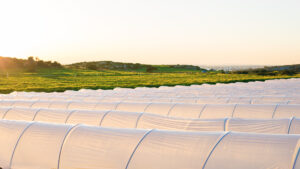
In agriculture, PP raffia serves multiple purposes. It is commonly used to produce bale wraps, which protect hay and straw bales from weather damage. Mulch films made from PP raffia help retain soil moisture, suppress weed growth, and regulate soil temperature, boosting crop yields. Additionally, polypropylene raffia nets and shade cloths protect plants from pests and excessive sunlight. These applications benefit from the material’s resistance to UV radiation and moisture, ensuring long-lasting performance in harsh outdoor environments.
Construction Industry: Geotextiles and Protective Covers

The construction sector uses PP raffia in geotextiles, which stabilize soil, improve drainage, and control erosion. These woven fabrics reinforce foundations and embankments, enhancing structural integrity. Protective covers made from PP raffia shield building materials and equipment from dust, rain, and UV damage. Its lightweight nature makes handling and installation easier on construction sites. The material’s chemical resistance also ensures durability when exposed to various construction chemicals.
Advantages Of PP Raffia In Woven Packaging
PP raffia offers several advantages that make it a preferred material for woven packaging solutions. One of its most significant benefits is high strength combined with low weight, allowing manufacturers to produce packaging that can carry heavy loads while remaining easy to handle and transport. This balance improves efficiency in logistics and reduces shipping costs.
Another advantage is its excellent resistance to moisture and environmental conditions. Unlike paper packaging, PP raffia does not absorb water, which helps protect products such as grains, fertilizers, and cement during storage and transportation. This property is particularly important in humid climates or outdoor environments where packaging materials are exposed to varying weather conditions.
PP raffia is also valued for its cost-effectiveness and recyclability. Compared with many alternative materials, it offers long service life and lower production costs. In addition, products made from Polypropylene can often be recycled, supporting more sustainable packaging practices in modern manufacturing industries.
Furthermore, the material provides high flexibility in product design. Woven PP raffia can be laminated, coated, printed, or combined with other materials to enhance barrier properties and improve branding. This versatility allows manufacturers to tailor packaging solutions for specific industrial requirements.
PP Raffia vs Other PP Grades
Polypropylene is available in several grades, each designed for different processing methods and applications. PP raffia is specifically optimized for fiber and woven applications, while other grades serve different manufacturing processes.
PP Raffia is primarily used for producing tape yarns that are woven into fabrics for bags, sacks, ropes, and geotextiles. It typically features high tensile strength, good drawability, and excellent orientation properties, which are essential for fiber production.
PP Injection grades are designed for injection molding processes. These materials usually have higher melt flow rates, allowing them to fill complex molds efficiently. Injection PP is commonly used for household goods, containers, automotive components, and consumer products.
PP Fiber grades are used for producing finer textile fibers through spinning processes. These fibers are often used in nonwoven fabrics, carpets, and hygiene products.
PP Film grades are optimized for film extrusion applications such as packaging films, food containers, and laminated materials.
The key difference lies in processing characteristics and mechanical performance requirements. PP raffia offers the strength and orientation needed for woven structures, while other polypropylene grades focus on moldability, film clarity, or fine fiber production.
Choosing The Right PP Raffia Grade For Production
Selecting the right PP raffia grade is essential to achieve optimal product performance and processing efficiency. Several factors should be considered when choosing the material.
One important factor is the melt flow rate (MFR) of the polypropylene. The appropriate MFR ensures smooth extrusion and proper fiber formation during the tape production process. Grades with suitable flow characteristics help maintain stable production and consistent product quality.
Another consideration is tensile strength and drawability. High drawability allows fibers to be stretched effectively during processing, improving their mechanical strength. This property is particularly important for woven bags and industrial fabrics that must carry heavy loads.
Manufacturers should also consider additive requirements. Depending on the application, additives such as UV stabilizers, antioxidants, and colorants may be necessary to enhance durability and performance. For outdoor products, UV stabilization is especially important to extend the product’s lifespan.
Finally, working with reliable suppliers ensures consistent material quality and technical support. High-quality PP raffia materials help manufacturers produce strong, durable woven products while maintaining efficient and stable production processes.
Conclusion
PP raffia remains a crucial material in modern packaging and industrial applications due to its durability, lightweight structure, and cost efficiency. From woven bags to agricultural and construction materials, its versatility continues to support a wide range of industries.
As a global distributor of plastic resins, TLD Vietnam offers a wide range of plastic resins from reputable global suppliers, such as PP, PS, PE, PET, and PVC. With reliable logistics services and dedicated customer support, TLD Vietnam helps businesses find the most suitable material solutions for their production needs. Contact our team to learn more about our polymer solutions.