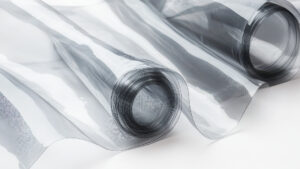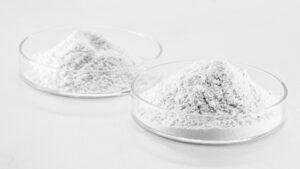

High-Density Polyethylene (HDPE) – one of the most widely used thermoplastics. From consumer products to industrial components, HDPE is an ideal material for injection molding. In this guide, TLD Vietnam takes you through the essentials of HDPE injection molding, including its step-by-step process, material properties, and design considerations to help you better understand how to manufacture custom plastic parts using HDPE efficiently and effectively.

What Is HDPE And Key Properties
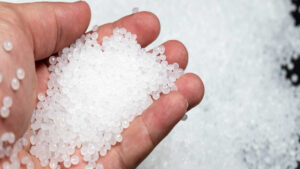
HDPE is a type of thermoplastic made from the polymerization of ethylene. With its dense molecular structure, HDPE has excellent strength and durability. HDPE typically comes in pellet form and can be processed into many different products through manufacturing processes such as injection molding.
- High strength: HDPE has superior tensile and impact strength, making it an ideal choice for products that require durability.
- Chemical resistance: HDPE is resistant to many types of chemicals, including acids, alkalis, and solvents, helping to protect products from corrosion.
- Heat resistance: HDPE can tolerate short-term exposure to temperatures up to around 120°C, but continuous service temperatures are typically lower; it should not be exposed to extreme temperatures for prolonged periods.
- Waterproof: HDPE is a waterproof material, making it very suitable for outdoor applications and in humid environments.
- Lightweight: With its low weight, HDPE is easy to transport and install, reducing shipping costs.
Comparison with other plastics
| Property | HDPE | PP | ABS | LDPE |
| Density | High | Medium | High | Low |
| Rigidity | Strong | Moderate | Strong | Flexible |
| Chemical Resistance | Excellent | Good | Moderate | Excellent |
| Impact Resistance | High | Moderate | High | High |
| Flexibility | Moderate | Moderate | Low | High |
| Water Absorption | Very Low | Low | Moderate | Very Low |
Compared to PP and ABS, HDPE offers a more robust balance between flexibility, impact strength, and chemical resistance, all of which are critical in long-lasting molded parts.
Why HDPE Is Ideal For Injection Molding?
HDPE is widely used in injection molding because its thermal and processing characteristics allow manufacturers to produce durable plastic components efficiently and at scale.
One of the key advantages of HDPE is its excellent melt flow behavior. When heated, HDPE melts and flows smoothly under injection pressure, enabling the material to fill mold cavities effectively, even for complex shapes or thin-walled parts.
Another important benefit is fast cooling and solidification. After the molten material is injected into the mold, HDPE cools relatively quickly compared to many other thermoplastics. Faster cooling helps shorten cycle times, allowing manufacturers to increase production efficiency and reduce manufacturing costs.
HDPE also offers low friction and good surface properties, which allow molded components to move smoothly when used in mechanical assemblies. This property is particularly valuable for parts such as caps, closures, and industrial components that require repeated movement or contact with other surfaces.
In addition, HDPE maintains excellent impact resistance even at low temperatures. Components made from HDPE can withstand mechanical stress and environmental exposure without easily cracking or losing structural integrity.
The HDPE Injection Molding Process
The HDPE injection molding process involves transforming raw HDPE pellets into precise and durable custom plastic parts using high-temperature, high-pressure machinery.

Here’s a step-by-step breakdown.
Step 1: Material Preparation
HDPE resin typically arrives in the form of small, uniform pellets. Before molding, the material is dried if necessary. HDPE is generally non-hygroscopic, meaning it does not readily absorb moisture from the air. Therefore, drying is typically not required before injection molding unless the resin has been exposed to excessive humidity.
Specific additives or colorants may be blended to meet functional or aesthetic needs.
Step 2: Melting and Injection
The HDPE pellets are fed into the injection molding machine’s barrel, where they are heated to a temperature typically between 180°C and 230°C, depending on grade and processing conditions.
A rotating screw pushes the melted HDPE forward into the mold cavity under high pressure, typically ranging from 700 to 1200 bar.
Because HDPE has good flowability and low shrinkage, it fills mold cavities effectively, even for complex or thin-walled designs. These traits are especially valuable when producing detailed custom plastic parts.
Step 3: Cooling and Solidification
Once the molten HDPE fills the mold cavity, it rapidly begins to cool and solidify. The cooling time depends on the part’s thickness and geometry, but HDPE generally cools faster than higher-density or crystalline plastics.
Proper mold temperature control is crucial at this stage to avoid warping or shrinkage and to ensure dimensional stability.
Step 4: Ejection and Finishing
After the part has cooled, ejector pins push it out of the mold cavity. The part may require minor post-processing such as gate trimming, flash removal, or surface finishing, depending on the design.
For tight-tolerance components, a precision HDPE mold manufacturer will ensure that the mold is optimized to minimize finishing work while maintaining quality.
Step 5: Quality Control and Inspection
Once ejected, the part is subject to dimensional inspection and visual checks. For critical components, advanced tools such as CMM (Coordinate Measuring Machines) are used to verify tolerances.
This streamlined yet detailed process allows for fast cycle times, low scrap rates, and consistent results, making HDPE injection molding one of the most efficient ways to produce strong, lightweight, and cost-effective custom plastic parts.
Design Considerations For HDPE Injection Molding
Effective mold design is fundamental to achieving high-quality HDPE molded parts. Precise tooling, including the correct gate placement, wall thickness, and cooling channel design, ensures uniform material distribution and cooling.
Gate placement and design
Poor gate placement can cause flow imbalances, leading to uneven packing and internal stresses in the part. Optimizing the number and placement of gates ensures uniform material distribution and reduces residual stress. For example, a multi-point gate design can enhance flow and ensure that the part is evenly packed, mitigating HDPE molding issues.
Wall thickness
Uniform wall thickness is essential to ensure consistent cooling and reduce the risk of shrinkage or warping. For most HDPE parts, a typical wall thickness ranges between 1.5 mm and 4 mm, depending on the application.
Draft angles
Draft angles allow molded parts to be easily ejected from the mold. For HDPE components, a draft angle of 1°-2° per side is generally recommended to prevent surface damage and reduce ejection force.
Shrinkage rate
HDPE has a relatively high shrinkage rate compared to many other thermoplastics, typically ranging from 1.5% to 3%. Mold design must account for this shrinkage to ensure dimensional accuracy.
Rib and boss design
Ribs can improve structural strength without increasing overall wall thickness. However, rib thickness should typically be 50-60% of the main wall thickness to avoid sink marks.
Common Applications Of HDPE Injection Molding

- Packaging: This material class and processing method are commonly used in the production of containers, bottles, and caps for food, beverages, household products, and personal care items due to its excellent barrier properties and durability. The majority of these applications use injection blow molding (IBM), in which an injection molded preform is then blow molded to form the finished container.
- Automotive: HDPE parts are used in automotive components for fuel tanks, bumpers, and interior trim due to their lightweight nature, impact resistance, and ability to withstand harsh environmental conditions.
- Construction: HDPE injection molded products find applications in the construction industry for items like pipe fittings and geomembranes due to their chemical resistance, flexibility, water resistance, and longevity.
- Medical: HDPE is widely used in medical devices and equipment, including syringe plungers (less commonly barrels), IBM-made IV bags and medical packaging, owing to its bio-inertness, sterilizability, and imperviousness.
Advantages Of HDPE Injection Molding In Manufacturing
- Flexibility: The injection molding process allows for the production of products with complex shapes and diverse sizes, easily meeting market demands.
- Cost savings: Mass production helps reduce manufacturing costs and save materials, providing economic benefits to businesses.
- Fast production time: The injection molding process is quick, helping to increase production efficiency and reduce waiting times.
- Consistent products: Products are produced uniformly and accurately, ensuring high quality and compliance with international standards.
Limitations Of HDPE Injection Molding For Certain Applications
- High initial investment: The machinery and molds for HDPE injection molding can require significant initial investment, which can increase barriers to entry for small businesses.
- Recycling challenges: Although HDPE can be recycled, the process can be difficult due to the physical properties of the plastic, requiring advanced recycling technology.
- Temperature limitations: HDPE can deform when exposed to excessively high temperatures for extended periods, which needs to be considered in product design.
Injection Molding Troubleshooting
Common problems encountered during HDPE injection molding, such as shrinkage, warping, and voids, can be addressed through practical solutions and preventive measures in part design and adjustment of molding parameters.
To mitigate shrinkage, optimize gate design and location to ensure uniform filling and cooling, while adjusting melt and mold temperatures to minimize thermal differentials.
To prevent warping, incorporate adequate draft angles and filets to facilitate easy ejection, and use a well-balanced mold design to distribute cooling evenly.
Additionally, consider annealing or stress-relieving processes post-molding to reduce internal stresses, which can prevent slow post-molding distortions.
Void formation can be minimized by maintaining proper melt temperature and pressure, using high-quality and appropriately dried resin with minimal moisture content, and optimizing venting to allow air and gases to escape.
Regular maintenance and cleaning of molds, as well as monitoring process parameters closely during production, are essential preventive measures.
By implementing these solutions and measures, manufacturers can improve the quality and consistency of HDPE injection molding.
Future Trends In HDPE Injection Molding
Conclusion
HDPE injection molding is an efficient production process with many outstanding advantages. Understanding the characteristics, processes, and applications of HDPE will help businesses optimize production and develop sustainably in the future.
HDPE injection molding remains at the forefront of mass production and continues to evolve, driven by ongoing research and development efforts. These seek to address current limitations and unlock new potential for the materials use in a greater diversity of sectors and increasingly precise and demanding contexts.