
Injection molding processes remain among the most influential manufacturing methods in modern plastics engineering. Despite decades of industrial evolution, these processes continue to serve as the backbone of mass production for plastic components across medical, automotive, construction, consumer goods, and industrial applications.
From a materials engineering perspective, injection molding processes are best understood not only through machine capabilities or mold design, but through the way polymers respond to heat, pressure, shear, and cooling under real production conditions. Subtle differences in material behavior during processing often determine whether a process is stable, repeatable, and economically viable at scale.
This article is part of TLD Vietnam’s technical knowledge series. If you are involved in product development, material sourcing, or process optimization, we invite you to explore our blog for expert insights into injection molding from a resin and application perspective.

What Are Injection Molding Processes?
Injection molding is are manufacturing method used to produce plastic parts by injecting molten polymer into a closed mold cavity, where the material cools and solidifies into a defined shape. Their primary advantage lies in the ability to produce large volumes of identical components with high repeatability and controlled quality.
From a materials standpoint, injection molding processes are not simply shaping operations. They represent a controlled transformation of polymer pellets into functional components, governed by thermal behavior, flow characteristics, and shrinkage mechanisms.
Core Components Of Injection Molding Processes
At their most fundamental level, injection molding relies on three interconnected elements:
- A mold, which defines geometry, surface finish, and dimensional accuracy
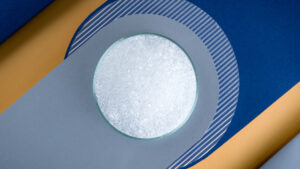
- Plastic resin, typically in pellet form, is selected based on performance and processing behavior
- An injection molding machine, which provides the heat, pressure, and clamping force required to execute injection molding consistently
The quality of molded parts is determined by how effectively these elements interact throughout the injection molding process cycle.
Injection Molding Machines And Their Role In Injection Molding Processes
Injection molding machines are designed to support injection molding processes by delivering sufficient clamping force and precise melt control. Machine selection influences cycle stability, resin residence time, and overall process consistency.
Machine scale and application context
Injection molding can be executed on machines ranging from:
- Small-tonnage systems for precision and medical components
- Medium-scale machines for consumer and industrial products
- Large-tonnage machines for automotive and structural applications
From the perspective of a resin distributor, machine scale directly affects how materials perform within injection molding processes, especially in terms of shear exposure and cooling behavior.
The Injection Molding Process Cycle
Although injection molding may complete a single cycle in seconds, each cycle consists of multiple stages that must operate in balance to ensure part quality.
Material Feeding and Plasticization
In this process, plastic pellets enter the barrel through a hopper and are conveyed forward by a rotating screw. As the material advances:
- Mechanical shear and external heating raise the temperature
- Pellets transition into a homogeneous polymer melt
Consistent melting is essential for stable injection molding processes, as incomplete plasticization often leads to flow defects or surface irregularities.
Clamping and Mold Closure
Before injection begins, the mold must be securely closed. In the processes, the clamping unit applies sufficient force to counteract internal cavity pressure during filling and packing.
Poor clamping control can compromise injection molding processes by causing flash, dimensional variation, or mold damage.
Injection and Cavity Filling
During the injection phase, molten polymer is forced into the mold cavity under controlled pressure and speed. Successful processes depend on:
- Uniform cavity filling
- Stable flow front progression
- Controlled pressure build-up
From a material perspective, polymer flow behavior during this stage strongly influences surface quality and internal structure.
Packing and Holding Phase
Once the cavity is filled, injection molding processes transition into the packing or holding phase. Additional pressure compensates for volumetric shrinkage as the polymer cools.
This phase is critical for maintaining dimensional accuracy and minimizing internal voids, particularly in applications requiring tight tolerances.
Cooling and Solidification
Cooling is typically the longest stage in injection molding processes. During this period, the molten polymer solidifies and gains sufficient rigidity for ejection.
Uneven cooling within injection molding may result in warpage or residual stress, highlighting the importance of balanced mold design and material selection.
Mold Opening and Ejection
After cooling, the mold opens, and the part is ejected. Controlled ejection is necessary because polymers shrink as they cool and tend to adhere to mold surfaces.
Injection Molding Machine Architecture Supporting Injection Molding Processes

Injection molding processes rely on two primary machine systems: the clamping unit and the injection unit.
Clamping Unit
The clamping unit supports injection molding processes by:
- Opening and closing the mold
- Holding the mold closed during injection and packing
- Enabling part ejection
Toggle and hydraulic clamping systems are commonly used, with selection depending on cycle speed, mold size, and process control requirements.
Injection Unit
The injection unit melts and delivers polymer melt into the mold cavity. Stable processes require consistent melt temperature and controlled screw movement to avoid variability between cycles.
Materials Used In Injection Molding Processes

Material selection is a foundational consideration in injection molding processes, influencing part performance, cycle stability, and long-term reliability.
ABS
ABS is commonly used in injection molding processes due to its balance of toughness, processability, and surface finish quality.
Polycarbonate
Polycarbonate is valued in injection molding processes where transparency, impact resistance, and dimensional stability are required.
Polyethylene
Polyethylene dominates global injection molding processes by volume. Its various density grades offer flexibility in stiffness, toughness, and chemical resistance.
Polypropylene
Polypropylene plays a major role in injection molding processes due to its chemical resistance, fatigue endurance, and shape retention after repeated flexing.
Injection Molding Processes In Context: Comparison With Other Molding Methods
Various injection molding techniques are widely used across multiple industries, particularly in sectors where manufacturing is a core activity. Below are the primary types of molding processes commonly applied in industrial production.
Injection Molding
Injection molding is a manufacturing process in which molten material is injected into a mold cavity to form finished products. A wide range of materials can be processed using this method, including thermoplastics, metals, glass, elastomers, and certain food-grade materials.
This process is extensively applied in the medical sector, where medical device injection molding is used to produce items such as syringes, pill containers, and other healthcare components.
When manufacturing medical products, maintaining a controlled and hygienic environment is essential. Production areas must be free from contaminants such as bacteria and airborne particles. Cleanroom injection molding enables the production of complex plastic components under strictly controlled conditions, minimizing contamination risks and ensuring product safety.
Extrusion Molding
Extrusion is a continuous manufacturing process used to produce products such as fibers, hoses, pipes, and straws. In this process, plastic granules are melted and forced through a die to create a continuous profile.
The shape of the die determines the cross-sectional geometry of the extruded product. Once cooled, the material solidifies and retains its final form.
Blow Molding
Blow molding is a forming technique used to manufacture hollow plastic products. Similar to other molding processes, heated molten material is introduced into a mold cavity under controlled conditions.
What distinguishes blow molding is its reliance on air pressure to expand the softened material against the mold walls, a principle derived from traditional glassblowing methods. This technique is commonly used for producing containers such as bottles and hollow packaging.
Compression Molding
In compression molding, a measured amount of material is placed into an open, heated mold cavity. The mold is then closed, and the material is compressed using high-pressure hydraulic presses.
This process ensures the material flows evenly throughout the mold, fully filling the cavity and producing components with consistent shape and structural integrity.
Rotational Molding
Rotational molding, or rotomolding, is a plastics processing technique well-suited for producing hollow components. Although classified as a molding process, it differs from conventional methods by not using pressure.
Because rotomolding molds do not need to withstand high pressure, tooling costs are relatively low. This makes the process suitable for short production runs and cost-effective manufacturing of large hollow products.
A reliable plastic molding company should be capable of offering multiple molding technologies. Based on customer requirements, such companies must be able to manufacture standardized, safe-to-use plastic components using the most appropriate processing methods.
Conclusion
Injection molding processes remain one of the most reliable and scalable manufacturing approaches for plastic components. Their continued relevance across industries reflects their adaptability and compatibility with a wide range of polymer materials.